
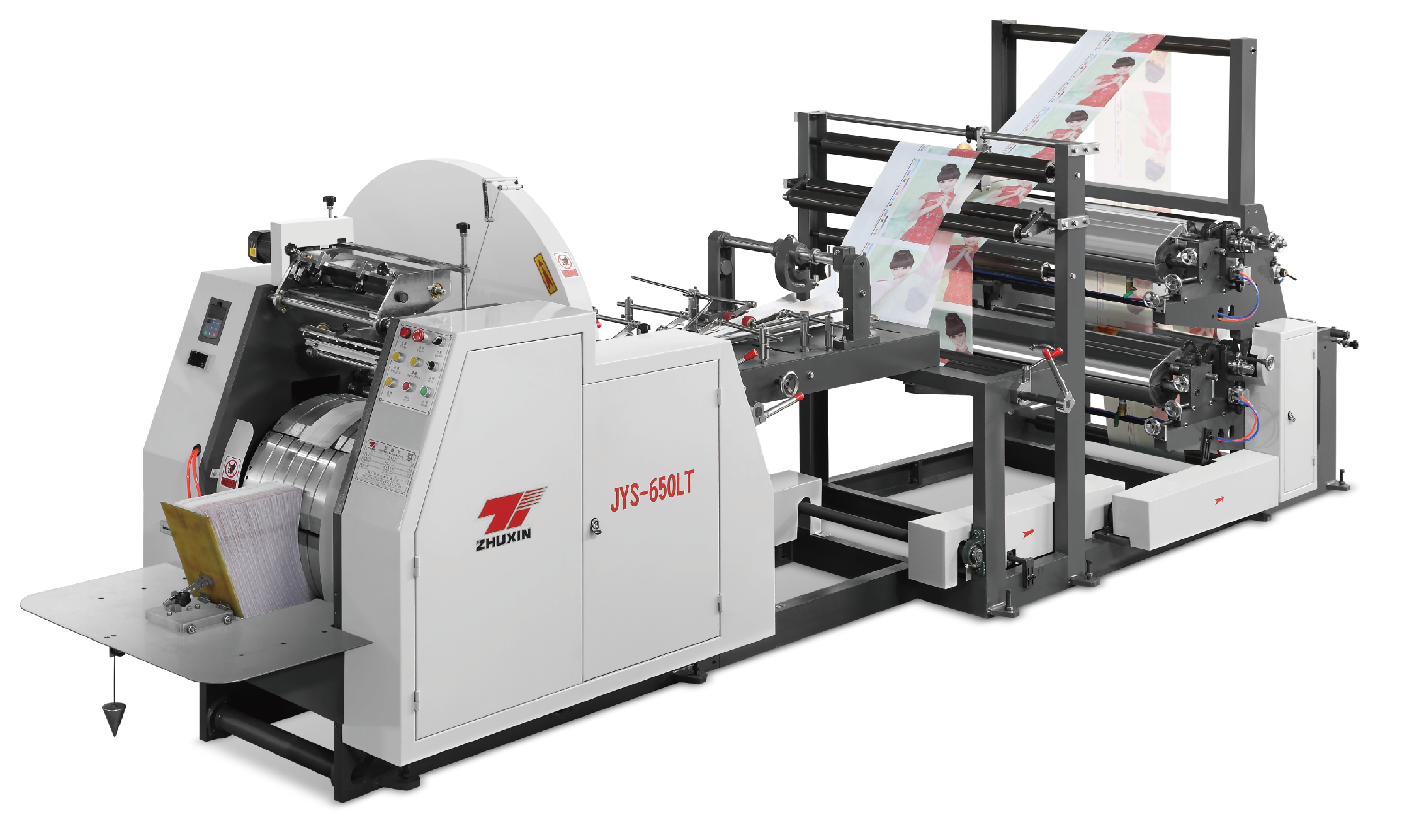
Paper Bag Making Machine Efficiency Boosted by Advanced PLC Automation
Paper bag making machine Advanced PLC (Programmable Logic Controller) and automation systems form the technological foundation of modern paper bag making machines, significantly enhancing precision, operational stability and resource efficiency. By replacing manual processes with intelligent control, these systems ensure reliable output while reducing errors, waste and material loss.
Role of PLC control system in ensuring precision and consistency
PLC control systems function like the brain behind automated paper bag manufacturing, running through programmed instructions with near perfect timing to keep dimensions within strict limits. Traditional relay systems just cant match this reliability. With PLCs, each bag comes out exactly the same size and shape because there's no room for human mistakes or inconsistencies in the process. The difference matters most during critical steps like applying glue, getting those folds right, and sealing the bottom properly. A small mistake here might mean wasted materials or bags that don't hold up well enough for customers. Manufacturers have seen real improvements since switching to these digital control systems.
Servo motor control system enabling precise adjustment of machine components
Servo motor systems basically take those digital signals coming from the PLC and turn them into super precise mechanical motions. They let operators make tiny adjustments on things like feed rollers, cutting blades, and all sorts of folding parts during operation. What makes these systems really work well is their closed loop feedback system which keeps checking both position and speed constantly. When there are issues from heat expanding materials or when the stuff being processed isn't perfectly uniform, the system just fixes itself automatically. Because of this feature, manufacturers can run productions for days straight without losing that initial level of accuracy. Plus, switching between different kinds of paper stock or changing bag designs becomes much easier since the servo motors adapt so quickly while still keeping everything within tight tolerances.
Touch screen interface for real-time monitoring and simplified operation
Touch screen HMIs these days make operating machines much easier thanks to their user friendly menus and live displays showing important stuff like how fast things are moving along the line, how many products have been made, and when something goes wrong. Workers don't need to dig through manuals anymore because they can just look at the screen and spot problems almost instantly. The system comes loaded with saved production settings that let factories switch from one type of bag to another in no time flat. This cuts down on the time wasted during setup and means regular staff members can handle changes without needing special training or help from engineers all the time.
Automatic fault detection reducing downtime and maintenance costs
Smart diagnostic systems keep checking for problems by looking at things like vibrations, temperatures changes, and how much power different components are using. These systems can spot when parts start wearing out or acting funny long before anything actually breaks down. Maintenance crews get warnings so they can fix small issues before machines suddenly stop working, which saves everyone from expensive delays. Some research shows factories might be losing around $260k every year just from equipment failures nobody saw coming. With automated monitoring, companies know exactly where problems will happen next. This means fewer spare parts sitting around unused, better scheduling for repairs, and overall smarter maintenance strategies across the board.
Productivity Gains and Operational Performance of Paper Bag Making Machines
Modern automation delivers substantial productivity improvements through high-speed, stable operation and data-driven optimization, enabling manufacturers to scale output without compromising quality.
Impact of High-Performance Operation with Stability on Output Rates
Stable high-speed operation directly increases throughput and reduces interruptions. Where manual methods produce only a few hundred bags per day, automated machines generate 100 to over 1,000 bags per minute. This sustained performance allows manufacturers to meet tight deadlines while maintaining structural integrity and finish quality across all units.
Data-Driven Productivity: Reducing Cycle Time by Up to 30% Through Automation
Real-time data analytics optimize each stage of the bag-making process—cutting, folding, and gluing—reducing cycle times by up to 30%, according to industry studies. Precision timing and synchronization minimize idle phases between operations, boosting overall equipment effectiveness and lowering per-unit production costs.
Case Study: Automated Line Boosting Hourly Output
A leading manufacturer reported a 40% increase in hourly output after integrating a fully automated line, alongside a 15% reduction in material waste. These gains stemmed from tighter process control and reduced misfeeds and jams. The combined effect improved both profitability and responsiveness to customer demand.
Technical Specifications and Material Compatibility by Model
Core engineering parameters influencing performance and durability
What makes a square bottom paper bag machine really work well over time comes down to several core engineering specs. Most models have motor powers between 3 and 7.5 kW, though bigger machines naturally need more power. Speeds can go anywhere from around 60 to 120 bags made every minute, which varies based on what kind of production needs exist. Getting the folding and gluing right is absolutely critical for maintaining good product quality and keeping waste low. Machines built with heavy duty steel frames plus vibration dampening components stay stable even when running at top speed. Thermal management systems are also essential because they keep sensitive parts like electronics and motors from getting too hot during operation. All these design elements combined mean less wear and tear on the machinery, fewer times technicians need to step in for repairs, and ultimately a longer working life for the equipment overall.
Material compatibility and speed ratings across models
Modern machines handle a wide range of paper types, from 40–200 gsm, including kraft, recycled, coated, and laminated papers. Performance varies based on material characteristics:
| Material Type | Recommended GSM Range | Maximum Speed (bags/min) | Special Considerations |
|---|---|---|---|
| Standard Kraft | 60-120 gsm | 100-120 | Standard configuration |
| Recycled Paper | 70-150 gsm | 80-100 | Enhanced feeding systems |
| Coated Papers | 40-90 gsm | 60-80 | Precision tension control |
| Laminated Papers | 80-200 gsm | 50-70 | Heavy-duty cutting systems |
Speeds are influenced by both material thickness and bag complexity. Leading manufacturers design machines to adapt efficiently to diverse substrates, giving producers flexibility to serve varied market demands without requiring multiple dedicated machines.
Evaluating Cost-Effectiveness of Automation for Different-Scale Manufacturers
Industry paradox: High initial investment vs. long-term savings through reduced wastage
Investing in automated paper bag making machines definitely costs more at first glance compared to manual options, usually around double or even triple the price. But these machines start paying back pretty quickly thanks to their precision controls that cut down on wasted materials by roughly 15% to maybe 25%. That means real savings on raw materials over time. Looking at mid-sized production facilities, most manufacturers report getting their money back within about a year and a half give or take, though some see quicker results when running at full capacity all day long. The real picture becomes clear when looking at everything involved in owning one of these systems. Labor expenses drop significantly, fewer mistakes happen during production runs, maintenance isn't as frequent, and there's just plain less material going to waste. All these factors combined tell a much better story about long term value than just staring at the sticker price ever could.
Controversy analysis: Are fully automated systems cost-effective for small-scale manufacturers?
Small scale producers might find it tough to get good returns from going fully automated. When operations are churning out under 50k units each month, the upfront costs just don't make sense when looking at production volumes alone. But there's another way forward with modular automation. Companies can start adding essential parts such as servo motors or programmable logic controllers bit by bit instead of going all in at once. This step by step method typically boosts efficiency somewhere between 20 to 30 percent, which isn't bad considering businesses spread their investments across multiple phases rather than draining cash reserves overnight. Most importantly, it opens doors to sophisticated manufacturing techniques without breaking the bank.
FAQ Section
What is the primary advantage of using PLC in paper bag manufacturing machines?
PLC systems enhance precision and consistency, ensuring each bag is identical in size and shape, minimizing human error and material waste.
How do servo motor systems contribute to the efficiency of the machine?
Servo motors translate digital signals into precise mechanical movements, allowing for automatic adjustments and maintaining accuracy even under varying conditions.
What are the benefits of having a touch screen interface?
A touch screen interface simplifies machine operation with user-friendly menus and real-time displays, reducing setup times and minimizing the need for specialist intervention.
How does automatic fault detection impact maintenance?
Automatic fault detection identifies issues early, reducing downtime, maintenance costs, and preventing unexpected equipment failures.
Are fully automated systems cost-effective for small-scale manufacturers?
Small-scale manufacturers may not find full automation immediately cost-effective due to high initial costs, but modular automation can provide efficiency gains with a phased investment approach.
Table of Contents
- Paper Bag Making Machine Efficiency Boosted by Advanced PLC Automation
- Productivity Gains and Operational Performance of Paper Bag Making Machines
- Technical Specifications and Material Compatibility by Model
- Evaluating Cost-Effectiveness of Automation for Different-Scale Manufacturers
-
FAQ Section
- What is the primary advantage of using PLC in paper bag manufacturing machines?
- How do servo motor systems contribute to the efficiency of the machine?
- What are the benefits of having a touch screen interface?
- How does automatic fault detection impact maintenance?
- Are fully automated systems cost-effective for small-scale manufacturers?