
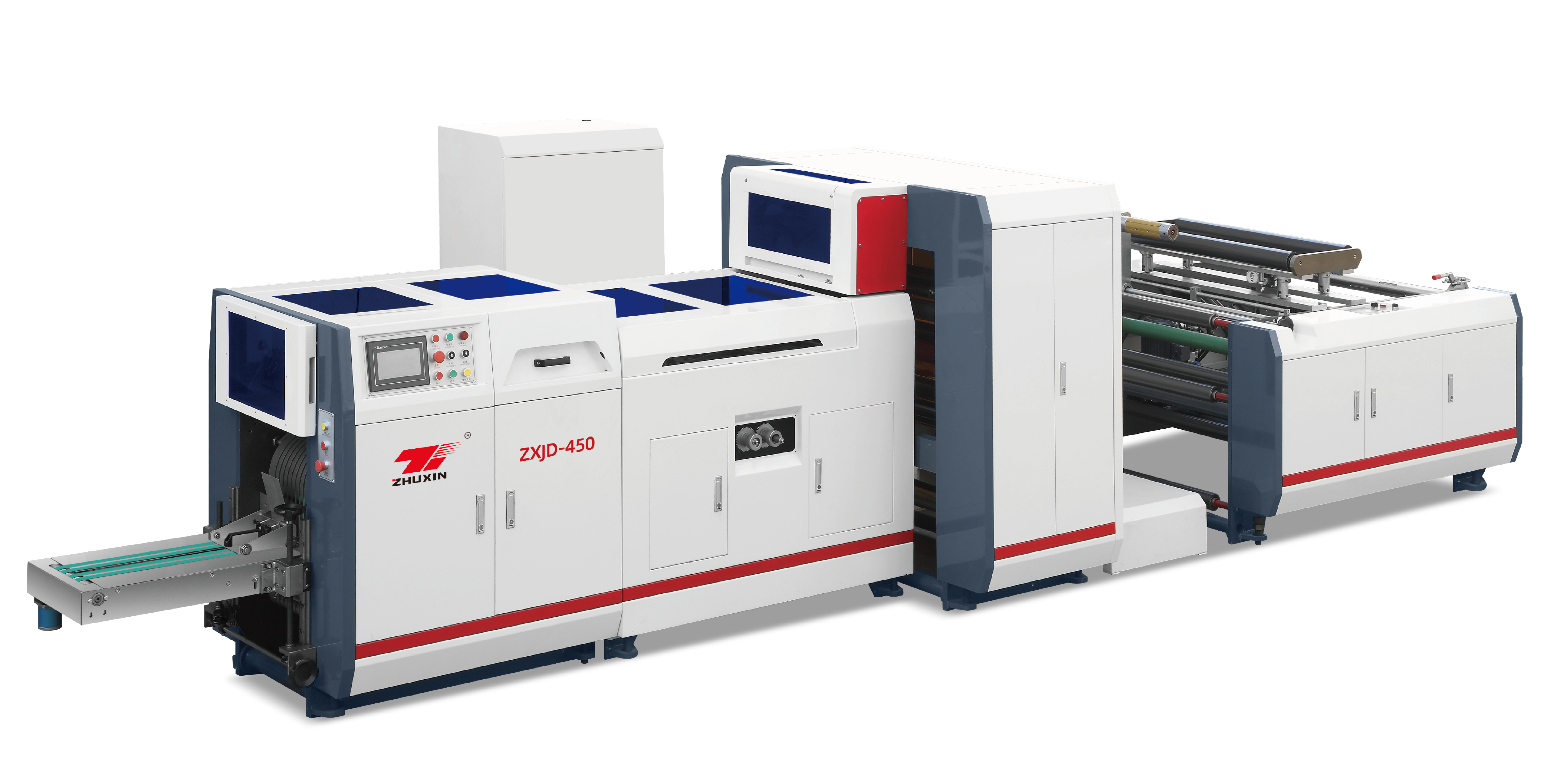
How High-Speed Automation Enhances Paper Bag Production Efficiency
Innovations in High-Speed Paper Bag Manufacturing Technologies
The latest generation of high speed paper bag making equipment marks a major step forward in how we produce packaging materials today. These machines can churn out between 200 to 400 bags every single minute, all while keeping dimensions spot on. What makes them work so well? They rely on sophisticated servo motors that position components with pinpoint accuracy, plus they have multiple stations working at once. At these stations, the machine cuts the material, folds it into shape, applies glue where needed, then seals everything together - all happening simultaneously which means way more bags get made faster than older models ever could. The system also has built in sensors that watch for problems like paper jams, weak glue spots, or when things aren't lined up properly. When something goes wrong, the machine automatically adjusts itself before defects happen. This kind of technology helps companies keep up with the growing market for eco friendly packaging solutions without having to sacrifice their usual production rates or quality standards.
Role of Automation in Maximizing Output Rates (Bags Per Hour)
When it comes to getting the most out of production, automation plays a big role. Fully automatic paper bag machines can crank out several thousand bags every hour, way beyond what manual operations manage in a whole day's work, maybe just a few hundred at best. These machines cut down on staffing needs, which obviously saves money and also means fewer workplace accidents from repetitive motions or simple mistakes people make when tired. The cutting and sealing parts are computer controlled so there's less scrap material going to waste and far fewer faulty bags ending up in the trash bin. According to manufacturing reports, factories running full automation typically produce between 10 and 15 times more product compared to those still using partial automation systems. Plus, the bags come out looking much better since they're all the same size and shape without any weak spots where glue missed its mark.
AI-Driven Controls and Smart Systems in Modern Paper Bag Making Machines
Smart controls powered by artificial intelligence are changing how paper bags get made, turning the whole process into something that can predict problems and fix itself almost automatically. These machine learning programs look at all sorts of factors happening right now during production like how thick the paper is, what the humidity level stands at, and whether there's too much tension somewhere. Based on this information, they tweak the machines while they're running so everything stays efficient. The vision inspection systems check every single bag coming off the line for flaws, catching most issues with pretty good accuracy around 99% or better, then throwing out anything that doesn't meet standards. For maintenance, special models track when parts start wearing down and let technicians know ahead of time when something might break, which cuts down on those annoying unexpected shutdowns we all hate. Throw in some internet of things connections and suddenly operators can watch operations from anywhere and dig through all that collected data to find ways to save money over time without sacrificing quality.
Case Study: A Leading Manufacturer's Fully Automatic Production Line Performance
One top machinery maker has developed an entirely automated production line that shows what integrated automation can really do. The system works with all kinds of paper materials, from thin kraft paper right up to thick multi-wall stock, and it runs at impressive speeds over 300 bags every single minute. What makes this setup special is its complete automation process. It applies glue adaptively, checks quality as things move along, and feeds materials intelligently throughout. All these features work together to keep dimensions accurate and structures strong no matter what comes off the line. Looking at actual performance numbers tells another story too. Operational costs drop around 40% when compared to older semi-automated systems, while material waste plummets by about 60%. This happens because the machines form products so precisely and create almost no scrap. For companies making paper bags today, cases like this demonstrate why going fully automated isn't just about saving money but also about building better products sustainably.
Core Machine Components and Precision Bag Forming Technologies
Key mechanical components of a paper bag making machine
A high speed paper bag maker typically has several key parts working together. First there's the unwinder that keeps the paper roll moving smoothly through the machine. Then we get to the folding mechanisms which need to be pretty precise since they form all those neat creases. The glue application happens automatically these days, followed by either heat or pressure seals depending on what kind of bags are being made. Newer machines come equipped with servo driven tension controls that keep everything running steady. This actually cuts down on wasted paper material by around 15% compared to older mechanical systems, something the packaging industry reported back in 2023. All these components work hand in glove to turn plain paper rolls into finished products at impressive rates. Some top end models can crank out well over 200 bags every single minute when everything is running just right.
Handle punching mechanisms and advancements in bag forming
Today's handle punching systems use lasers for cutting and robots to place handles just right so the bag stays strong after assembly. Some newer tech like ultrasonic sealing makes those handle connections really solid without needing as much glue either maybe around a third less than before. These machines know when to adjust how deep they punch and what pressure works best depending on the thickness of the paper being used. They can handle all sorts of different handle styles from regular die cuts to twisted paper ones or even ribbons without compromising quality across the board. Getting this kind of precision matters a lot for making sure bags last longer and stay safe to use. Think about restaurants or grocery stores where bags need to hold heavy items without tearing open during transport.
Precision engineering for consistent, high-quality food packaging output
Paper bag machines need precision engineering to work properly, and they depend heavily on closed loop feedback systems with real time sensors. These sensors keep track of things like how thick the glue is applied, whether seals hold together well enough, and if dimensions stay within about half a millimeter tolerance range. When something goes off track even just a little bit, the system makes instant corrections to handle differences in material quality or changes in temperature and humidity levels during operation. Machine vision technology works alongside these systems to spot bad bags before they get shipped out. The detection rate for faulty products sits around 99.8 percent, which meets all those tough requirements set forth by food safety regulations. With such tight controls in place, manufacturers can run their lines at full speed without worrying about compromised packaging for perishable goods like dairy products or ready meals.
Food-Safe Materials and Compliance with Global Packaging Regulations
FDA- and EU-compliant food-safe paper and coatings
The paper bag manufacturing industry needs to work with materials that meet international food safety standards. In America, the FDA has rules under 21 CFR 174 through 179 that control what can touch food products. These materials either need to be considered GRAS (Generally Recognized As Safe) or go through special notification processes. Across Europe things are similar but governed by Regulation (EC) No 1935/2004 which basically says packaging shouldn't contaminate food during normal usage conditions. To stay compliant, companies have to run thorough tests like migration analysis and chemical screening while keeping detailed records all along the supply chain. Before running anything on high speed production lines, manufacturers check if their base materials and coatings - whether they're water based, biodegradable options, or something that can be recycled later - actually pass these regulatory hurdles first.
Grease-resistant and moisture-barrier technologies for food packaging
To meet functional and regulatory demands, modern paper bag machines integrate fluorochemical-free barrier solutions that provide grease resistance and moisture protection while remaining compostable and recyclable. These include:
- Water-based polymer coatings that form effective moisture barriers without compromising recyclability
- Plant-derived treatments that resist oil penetration and align with industrial composting standards
- Nanocellulose enhancements that offer natural, renewable barrier properties
As studies confirm, these treatments undergo stringent migration testing - especially for fatty or acidic foods - to ensure no harmful compounds leach into contents. Their adoption enables producers to deliver high-performance, food-safe paper bags that satisfy both consumer expectations and global regulatory requirements.
Sustainable Packaging Trends Driving Demand for Eco-Friendly Paper Bags
Consumer demand for sustainable food packaging solutions
People are definitely moving away from traditional packaging these days, especially when it comes to eco-friendly materials. Recent surveys show that around 9 out of 10 shoppers actually prefer companies that use sustainable packaging options. The shift seems most pronounced among millennials and Gen Z buyers, with nearly 83 percent of those under 44 saying they'd spend extra on products wrapped in green materials. As consumer pressure mounts alongside stricter environmental laws, we're seeing massive growth in the paper bag industry. Market analysts predict the sector will hit about $10.4 billion by 2035 as grocery stores, restaurants, and cafes everywhere swap their plastic bags for brown paper ones. Supermarkets have already started replacing single-use plastics with compostable paper sacks at checkout counters nationwide.
Eco-friendly benefits of SOS (side-opened sack) paper bags in food service
SOS paper bags, also known as Side-Opened Sacks, bring together both usefulness and eco-friendliness in one package. The design is pretty smart actually - it stands up straight without needing extra support and cuts down on wasted materials when they're being manufactured. One neat thing about these bags is their ability to let air through naturally, which keeps foods fresh longer. This matters a lot for things like breads coming out of ovens or those crispy fried snacks people love so much. What makes SOS bags stand out from regular plastic alternatives? Well, they break down completely in nature, go into recycling bins just fine, and most are crafted from plant-based fibers that can be grown again and again. For fast food places and supermarkets trying to cut back on their carbon footprint without sacrificing quality service, SOS bags represent a real win-win situation that customers seem happy with too.
How high-speed paper bag making machines support green manufacturing goals
The high speed paper bag making machines play a big role in moving forward with green manufacturing practices because they allow for efficient mass production of eco friendly packaging solutions. These machines are engineered with great attention to detail which means less wasted materials during production runs. The automated systems produce bags made from recycled content or compostable materials consistently fast enough to keep up with increasing demand while still keeping costs down compared to traditional methods. As more companies look to replace plastic packaging options with paper based alternatives, these machines give suppliers an edge in following circular economy guidelines. Food businesses especially benefit since they can now offer products wrapped in environmentally responsible packaging that meets stricter regulations and satisfies customers who increasingly care about sustainability issues.
FAQ
What is the advantage of using high-speed paper bag machines?
High-speed paper bag machines can produce between 200 to 400 bags per minute, maintaining precision while reducing waste and increasing efficiency. This automation also cuts down on staffing needs and workplace accidents.
How do AI-driven controls improve paper bag manufacturing?
AI-driven controls enable machines to predict and fix issues automatically. They use machine learning to adjust for variables like paper thickness and tension, keeping production efficient and ensuring high-quality output.
Are materials used in paper bag manufacturing food-safe?
Yes, materials used must comply with FDA and EU standards, ensuring they don't contaminate food. They often undergo various tests like migration analysis and chemical screening for safety and compliance.
Why is there a growing demand for eco-friendly packaging?
There is increasing consumer preference and regulatory pressure for sustainable packaging solutions. The market is projected to grow significantly as businesses switch to eco-friendly alternatives like paper bags.
What are the benefits of SOS paper bags?
SOS paper bags are eco-friendly, biodegradable, and recyclable. Their design allows for natural airflow, keeping the contents fresh, which is particularly beneficial for food service.