
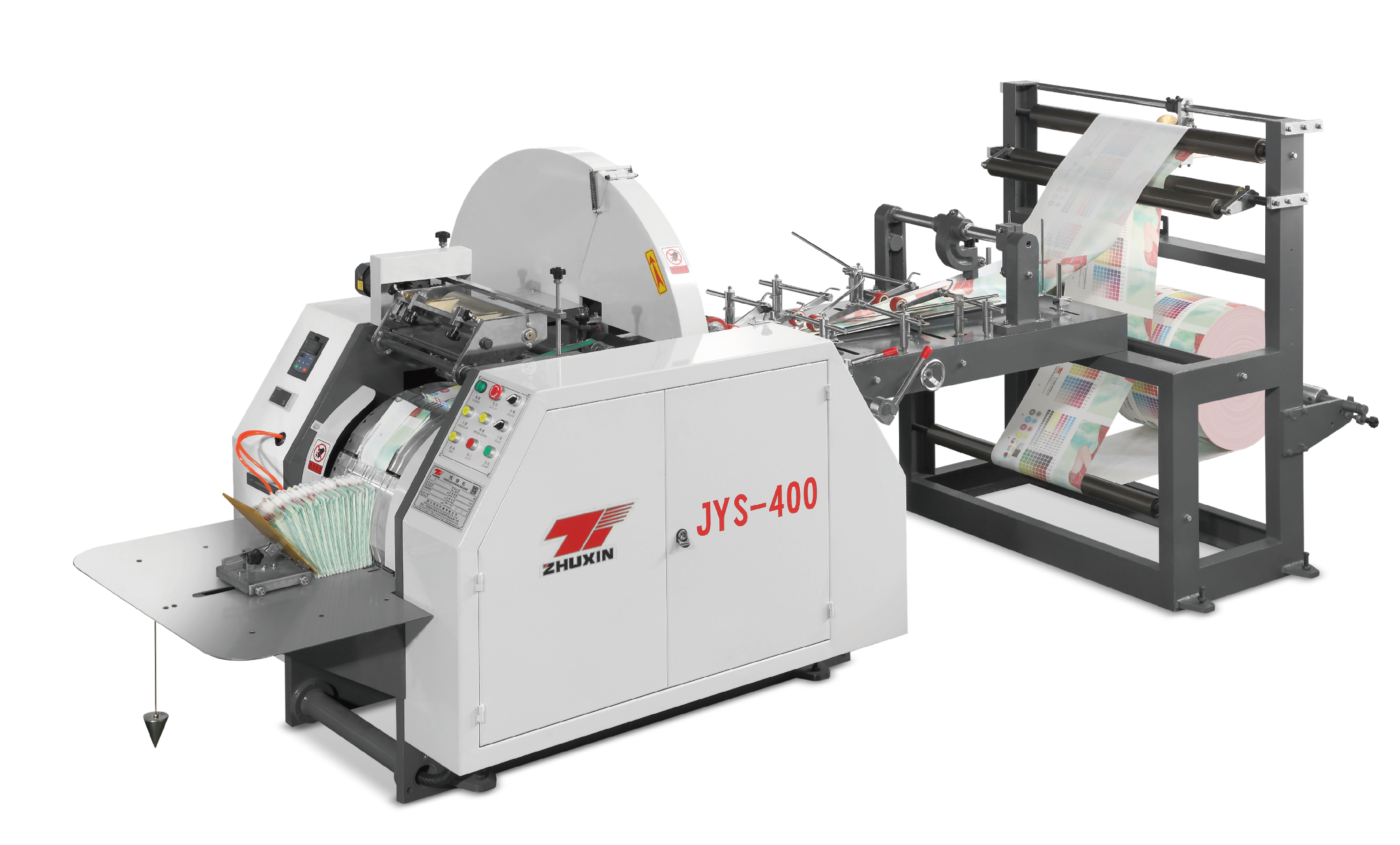
Automation and Precision in Smart Paper Bag Making Machines
The Evolution of Automation in Paper Bag Making Machine Technology
The paper bag manufacturing equipment we see today is far removed from what it was just a few decades ago. Back then, operators had to constantly watch over mechanical systems that were prone to breakdowns. Now most facilities run on digital platforms that handle everything automatically. Older versions relied on simple air pressure controls and rudimentary sensors, while current machines make extensive use of PLCs for tasks like folding, applying glue, and final touches with tolerances tighter than half a millimeter. A recent industry study showed that going fully automated cuts down setup time by about two thirds when compared to older semi automatic machines, which means factories can get back into full production much quicker after switching between different product runs.
Integration of Servo Motors and PLC Controls for Synchronized, High-Speed Operation
When servo driven actuators work together with PLC logic systems, they can actually push production past 400 bags each minute while still keeping those tight manufacturing tolerances. The system makes real time tweaks for things like how the paper feeds into position, how thick the glue gets applied, and where exactly those handles attach to the product. All these adjustments happen because sensors constantly send back information about what's going on. What we get from this setup is around plus or minus 0.2 millimeters accuracy when running at full speed. That's roughly three quarters better than older gear and chain setups were capable of. And best of all, this level of precision holds up throughout long production runs at top speed without dropping off.
How Automation Minimizes Human Error and Ensures Consistent Output Quality
Automation eliminates variability inherent in manual operations, as demonstrated by key performance improvements:
| Factor | Manual Process | Automated System |
|---|---|---|
| Seam alignment error | 3-5 mm | <0.8 mm |
| Glue dispersion | 15% variance | 4% variance |
| Reject rate | 12% | 2.7% |
Closed-loop quality control systems detect deviations instantly, reducing material waste by up to 18% annually for mid-sized manufacturers and ensuring uniform output across shifts and operators.
Case Study: Productivity Improvements in Automated Packaging Facilities
One major packaging company reported boosting productivity by around 40% when they switched to servo-PLC automation back in 2022. Their production line now runs almost nonstop, needing only about two hours each day for maintenance work. They can switch between different bag styles really fast too there are over fifty designs to choose from. Plus, the system automatically adjusts for variations in paper grain that used to cause problems. The results speak for themselves output stays consistent at about 99.1% accuracy. This level of performance helped them land deals with two big international retailers, showing just how much better automated systems make scaling operations and maintaining quality standards possible in today's competitive market.
Trends in Smart Manufacturing Driving Innovation in Sustainable Packaging
Modern machines connected through IoT technology are starting to apply predictive analytics for better energy management when they're not actively working. They can also plan maintenance before problems occur and keep tabs on how materials get used compared to environmental performance metrics. This matches up pretty well with worldwide goals for reusing resources. Looking at numbers from the Green Manufacturing Index for 2024 shows that automated systems actually use about 22 percent less power per item produced compared to old fashioned manual methods. When companies install these smart monitoring systems, they find they can comply with environmental regulations while still keeping production rates where they need them to be.
Touch Screen Interface and User-Centric Machine Control
Advantages of Touch Screen Controls in Modern Paper Bag Making Machines
Touch screens have pretty much taken over from those complicated mechanical dials, replacing them with easy-to-use visual menus. Operators can now tweak glue settings, adjust folding angles, and set speed profiles with just a few taps rather than memorizing long command sequences. Studies show these digital interfaces cut down configuration mistakes anywhere from 30 to 50 percent when compared to old analog systems. Plus, switching between different bag designs happens much faster, which is a real game changer for companies dealing with small batches or rush orders. The whole process becomes smoother and more efficient as a result.
Intuitive User Interface Design for Quick Setup and Minimal Training
Workflow-optimized dashboards cut new operator training time by 40%. Customizable shortcut panels follow industrial human-machine interface best practices, enabling users to prioritize frequent adjustments like tension or speed. Context-sensitive help overlays animated setup guides directly onto machine schematics, supporting real-time troubleshooting without stopping production.
Real-Time Monitoring, Diagnostics, and Performance Feedback via Integrated Displays
The high resolution 10 inch screens track more than fifteen different metrics at once including things like how much adhesive gets used, what the motors are doing, and whether everything stays properly aligned. When something goes off track even by just 0.3 mm, the system gives warning signals through colors so operators know right away there's a problem. These smart diagnostic tools look at vibrations patterns too, basically predicting when parts might start wearing out so maintenance can happen before breakdowns actually happen. Factory floor workers rely on all this information to find where production slows down and fix those spots. Plants that have implemented these systems typically see their overall equipment effectiveness hit around 92 percent, though getting there takes some time and adjustment as teams learn to work with the new data streams.
Energy Efficiency and Waste Reduction Through Intelligent Systems
Optimizing Energy Use and Minimizing Material Waste in Automated Paper Bag Production
Smart sensor networks and variable-speed drives enable up to 25% energy savings by adjusting motor power to real-time demand, eliminating idle consumption. Precision cutting algorithms reduce paper waste by 12-18% through optimized layout nesting, while laser-guided alignment prevents misfeeds and misprints that previously accounted for 3-5% of raw material loss.
Data-Driven Process Optimization Using PLC-Controlled Feedback Loops
Programmable Logic Controllers adjust their settings roughly every half second, which creates this kind of feedback loop system that keeps things running smoothly at the best possible levels. According to research published last year by Plant Automation Technology, these PLC systems actually maintain glue temperatures pretty close to what they should be, usually within about plus or minus 1 degree Celsius. They also change the pressure automatically depending on how thick the paper is being processed. And let's not forget how they match up conveyor belt speeds with those cutting machines down to almost 0.02 millimeters difference. All of this helps factories run better while producing fewer faulty products.
Balancing Initial Investment With Long-Term Sustainability and Operational Savings
Smart paper bag machines do come with about 15 to 20 percent more upfront expense compared to traditional models, but many plant managers find they get their money back in around 18 months. How? Lower electricity costs when following ISO 50001 standards for power management helps quite a bit. Plus there's barely any material waste these days, sometimes less than 1%. And let's not forget those predictive maintenance features that cut down on unexpected machine stoppages so much. The whole system actually fits right into what we call circular manufacturing practices today. When companies start thinking smarter about how they use resources, they end up making more profit while staying green at the same time something regulators love to see.
Sustainability Advantages of Automated Paper Bag Manufacturing
Reduced Carbon Footprint Through Precision Engineering and Efficient Workflows
The automated systems manage to save around 30 to 50 percent on materials thanks to their servo controlled tension system which makes better use of paper when cutting and folding operations take place. These machines actually use about 22% less power for every thousand bags produced because of how they sequence motors intelligently, yet still manage to keep production rates well over 150 units per minute. With PLC monitoring in place, operators can spot and fix material waste problems right away, leading manufacturers to report roughly 25% less kraft paper going to waste overall. Plus these systems work great with substrates that contain as much as 80% recycled content from previous consumer products, so companies get environmental benefits too without having to slow down production speeds or deal with compromised bag quality issues.
How Smart Machines Support Eco-Friendly Packaging Goals in the B2B Sector
Brands are turning to automation to fulfill their ESG goals thanks to new technologies such as chemical-free ultrasonic sealing that actually reduces adhesive usage by around 40%. There's also the cloud-connected tracking systems that monitor all sorts of green metrics in real-time. The energy recovery modules are pretty impressive too. These gadgets grab about 90% of the energy generated when servo motors brake and send it back into other parts of the system. This makes everything run better and saves money on electricity bills. With this kind of closed loop design, manufacturers can easily check off those ISO 14001 requirements while cranking out between 120 to 200 biodegradable bags every minute. For companies supplying big box stores and supermarkets that demand verified eco-friendly packaging, these automated systems aren't just helpful anymore they're becoming absolutely necessary for staying competitive in today's market.
FAQ Section
What are the benefits of automation in paper bag manufacturing?
Automation provides improved precision, reduces setup time, and ensures consistent output quality while minimizing human error. It also facilitates faster productivity and enables efficient scaling of operations.
How do servo motors and PLC controls enhance production?
Servo motors and PLC controls can push production past 400 bags per minute while maintaining tight tolerances. They provide real-time adjustments and ensure high accuracy throughout long runs.
How do smart machines contribute to sustainability goals?
Smart machines support eco-friendliness through technologies like ultrasonic sealing, energy recovery modules, and efficient resource usage, helping companies achieve ESG goals and comply with environmental regulations.
Do automated systems have a high initial cost?
Although automated systems may have a higher upfront cost compared to traditional models, they typically pay off within about 18 months through energy savings, reduced waste, and improved operational efficiency.
How do touch screens improve the operation of bag-making machines?
Touch screens replace complex mechanical dials with easy-to-use visual menus, reducing configuration mistakes and speedily adapting to different bag designs, which is beneficial for handling small or rush orders.
Table of Contents
-
Automation and Precision in Smart Paper Bag Making Machines
- The Evolution of Automation in Paper Bag Making Machine Technology
- Integration of Servo Motors and PLC Controls for Synchronized, High-Speed Operation
- How Automation Minimizes Human Error and Ensures Consistent Output Quality
- Case Study: Productivity Improvements in Automated Packaging Facilities
- Trends in Smart Manufacturing Driving Innovation in Sustainable Packaging
- Touch Screen Interface and User-Centric Machine Control
- Energy Efficiency and Waste Reduction Through Intelligent Systems
- Sustainability Advantages of Automated Paper Bag Manufacturing
- FAQ Section