
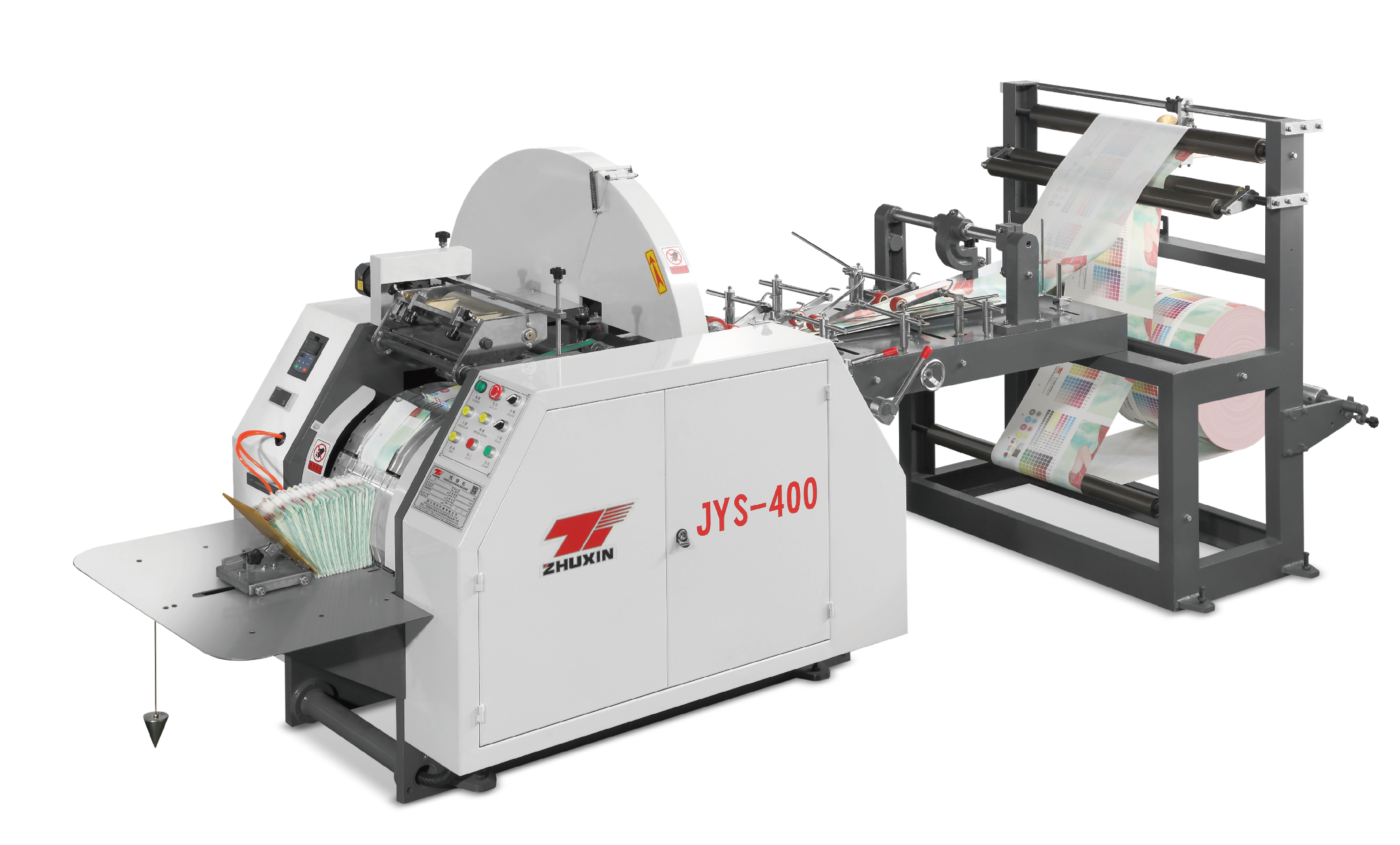
Why Paper Bag Making Machines Are Driving Sustainable Packaging Innovation
The Global Shift from Plastic to Biodegradable Packaging
Around the globe, both governments and big companies are moving away from single use plastics these days. As of last year, no fewer than 127 nations had put some kind of ban in place against them according to UNEP data from 2023. What's driving this change? Well look at what people want these days. The numbers tell the story pretty clearly too - around eight out of ten shoppers worldwide are steering clear of products wrapped in plastic as per Nielsen's latest sustainability report for 2024. Enter paper bag manufacturing equipment which plays a key role here. These machines take all sorts of stuff like old cardboard and farm leftovers and turn them into bags that actually break down naturally over time. They help cut back on our reliance on those oil based plastics we've been so dependent on for decades now.
How Paper Bag Making Machines Support Environmental Sustainability
Modern machines reduce water usage by 40% and energy consumption by 30% compared to legacy systems, thanks to closed-loop processes and solar-compatible engineering. These advancements significantly lower the environmental footprint of paper packaging production while maintaining high output and quality standards.
Key Technological Advancements in Paper Bag Making Machines
Automation and AI Integration for Smarter Production
Modern paper bag making machines powered by AI servos can churn out around 2,000 bags every hour these days. The glue gets applied with remarkable accuracy too, staying within about half a millimeter either way. And companies report saving nearly 18% on materials compared to when workers did it manually according to FairPrint India's 2024 findings. These machines also have IoT sensors watching over things like tension levels and how strong those seams are as they run. This real time monitoring helps predict when parts might fail before they actually do, cutting down unplanned stoppages by almost half in food packaging operations where hygiene standards are so strict.
Energy-Efficient Design and Sustainable Machine Engineering
| Feature | Traditional Machines | Advanced Models |
|---|---|---|
| Energy Consumption | 15-20 kW/hour | 8-12 kW/hour |
| Heat Recovery Systems | None | 85% efficiency |
| LED Lighting | 30% of components | 100% adoption |
| Aligned with ISO 50001 standards, these innovations cut carbon emissions by 22% per 10,000 bags produced. According to the 2024 Industrial Energy Report, manufacturers typically recoup their investment within 18 months through operational savings. |
Material Flexibility: Handling Recycled and Biodegradable Papers
Modern feeding systems handle more than thirty different paper types ranging from light weight 70gsm recycled newsprint all the way up to heavy duty 350gsm laminated kraft without any drop in production speed. There's been some exciting new developments too that let operators switch effortlessly between FSC certified stock and eco friendly options made with as much as forty percent agricultural waste materials. This kind of flexibility helps manufacturers meet those tough EU Packaging Directive requirements set for 2030 when it comes to recyclability standards, plus keeps the paper strong enough to withstand tearing forces exceeding twelve Newtons per square millimeter during handling and transport.
Types and Features of Automatic Paper Bag Making Machines
Square Bottom vs. Grocery Paper Bag Making Machines: Applications and Benefits
The square bottom machine makes those flat bottomed bags that just sit there nicely on store shelves, perfect for fashion brands wanting their products to look high end. Then there are the grocery bag machines which are all about making lots of bags fast. These ones have extra strong seams and handles that can actually hold down those heavy tomatoes without tearing. According to this sustainability report from last year, most modern grocery bag machines come with built in printing capabilities so stores can slap their logo right onto the plastic. Pretty smart move when trying to market themselves as green businesses these days. Both types work with biodegradable stuff now, but the square bottom systems really shine when it comes to custom designs for specialty retailers who want something different from the usual run of the mill packaging options available on the market today.
Production Speed, Output Capacity, and Design Versatility
Top-tier machines reach speeds of 600 bags per minute and handle paper weights from 40–200 GSM, including recycled content. Automated lines can switch between 15+ bag sizes in minutes, serving diverse needs–from grease-resistant fast-food bags to embossed luxury packaging. Newer models maintain dimensional accuracy within ±2% while using 30% less energy than 2020 benchmarks.
Semi-Automatic vs. Fully Automatic Models: Choosing the Right Fit
Small businesses that need to switch between products often find semi automatic machines work best for them. These machines handle around 15 to 50 bags per minute and cost about 40 percent less upfront compared to their fully automatic counterparts. When it comes to big operations, fully automatic production lines are where the money gets made. Most companies see their investment pay off within 14 to 18 months because they save so much on labor costs. Think about it this way one person can now manage what used to take anywhere from five to eight employees. Bakeries and pharmacies making less than 10 thousand bags each day might want to look at hybrid setups instead. They automate important parts like sealing the bags but still keep some manual checks in place. This gives operators control over quality without sacrificing too much efficiency.
Environmental Impact and Sustainability Metrics of Paper Bag Production
Biodegradability, Recyclability, and Carbon Footprint Reduction
When made with recycled materials, today's paper bags create about 60 percent fewer carbon emissions across their entire life compared to plastic options. If tossed into proper composting environments, most paper bags will break down completely within two to six months, whereas regular plastic takes literally centuries to disappear from our planet. The water usage story has changed too. Back in the day, making one paper bag required around 4.5 liters of water, which was three times more than needed for plastic bags. But now with better closed loop systems in place, manufacturers actually recycle about 87% of the water they use during production. And let's not forget recycling rates either. Roughly 85% of collected paper bags get turned back into new products, while only about 9% of plastic bags ever make it through the recycling process.
Measuring True Sustainability in Paper Bag Manufacturing
True sustainability hinges on three core metrics:
- Material sourcing: FSC-certified paper reduces deforestation impacts by 72%
- Production efficiency: Renewable-powered facilities cut emissions by 34% compared to grid-dependent plants
- End-of-life outcomes: BPI-certified compostable materials break down industrially within 12 weeks
Manufacturers certified under ISO 14067 provide transparent carbon accounting, covering indirect emissions from transportation and raw material processing.
Addressing the Debate: Are All Paper Bags Truly Eco-Friendly?
Environmental impact varies widely based on production choices:
| Factor | High-Impact Production | Low-Impact Alternative |
|---|---|---|
| Fiber Source | Virgin wood pulp | 100% post-consumer recycled |
| Energy Consumption | Grid electricity | Solar/wind-powered machinery |
| Coating Materials | Petroleum-based laminates | Water-based biodegradable |
Research indicates paper bags must be reused at least three times to match the per-use emissions of reusable plastic. Emerging solutions like algae-based coatings now enable marine-safe degradation without sacrificing moisture resistance.
Cost-Effectiveness and ROI of Investing in a Paper Bag Making Machine
Initial Investment vs. Long-Term Operational Savings
Automated paper bag making machines reduce labor costs by 60% and defects by 95% compared to manual production (2024 Paper Machinery Report). Although initial costs range from $150,000 to $500,000, most businesses recover investment in 18–24 months via:
- Material waste reduction: Precision cutting lowers waste from 15–20% to 3–5%
- Energy savings: Optimized heating and motors reduce annual power use by 25–35%
- Higher output: Automation enables 2,000+ bags/hour versus 500/hour manually
These efficiencies allow competitive pricing while sustaining 30–40% profit margins on bulk orders.
Scaling Production to Meet Growing Market Demand
With the sustainable packaging market expanding at 6.8% annually through 2030, paper bag machines offer scalable solutions. Semi-automatic systems let small producers generate 2,000–5,000 bags daily at $0.02–$0.05 per unit, enabling cost-effective entry into eco-friendly packaging without large capital outlays.
FAQ
Why are paper bag making machines considered eco-friendly?
Paper bag making machines are considered eco-friendly because they use recycled materials, reduce energy and water consumption, and produce biodegradable products, leading to a lower environmental footprint.
What are the benefits of using paper bags over plastic bags?
Paper bags are biodegradable, recyclable, and often made from sustainable materials. They contribute to reduced carbon emissions and have less impact on marine life compared to plastic bags.
Can small businesses afford to invest in paper bag making machines?
Yes, small businesses can invest in semi-automatic paper bag making machines, which offer cost-effective solutions and the flexibility to handle various production needs without large capital outlays.
How long does it take for a business to see ROI from paper bag making machines?
Most businesses see a return on investment from paper bag making machines in 18 to 24 months, thanks to savings on material waste, labor, and energy consumption.
Table of Contents
- Why Paper Bag Making Machines Are Driving Sustainable Packaging Innovation
- Key Technological Advancements in Paper Bag Making Machines
- Types and Features of Automatic Paper Bag Making Machines
- Environmental Impact and Sustainability Metrics of Paper Bag Production
- Biodegradability, Recyclability, and Carbon Footprint Reduction
- Measuring True Sustainability in Paper Bag Manufacturing
- Addressing the Debate: Are All Paper Bags Truly Eco-Friendly?
- Cost-Effectiveness and ROI of Investing in a Paper Bag Making Machine
- FAQ