
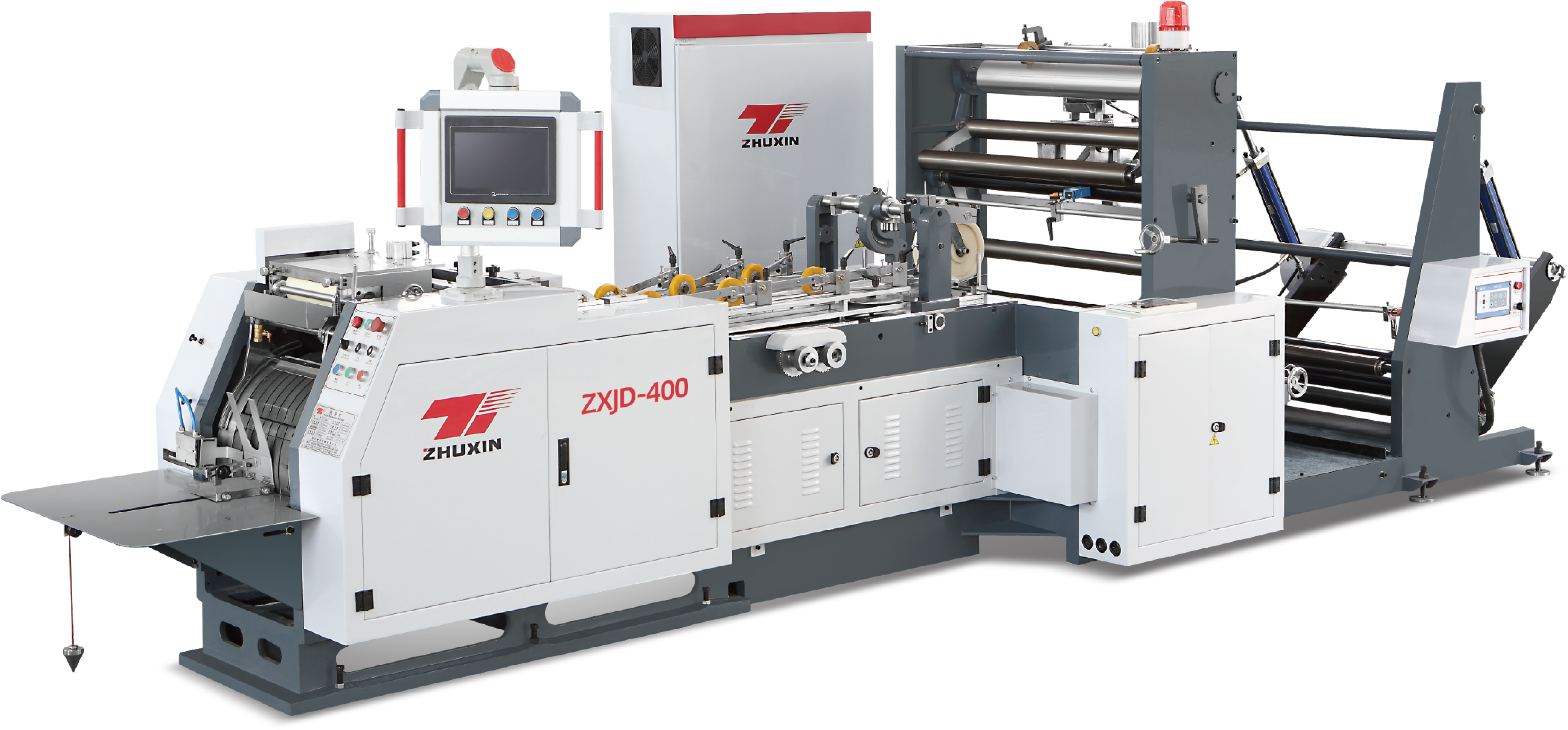
How a Square Bottom Paper Bag Making Machine Works
What Is a Square Bottom Paper Bag Making Machine?
Square bottom paper bag making machines streamline the creation of those sturdy retail bags we see everywhere these days. What makes them special is their ability to combine several steps at once - feeding material, folding it just right, then applying glue so everything sticks together properly. They work with different kinds of paper too, whether it's standard kraft stuff, recycled options, or even laminated rolls when extra protection is needed. Most modern setups come equipped with touchscreens where operators can tweak settings on the fly. Want bags that are 6 inches tall? No problem. Need something closer to 18 inches? Just adjust the controls. Handle preferences matter too, so manufacturers offer choices between twisted handles, flat ones, or ribbon styles depending on what looks best for the brand. Production speeds vary quite a bit across models. The semi-automatic versions typically crank out around 40 to 80 bags each hour, whereas the fully automated systems hit much higher output levels, somewhere between 150 and 200 per hour based on recent industry data from last year.
Step-by-Step Operation: From Paper Roll to Finished Bag
- Material Feeding: Paper rolls load into an unwinding system guided by tension-control sensors to ensure smooth, consistent delivery.
- Base Formation: Rotary blades score and fold the paper into a square bottom, reinforced with food-grade adhesive that cures in 2–5 seconds depending on thickness.
- Side Sealing: Heat presses bond seams at 120–150°C, ensuring durable construction across varying material weights.
- Handles & Customization: Optional modules attach twisted handles or apply logos via integrated inkjet printing.
- Cutting & Stacking: Servo-driven blades trim bags to precise lengths before automated stacking systems organize finished units.
Key Technical Specifications: Bag Size, Speed, and Material Compatibility
| Parameter | Range |
|---|---|
| Bag Width | 4–12" |
| Production Speed | 80–200 bags/hour |
| Material Thickness | 80–200 GSM |
| Power Consumption | 5–10 kW (energy-saving modes reduce this by 15%) |
Machines compatible with recycled materials reduce waste by 18% compared to manual methods (Sustainable Packaging Coalition 2023). Advanced models include IoT-enabled sensors to monitor glue application accuracy within ±0.1 mm and trigger automatic shutdowns during jams.
Automation and Production Efficiency in Modern Paper Bag Making
High-Speed Output and Continuous Production Capacity
Today's paper bag manufacturing machines can crank out over 2000 bags each hour, and the premium models push this number all the way to 12,000 per hour thanks to their synchronized feeding and finishing systems working in harmony. The continuous roll-to-bag process keeps things running smoothly most of the time, cutting down on those annoying stoppages. Servo motors handle the control work pretty well too, keeping dimensions within about half a millimeter accuracy even when the machine is pushing maximum capacity. For store owners dealing with holiday rushes or back-to-school spikes, these machines mean they can ramp up production fast enough to keep shelves stocked without customers waiting weeks for their orders.
Core Features That Ensure Precision and Operational Efficiency
Three innovations drive reliability in automated systems:
- Laser-guided alignment that corrects material drift in real time
- Adaptive glue modules that adjust viscosity to achieve 98% seam integrity
- Energy recovery systems that cut power use by 22% during high-volume runs
These capabilities support processing of 60–350 GSM kraft paper with less than 1% material waste.
Balancing Full Automation with Human Oversight in Retail Packaging
Even though automation handles around 92% of production work these days, experienced techs are still needed to check if different raw materials will actually work together (they handle more than 15 kinds of paper alone). They also need to switch between batches when brands change, which requires working with those programmable logic controllers. And let's not forget about keeping things running smoothly through predictive maintenance based on all that data coming from IoT devices. The whole system saves companies about 40% on labor costs versus doing everything manually. Plus it keeps the door open for special orders from retailers who want something unique. Manufacturers find this mix of automation and human oversight works best when they need both efficiency and adaptability.
Customization and Flexibility for Diverse Retail Packaging Needs
Adapting the Paper Bag Making Machine for Various Bag Sizes and Styles
Square bottom paper bag makers today handle all sorts of retail requirements, cranking out everything from small 5 by 3 by 10 inch gift pouches right up to those big 15 by 8 by 20 inch grocery carriers that can hold multiple items. The machines come equipped with adjustable feeders and modular dies that let operators switch sizes quickly usually under five minutes work and still hit that tight ±1 mm tolerance most packagers need. What really stands out though are the auto-calibration sensors built into these systems. They make it possible to go from running fancy candle packaging one moment to switching over to organic vegetable bags the next, all without stopping the line or losing quality control during the changeover process.
Customizable Design Options: Color, Handle Type, and Branding Features
Many retailers now rely on sophisticated printing tech to get those exact brand colors from Pantone®, along with gradients and even scannable QR codes printed straight onto kraft paper or recycled materials. When it comes to handles, there's quite a range available these days. Boutiques often go for those twisted paper ropes that look so stylish, while stores dealing with heavier items need something sturdier like flat reinforced grips. Some manufacturers have started adding euro-cut slots too, which makes carrying things around much easier on the hands. The numbers tell an interesting story here too. According to Green Packaging Initiative data, nearly seven out of ten shoppers actually prefer seeing those eco-labels on their shopping bags. No wonder we're starting to see increased interest in machinery that can stamp those sustainability claims right into the product as it gets made.
Quick Changeover for Small and Custom Retail Orders
Systems that don't require tools for adjustments cut down on changeover time to less than 15 minutes something that matters a lot when dealing with special edition holiday packages or products made only for certain regions. The machines come with built-in memory banks that remember settings for more than fifty different bag types. Operators can flip from one style to another pretty easily whether it's switching from those tall bakery bags with extra sides to flat bottom carriers used for clothing all without having to mess around with recalibrations manually. This kind of flexibility works well for smaller production runs between 500 and 2000 items at a time while keeping the machines running smoothly about 98 percent of the time. Makes sense really since most retailers these days are moving toward making things just as they need them instead of stockpiling inventory.
Applications Across Retail, Grocery, and E-Commerce Sectors
Why Retailers Are Switching to Automated Paper Bag Production
More and more retailers are turning to square bottom paper bag making machines these days because shoppers want eco friendly packaging that still carries their brand identity. According to Packaging Digest's latest numbers from 2023, about one fifth of businesses have started focusing on automated systems lately. The main reasons? Lower labor expenses and cutting down on wasted materials by roughly thirty percent compared to old fashioned manual methods. What makes these machines so popular is their ability to produce bags in all sorts of different sizes, with various handle options and custom branding elements. And this matters a lot since around two thirds of customers actually connect good packaging quality directly with how trustworthy they find a brand to be, according to some research published by EcoPackaging Insights last year.
Meeting Packaging Demands in Grocery and Online Delivery Services
Supermarkets and online shopping sites need sturdy paper bags that won't leak and can carry around 15 pounds, usually made with multiple layers of paper for strength. Online delivery companies benefit from special machinery that lets them switch from making tiny makeup pouches to big grocery bags in just a few minutes flat, which helps them keep up when orders go up or down unexpectedly. The ability to quickly adjust production runs matters a lot these days because food delivery businesses worldwide are expanding fast, something like 11% year over year according to recent reports. As more people order groceries online, there's growing interest in packaging solutions that work well but also happen to be better for the environment too.
Case Study: A Leading Manufacturer’s Role in Sustainable Retail Packaging
One major supermarket chain across Europe managed to slash their use of single use plastics by nearly 92 percent once they started using automated paper bag machines made by a well known equipment company worldwide. These systems come equipped with smart sensors connected through the internet that help control exactly how much glue gets used while also making sure the machines run efficiently, which cuts down on carbon emissions somewhere around 18 tons each year for every machine installed. Running at impressive speeds of about 160 bags per minute, these production lines work with completely recycled paperboard material yet still maintain good strength against tearing and clear printing quality. This shows companies looking to go green don't have to compromise between fast production rates and sustainable practices when it comes to manufacturing essentials like grocery bags.
Future Trends in Automated Paper Bag Making Technology
Rising Demand for Eco-Friendly Packaging in E-Commerce
The shift toward sustainable retail is fueling a 24% annual growth in eco-friendly packaging adoption (Smithers 2023), making automated paper bag machines vital for e-commerce brands. Modern systems emphasize recycled materials and water-based adhesives, reducing plastic dependency while preserving durability for shipping.
Smart Controls and IoT Integration in Fully Automatic Machines
Leading manufacturers now embed IoT sensors and AI-driven calibration to enable:
- Real-time monitoring of glue application within ±0.1 mm tolerance
- Predictive maintenance alerts that reduce downtime by 30%
- Cloud-based dashboards for tracking energy consumption
These technologies allow machines to self-optimize speeds up to 160 bags/minute while maintaining 99.8% defect-free output in continuous operation.
Sustainability-Driven Innovations in Paper Bag Manufacturing Equipment
New hydraulic pressing systems consume 40% less energy than traditional methods (Green Manufacturing Initiative 2024). Dual-purpose machines that fabricate paper handles from scrap material eliminate 18% of industry-wide production waste. Solar-compatible motors and biodegradable coating systems are also being adopted to help manufacturers meet zero-waste certification standards.
FAQ
What type of paper materials can be used in square bottom paper bag making machines?
These machines can handle various types of paper, including kraft, recycled, and laminated paper.
How fast can these machines produce paper bags?
Production speeds can vary, with semi-automatic versions producing 40 to 80 bags per hour and fully automated systems reaching 150 to 200 per hour.
Do these machines support customization options?
Yes, they include features for customizing size, handle type, and branding elements.
Are sustainable materials used in the production process?
Machines are compatible with recycled materials, and newer models incorporate eco-friendly adhesives and energy-saving technologies.
How do IoT-enabled features enhance the machine's functionality?
IoT-enabled sensors monitor accuracy and efficiency, triggering automatic shutdowns and predictive maintenance.
What impact do these machines have on labor costs?
Automation can reduce labor costs by approximately 40% compared to manual methods.