
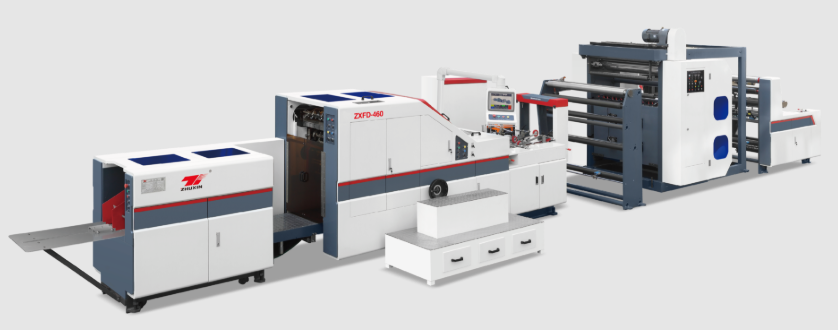
Not all paper bags are created equal. The paper bag that carries a loaf of bread, a sandwich, or fresh produce enters direct or indirect contact with food — which makes it a food-contact material governed by strict regulations in most markets. Producing food-grade paper bags is not just about using a cleaner machine; it is about controlling your entire supply chain, from the pulp in the paper to the glue on the seam and the ink on the label. This guide explains the safety standards that apply, the materials and chemicals to manage, the certifications buyers expect, and the production hygiene practices that keep your bags compliant.
1. Key Regulatory Frameworks
Two regulatory frameworks set the global benchmark for food-contact paper:
-
US FDA regulations: Under 21 CFR, food-contact materials must not transfer substances to food that could make it unsafe or affect its taste. For paper, the key is that all components — paper fiber, coatings, glues, and inks — are manufactured from substances listed as approved, or are used under conditions consistent with the regulations. FDA compliance is typically demonstrated through supplier declarations and, where needed, migration testing.
-
EU framework regulations: The EU regulates food-contact materials through a framework regulation (EC 1935/2004), which requires that materials do not transfer constituents to food in quantities endangering human health or altering food composition, taste, and odor. For paper specifically, the industry follows national rules and technical guidelines, notably those of Germany and France, which set specific limits for substances like mineral oil hydrocarbons, heavy metals, and phthalates. The EU is also actively developing a specific paper regulation.
Many other markets — from the Gulf states to Southeast Asia — reference FDA or EU rules in their own food-packaging legislation, so compliance with these two frameworks covers the majority of export destinations.
2. Materials and Chemicals to Manage
Food-grade compliance starts with material selection:
-
Paper: Use virgin or recycled fiber that meets your target market's requirements. Note that recycled paper can contain mineral oil residues from printing inks; if you use recycled fiber for direct food contact, confirm mineral oil levels meet limits and consider functional barriers or virgin fiber instead. Paper suppliers should provide compliance declarations identifying all additives — sizing agents, wet-strength resins, and coatings.
-
Glue: Adhesives must be food-contact compliant. Hot-melt glues commonly used in bag making must meet the same migration rules; request the supplier's food-contact declaration and confirm the glue is approved for the temperature conditions of your end use (e.g., hot food packaging).
-
Inks: Printing inks must not migrate into food. Use inks with low-migration formulations — water-based inks are the standard choice — and avoid inks containing substances restricted for food contact. The EU Printing Inks Association (EuPIA) maintains exclusion lists that responsible ink suppliers follow; ask your ink supplier for a compliance statement.
A simple discipline that protects you: every material that touches your bag — paper, glue, ink — must come with a written food-contact declaration from its supplier. If a supplier cannot provide one, that material does not go into your production.
3. Certifications Buyers Expect
Certifications are the language of trust in food packaging. What buyers expect:
-
ISO 9001: The quality management baseline. Not food-specific, but universally expected and a prerequisite for most serious buyers.
-
ISO 22000 or HACCP: Food safety management systems that demonstrate systematic control of food-safety hazards in your production environment.
-
FDA and EU compliance documentation: Material declarations from your suppliers, plus migration test reports where required. Keeping a documented "compliance file" per product makes audits and customer due diligence quick.
-
Optional eco-certifications: FSC certification for paper fiber (proof the paper comes from responsibly managed forests) strengthens your position with eco-conscious food brands, who increasingly demand it.
Document everything: material declarations, test reports, batch records linking each production run to its materials. When a customer — or an inspector — asks how you know your bags are safe, the answer is a folder of documents, not a promise.
4. Production Hygiene Practices
Compliance is also a production discipline:
-
Segregate food-grade production. If you produce both standard and food-grade bags, run food-grade jobs on dedicated machines or after a documented deep clean of the line, to avoid cross-contamination from inks, oils, or dust.
-
Control the environment. Keep the production area clean and dry. Paper absorbs moisture, odors, and contaminants; store rolls in a dry, ventilated warehouse away from chemicals.
-
Hygiene for operators. Food-grade production lines require the same basic hygiene as any food facility: clean uniforms, hair coverings, hand washing, and no food or drink on the line.
-
Storage and transport of finished bags. Store food-grade bags in clean, sealed packaging — printed poly-wrapped bundles or cartons — and transport them in clean vehicles.
-
Traceability. Number your production batches and record which paper roll, glue batch, and ink batch each run consumed. If a supplier recall happens, you can identify and quarantine affected bags in hours, not weeks.
5. Common Compliance Mistakes to Avoid
Three mistakes cause most food-grade compliance failures:
-
Assuming all kraft paper is food-safe. Standard industrial kraft may contain processing aids, recycled content, or coatings unsuitable for food contact. Confirm explicitly with the paper supplier.
-
Overlooking mineral oil migration. Recycled fiber and offset-printed papers are the main sources. If your market enforces mineral oil limits, design your material chain accordingly.
-
Ignoring glue and ink declaration gaps. A compliant paper with non-declared glue or ink is a non-compliant bag. Hold every supplier to the same standard.
Conclusion
Food-grade paper bag production is demanding — but it is also a competitive advantage. As plastic gives way to paper in food packaging, restaurants, bakeries, and food processors increasingly require suppliers who can prove compliance with FDA and EU rules through documentation, not anecdotes. Build the right material chain, maintain your compliance files, and run a hygienic production floor, and food-safe paper bags become a dependable, higher-margin product line.
Zhejiang Zhuxin Machinery Co., Ltd manufactures paper bag machines to ISO 9001 certified quality standards and supports food-grade producers with technical guidance, training, and lifetime after-sales service. Our square bottom, sharp bottom, and middle sealing machines are designed for clean, precise production. Contact Zhuxin to discuss how our machines and support can help you build a compliant food-grade paper bag line.