
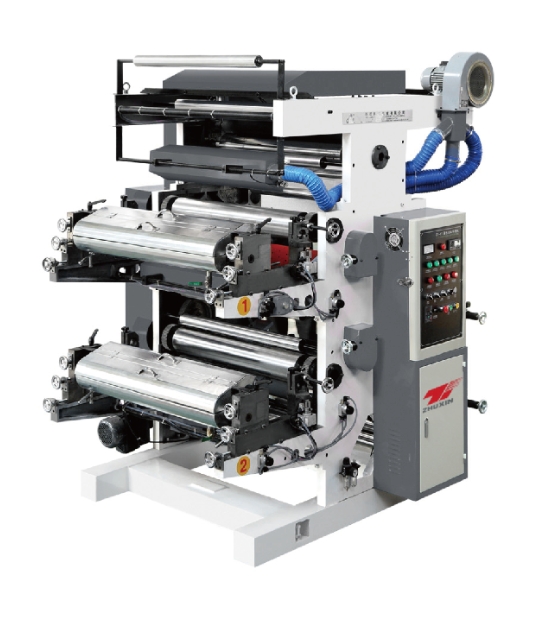
A paper bag machine is a precision piece of equipment that runs thousands of cycles per hour. Glue, paper dust, and heat combine daily to wear down parts, block sensors, and degrade alignment — often slowly enough that nobody notices until output drops or quality fails. The difference between factories that run for years without major breakdowns and those that chase constant repairs is rarely luck. It is maintenance discipline. This guide gives you practical, proven maintenance routines for paper bag machines: daily, weekly, and monthly checklists, the most common problems, and preventive measures that protect your investment and keep your line running at peak performance.
1. Why Maintenance Matters
Every hour of unplanned downtime costs you production, labor, and potentially customers. Consider the math: a square bottom machine producing 150 bags per minute that stops for just one hour loses 9,000 bags of output. Even at a modest profit margin, that is real money — and the failure that caused the stop will likely damage parts, adding repair bills on top.
Neglect also degrades quality gradually: bags with uneven glue lines, misaligned bottoms, or inconsistent lengths quietly increase your reject rate. Many operators fail to notice a rise in waste from 1% to 3%, yet that 2% difference can erase most of the profit on a production run. Regular maintenance is not an expense; it is the cheapest insurance your factory can buy.
2. Daily Maintenance Checklist (15 Minutes per Shift)
Establish a 15-minute routine at the start of each shift:
-
Inspect glue systems: Check glue levels and nozzles. Clogged or dried glue is the single most common cause of bag quality issues. Clean nozzle tips with the manufacturer's recommended solvent.
-
Wipe sensors and photocells: Paper dust accumulates on optical sensors, causing false triggers and missed counts. A lint-free cloth wipe keeps registration and counting accurate.
-
Check paper path: Ensure rolls are loaded squarely, tension is even, and there are no tears or creases at the infeed.
-
Verify folding and creasing rollers: Look for paper residue built up on rollers, which affects fold precision.
-
Listen and observe: Run the machine for two minutes and listen for unusual noises. Check that bags are being counted correctly and stacking evenly.
3. Weekly Maintenance Checklist (30–45 Minutes)
Set aside 30–45 minutes weekly:
-
Clean the machine thoroughly: Use compressed air or a soft brush to remove paper dust from the drive area, gears, and control cabinet (with power off).
-
Lubricate moving parts: Apply grease or oil to the points specified in the machine manual. Over-lubrication attracts dust, so follow the recommended amounts.
-
Check belts and chains: Inspect tension and look for cracks or wear. Adjust or replace as needed.
-
Inspect cutting blades: Dull blades produce ragged edges and increase paper waste. Check blade condition and sharpen or replace if necessary.
-
Test emergency stop and safety devices: These protect your operators — verify they work every week.
4. Monthly and Quarterly Maintenance
Deeper checks keep major failures from happening:
Monthly:
-
Torque check and bolt inspection: Vibrations loosen fasteners over time. Tighten critical bolts on the frame, gluing units, and drive assemblies.
-
Bearing inspection: Check bearings for heat, noise, or play. Replacing a worn bearing costs little; a seized bearing can destroy shafts and gears.
-
Sensor calibration: Re-verify the calibration of registration sensors, counting sensors, and tension controls.
-
Electrical inspection: Check wiring connections, contactors, and motor terminals for signs of overheating or loosening. Have a qualified electrician verify grounding.
-
Pneumatic system check: Drain water from air filters, check pressure regulators, and inspect air hoses for cracks or leaks.
Quarterly:
-
Replace consumables such as glue filters.
-
Review the machine's actual output and waste rates against the baseline from the previous quarter.
5. Common Problems and Quick Fixes
| Problem | Likely Cause | Quick Fix |
|---|---|---|
| Bags sticking together | Excessive glue or wrong glue temperature | Reduce glue volume; adjust temperature |
| Uneven bottom folds | Roller residue or misaligned creasing | Clean rollers; re-align crease wheels |
| Ragged bag edges | Dull cutting blade | Sharpen or replace blade |
| Wrong bag length | Tension variation or registration drift | Re-set tension; recalibrate sensors |
| Bag count errors | Dust on counting sensor | Clean sensor lens |
6. Preventive Practices That Protect Your Investment
Beyond the checklists, adopt these practices:
-
Keep spare parts on hand. Stock the high-wear items recommended by your manufacturer: blades, belts, glue nozzles, and sensors. A $50 spare part that is already in your cabinet can save a day of downtime.
-
Use quality materials. Cheap, dusty paper or inconsistent glue increases wear and waste. Track waste by raw material batch and hold suppliers accountable.
-
Train operators properly. Most machine damage comes from operator error — wrong settings, forcing jammed paper, or ignoring warning signals. A short refresher every few months prevents costly mistakes.
-
Document everything. Keep a maintenance log per machine. Trends become visible: if a bearing fails every six months, investigate the root cause rather than just replacing it.
-
Use manufacturer support. When a problem recurs or is unclear, call the manufacturer's technical team. Most suppliers, including Zhuxin, offer remote diagnostics and lifetime after-sales support — using it is free, and it saves time and money.
Conclusion
Paper bag machine maintenance is not glamorous, but it is the difference between a profitable factory and a frustrating one. Daily checks prevent most quality issues, weekly cleaning keeps the machine precise, monthly inspections catch wear before it becomes breakdowns, and good documentation turns maintenance into a predictable system rather than a series of crises. The result is higher output, lower waste, and a machine that keeps its value for years.
Zhejiang Zhuxin Machinery stands behind its machines long after installation. Every paper bag machine we deliver comes with lifetime after-sales service, full technical support, spare parts supply, and operator training. If you need a maintenance plan, a parts list, or help troubleshooting an issue, our engineers are ready to assist — often remotely, wherever you are in the world. Contact Zhuxin today and keep your production line running at peak performance.