
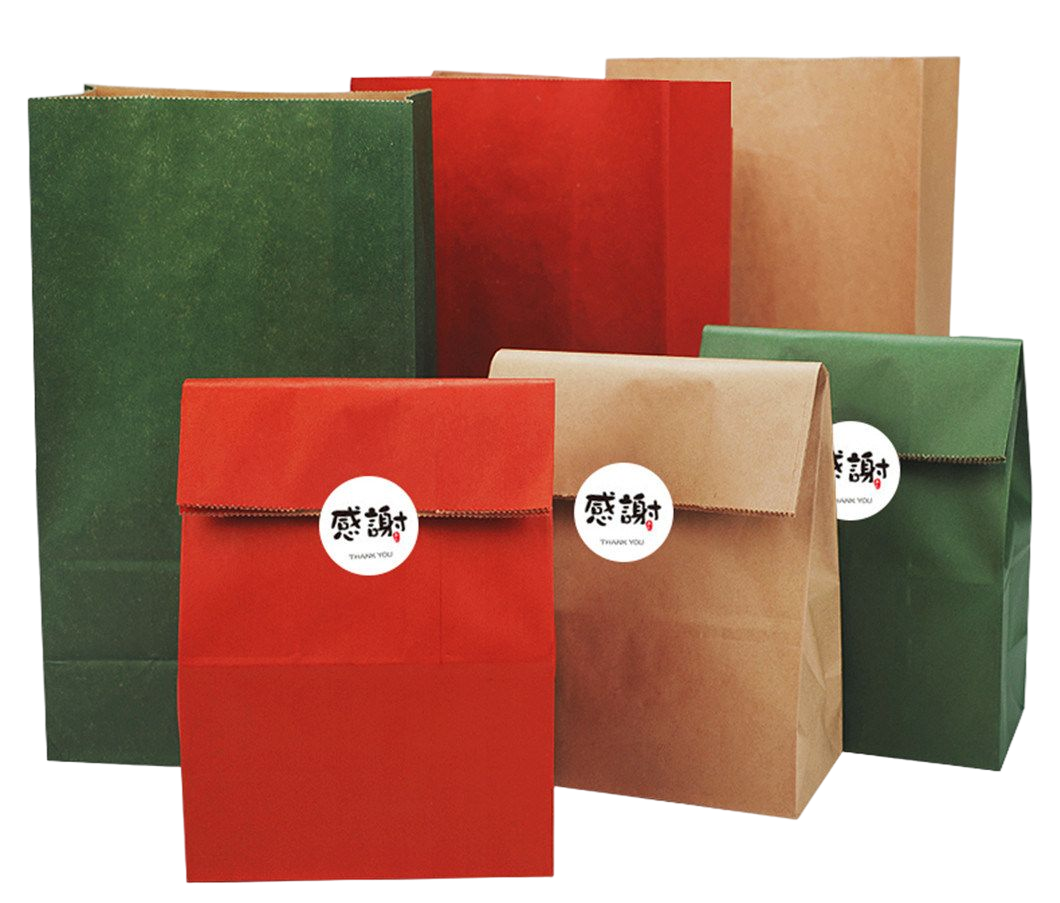
How the Square Bottom Paper Bag Making Machine Achieves Precision One-Time Forming
Synchronized Unit Integration: Web Feeding, Cutting, Gluing, and Bottom Folding in a Single Pass
Square bottom paper bag makers have revolutionized production speeds thanks to their synchronized operation system. The whole thing starts when paper rolls feed continuously through the machine, kept in check by tension controls that prevent wrinkles or tears. Right after this, rotary cutters slice the material into proper lengths while glue applicators work in tandem to apply adhesive exactly where needed on those side seams. What really makes these machines stand out is how the bottom forming happens all at once. Special cams drive mechanisms that create those precise folds and creases for the base, something that used to require multiple separate steps back in the day. When everything works together in one smooth flow from feeding to cutting, gluing and folding, there's no need for constant adjustments between different machines. Manufacturers notice fewer alignment issues and see production numbers go up significantly. The mechanical timing is so spot on that every single fold hits those critical pressure points just right, keeping bag sizes consistent even during marathon production shifts.
Real-World Performance: High-Speed Machines Deliver 220 Bags/Minute with <2mm Dimensional Tolerance
Top performing machines can crank out around 220 bags each minute while keeping size differences below 2mm, which beats older techniques by roughly 40% when it comes to consistent output. The reason for this accuracy lies in their servo driven controls that manage all moving parts precisely, handling everything from how the material moves forward to when folds happen. Special temperature controlled gluing systems make sure things stick together right away without causing any distortion, so those square bottoms stay intact even when running flat out. Getting rid of these extra transfer steps cuts down on error accumulation too, meaning gussets line up within just under 1% most of the time during long production runs. These strict specifications mean stronger bags overall and cut down on wasted materials by about 18% compared to making them in separate sections.
Core Engineering of the Bottom-Making Part for Structural Integrity
Structural integrity in paper bag manufacturing depends on precision-engineered components that maintain dimensional stability under load. The bottom-making system—a critical subsystem in modern paper bag making machines—incorporates two innovations that eliminate traditional failure points while ensuring production consistency.
Dual-Cam Actuated Pre-Folding Mechanism Ensures Consistent Crease Geometry
The system uses two rotating cams that work together to manage those folding arms with really fine control. When the paper moves into the forming area, these cams kick in at just the right moments to make those clean 90 degree folds before the bottom gets sealed. No need for anyone to tweak things manually anymore, and it keeps everything within about half a millimeter accuracy even when running at speeds as high as 220 bags per minute. Bags made this way don't have those weak spots where stress builds up, which is what usually causes failures once they're filled with product. A recent study from Packaging Digest back in 2023 showed that machines with only one cam had almost 23% more problems with their creases lining up properly, and that leads to all sorts of issues when stacking multiple bags on top of each other.
Heat-Sealed Bottom Formation Enhances Rigidity and Squareness Without Adhesive Overlap
Unlike adhesive-based methods, this process applies 180°C heat to thermoplastic-coated paper, melting the coating into a continuous seal across the entire bottom surface. The absence of overlapping glue eliminates thickness variations that compromise structural integrity. Key advantages include:
- Enhanced load distribution: Seamless bonding increases base rigidity by 40% compared to adhesive joints
- Perfect squareness: Automated pressure plates hold the bottom flat during cooling, maintaining <1° deviation
-
Moisture resistance: Thermoplastic seals prevent liquid penetration at seam lines
This method also reduces energy consumption by 28% versus traditional adhesive curing systems, while eliminating VOC emissions from solvents. The result is retail-ready bags that maintain shape under 15kg loads without bulging or seam separation.
Operational Advantages of One-Time Forming vs. Traditional Paper Bag Making Machine Methods
Quantified Gains: 37% Lower Labor Cost and 28% Reduced Energy Use per 1000 Bags
The one-time forming tech brings together several steps of the manufacturing process into one streamlined operation, which cuts down on wasted time and resources. Factory workers report around 37% less labor cost when making 1000 bags because there's no need to stop and start manually between cutting, folding, and gluing tasks anymore. At the same time, factories see their energy bills drop by roughly 28% compared to old school methods since machines aren't constantly stopping and starting or sitting idle waiting for parts. The main reason behind these savings? Those fancy synchronized servo motors that distribute power just right and cut out all that extra back and forth with materials. A company cranking out half a million bags each month could save something like $8,400 every month without changing how many products they make.
Retrofit Feasibility: Integrating Square Bottom Capability into Existing Paper Bag Making Machine Lines
Modern square bottom modules feature standardized mounting interfaces compatible with 89% of semi-automatic paper bag making machine systems manufactured after 2018. Retrofitting requires only 3–5 days of installation downtime and focuses on three core components:
- Bolt-on bottom folding assemblies with adjustable crease depth (2–15mm)
- Infrared curing systems replacing traditional adhesive drying tunnels
- PLC control upgrades for seamless synchronization
This modular approach preserves 85–92% of original equipment value while enabling premium square-bottom bag production. Manufacturers avoid $120,000–$250,000 capital expenditures for new lines, achieving ROI within 14 months through expanded product offerings and reduced waste (¥4% material variance versus 9–12% in traditional setups).
FAQ
Q1: How does the synchronized operation system in square bottom paper bag machines improve production?
A1: The synchronized operation system integrates different processes like feeding, cutting, gluing, and folding in one continuous workflow, which reduces the need for manual adjustments and enhances alignment accuracy, leading to higher production speeds.
Q2: What are the advantages of servo-driven controls in these machines?
A2: Servo-driven controls manage all moving parts with precision, ensuring accurate material movement and folding, which leads to better consistency in bag dimensions and lower material wastage.
Q3: Why is the heat-sealed bottom formation method preferred over adhesive-based methods?
A3: The heat-sealed method enhances rigidity and squareness of the bag's base without overlap issues, reduces energy consumption, and prevents moisture penetration, which promotes long-term durability of the bags.
Q4: Can existing paper bag machines be upgraded with square bottom capabilities?
A4: Yes, modern square bottom modules can be retrofitted to most semi-automatic machines manufactured after 2018, allowing manufacturers to add square-bottom capabilities without significant new investments.