
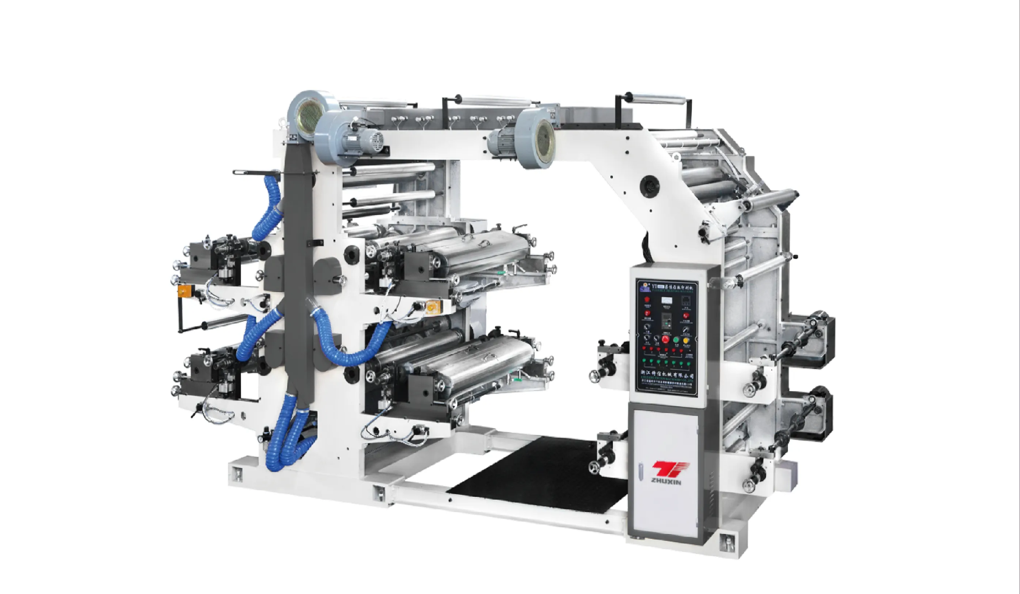
Why PLC Control Is Essential for Modern Paper Bag Machines
Real-Time Precision and Consistent Bag Formation
Paper bag manufacturing really benefits from PLC (Programmable Logic Controller) systems because these controllers can time all the machine movements down to fractions of a second. The result? Glue gets applied evenly, folds stay within half a millimeter tolerance, and heat stays consistent even after running for hours on end. Manual operations tell a different story, though. People just aren't as consistent as machines when it comes to making bags. Studies show that human workers create about 15 to 20 percent variation in size measurements, whereas PLC-controlled equipment hits around 99.2 percent accuracy, according to what most packaging companies report. These systems work through something called closed-loop feedback that keeps adjusting motor speeds and sensor readings while the machine is actually running at full speed. This helps prevent those frustrating jams and feed problems that slow everything down. Better precision means less wasted materials, too, cutting down on waste by roughly 18 percent. And this matters a lot for bakeries and other food producers who need their packaging to fit exactly right. Even a small difference of 2mm in width can mess up automatic filling processes, which leads to expensive delays nobody wants.
Scalability, Diagnostics, and Future-Proofing Through Modular PLC Architecture
Paper bag machines get a whole new lease on life when equipped with modular PLC systems, thanks to those handy plug-and-play expansion slots. Production managers find themselves able to slot in fresh components like inspection cameras or RFID taggers without having to junk the whole control unit. This saves companies around 40% on upgrades versus traditional fixed control setups. The built-in diagnostics are pretty impressive too. They catch problems ranging from overloaded motors to sensors out of alignment within seconds flat. Troubleshooting times drop dramatically, maybe as much as 70% in some cases. And let's not forget remote monitoring capabilities. Techs can watch how things are performing over time and spot potential issues before they become big headaches. Annual machine uptime goes up roughly 25% because of this proactive approach. Another major plus point? These modular systems handle firmware updates for all those new Industry 4.0 protocols coming down the pipeline. That means smooth sailing when connecting with IoT production analytics while staying ahead of the curve on safety regulations such as ISO 22000 requirements.
Touch Screen HMI: Intuitive Control and Real-Time Oversight for Paper Bag Machines
User-Centric Operation: Simplified Setup, Recipe Management, and Fault Visualization
Paper bag machines these days come with touch screens that make complicated processes much easier to handle. The operators can set up things like bag sizes, where the glue goes, and what kind of materials to use through simple drag-and-drop menus on the screen. This actually cuts down on manual adjustments by around 60 percent compared to older methods. There are also recipe books built into the system that remember all sorts of different bag setups. Switching from making bakery bags to regular grocery sacks takes less than half a minute now, thanks to these stored configurations. If something goes wrong during production, like when paper gets stuck or the glue isn't working right, the machine's display lights up with colored warning areas and shows step-by-step videos to fix the problem. These visual diagnostic tools save about 40% of the time it would take with traditional controls, meaning less training for new workers, and keep product quality consistent throughout the day shift to night shift transitions.
Seamless HMI–PLC Integration for Responsive, Error-Resistant Production
Modern HMIs stay constantly connected to PLC systems, creating what many call an integrated control setup. All sorts of sensor readings like paper tension levels and motor torque measurements go straight to the HMI screen, letting technicians adjust settings on the fly as things run. Take folding mechanisms, for instance. Operators can tweak these components mid-operation, and most adjustments take effect within about 100 milliseconds through those PLC relay commands. The whole system actually works ahead of problems, too. When there's a change in glue thickness, the PLC senses it and adjusts pump pressure automatically before any real issues show up. These improvements make a big difference in practice. Plants typically see around 35% fewer unexpected stoppages, plus they save roughly 200 kilograms worth of materials each day during regular shifts. And all this happens even when machines are cranking out over 120 bags every minute.
Precision Automation: Servo Motor Synchronization in Smart Paper Bag Machines
High-Speed, Repeatable Motion Control for Folding, Sealing, and Cutting
Digitally coordinated servo motors enable unprecedented precision in critical forming operations—folding, sealing, and cutting—delivering ±0.2 mm positioning accuracy across multiple axes. Unlike mechanical systems, this synchronization eliminates dimensional drift at speeds exceeding 120 bags per minute. Key advantages include:
- Material Waste Reduction: Synchronized motion minimizes misalignment during complex sequences, reducing waste by approximately 18% compared to manual methods.
- Adaptive Sealing: Intelligent motor systems adjust sealing pressure and temperature dynamically based on paper thickness and line speed, ensuring leak-proof closures.
- Tension Management: Integrated feedback loops maintain optimal paper tension during high-velocity feeding, preventing tears or wrinkles in kraft stock.
This closed-loop architecture supports real-time corrections during rapid direction changes—guaranteeing consistent bag geometry and structural integrity. The elimination of mechanical backlash and slippage translates directly to fewer jams, higher throughput, and lower operational costs.
ROI of Smart Paper Bag Machines: Efficiency, Uptime, and Total Cost of Ownership
When looking at smart paper bag machines, it's important not just to check what they cost initially but also consider their total cost over time. Automation really pays off here in the long run. According to industry reports, companies using these automated systems save around 60% on labor costs because so much work gets done automatically. Plus, those fancy sensors help keep material waste down to about 3 to 5 percent compared to the 15 to 20 percent wasted when people do everything manually. Another big plus is predictive maintenance technology that works behind the scenes. This stuff cuts unexpected breakdowns by roughly 80%, which means production lines can keep running fast without stopping too often. Traditional machines might only manage around 500 bags per hour, but smart ones push past 2,000 bags an hour regularly.
| Cost Factor | Traditional Methods | Smart Paper Bag Machines |
|---|---|---|
| Labor Costs | $45/hour | Reduced by 60% |
| Material Waste | 15–20% | 3–5% |
| Energy Consumption | Standard | 30% reduction |
| Production Speed | 500 bags/hour | 2,000+ bags/hour |
| Maintenance Downtime | 15 hours/month | <3 hours/month |
The benefits actually translate into real money saved: for most businesses, the investment pays itself back in around 18 to 24 months. Productivity typically jumps anywhere from triple to quadruple what it was before, and defects drop off dramatically, sometimes as much as 95%. When we look at annual energy savings, they usually range between 25% and 35%, which adds up over time. There's also something called sustainability premiums to consider these days. Companies selling in green markets can often charge 10 to 15% more for their products simply because customers are willing to pay extra for environmentally friendly options. This creates entirely new income opportunities. Instead of focusing only on upfront costs, smart manufacturers who think about total cost of ownership find ways to transform those frustrating production slowdowns into real competitive edges that grow stronger with time.
FAQ
What is a PLC system and why is it important for paper bag machines?
A PLC or Programmable Logic Controller is essential for paper bag machines as it ensures real-time precision, fewer operational errors, and material waste reduction, improving efficiency in the bag production process.
How do modular PLC systems benefit paper bag machines?
Modular PLC systems offer scalability and flexibility, allowing easy integration of new technologies and components, like RFID taggers, enhancing productivity and reducing upgrade costs.
What role does a touch screen HMI play in these machines?
The touch screen HMI simplifies the operation of paper bag machines with user-friendly interfaces, reducing manual adjustments and allowing quick transitions between different bag configurations.
How do servo motors improve bag machine operations?
Servo motors provide precise, repeatable motion control for key processes like folding and sealing, ensuring consistency and reducing material waste.
What financial benefits do smart paper bag machines offer?
Smart machines significantly reduce labor and material costs, improve production speeds, and minimize downtime, leading to faster return on investment and new revenue opportunities in sustainable markets.
Table of Contents
- Why PLC Control Is Essential for Modern Paper Bag Machines
- Touch Screen HMI: Intuitive Control and Real-Time Oversight for Paper Bag Machines
- Precision Automation: Servo Motor Synchronization in Smart Paper Bag Machines
- ROI of Smart Paper Bag Machines: Efficiency, Uptime, and Total Cost of Ownership
- FAQ