
Understanding the Need for Size Flexibility in Paper Bag Making Machines
Rising Demand for Customizable Packaging Solutions
Businesses today need packaging that can handle all sorts of different product sizes. A recent study found that nearly seven out of ten brands are focusing on adaptable packaging options to cut down on wasted materials (Packaging Insights reported this back in 2023). The latest paper bag manufacturing equipment comes equipped with adjustable settings that let factories churn out tiny cosmetic sample bags alongside those massive shopping sacks customers drag home after big purchases. This kind of versatility matters a lot for online retailers specifically since getting the right size makes packing orders much easier. Plus there's the environmental angle too. When companies keep producing tons of one-size-fits-all bags, they end up generating around 12 percent of all retail packaging trash according to industry data.
Shift Toward On-Demand and Small-Batch Production Trends
The latest industry data from 2023 shows something interesting happening in packaging manufacturing right now. About 62% of companies are dealing with smaller monthly orders these days, typically below 5,000 units. This has created a real need for machinery that can switch between different products quickly, ideally within 15 minutes or so. Modular systems have become game changers here, allowing factories to move seamlessly from making tiny 3 inch by 5 inch gift bags to larger 18 inch by 24 inch grocery style packages without any downtime. These systems make it possible to run special promotions during holidays or launch products tailored to specific regions. And the cost savings? Pretty substantial too. Companies using this approach report cutting their inventory expenses by around 23% when compared to old fashioned batch production methods, as various lean manufacturing reports have noted over recent years.
How Adjustable Settings Enable Multi-Size Production in Paper Bag Making Machines
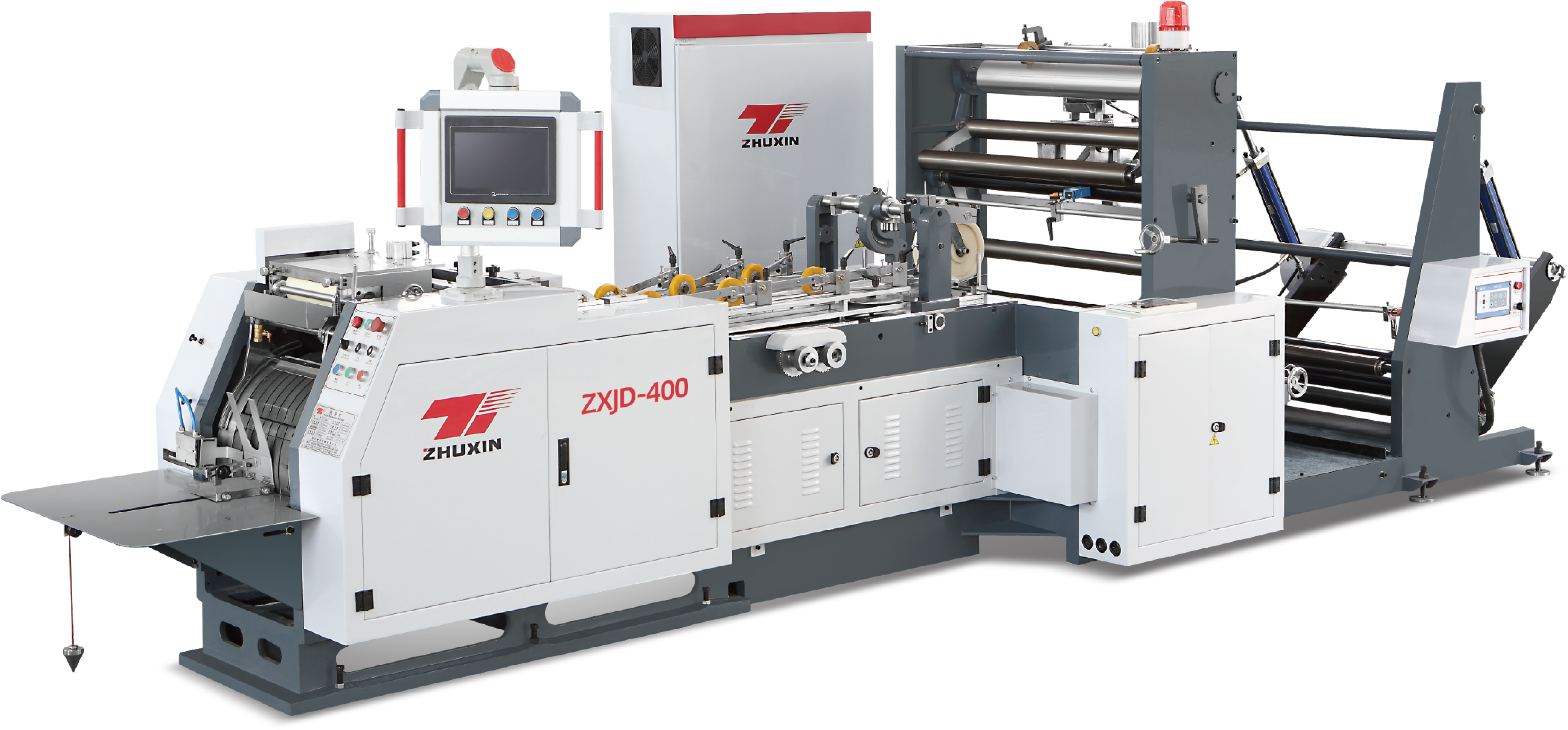
Modern paper bag making machines achieve multi-size production through three integrated systems: adjustable molds, automated controls, and real-time quality assurance. Together, these components allow manufacturers to meet varied packaging demands efficiently and accurately.
Principle of Adjustable Molds and Tooling for Size Variation
Adjustments made mechanically at several critical points throughout the production line give manufacturers flexibility when it comes to sizing options. At the tube forming station specifically, operators swap out different forming plates depending on what bag width is needed ranging anywhere between 100 millimeters all the way up to 600 millimeters wide. For depth adjustments there are special gusset wheels which can handle changes down to just 5 millimeter increments making very precise modifications possible. When looking at bottom folding mechanisms we find sliding clamps that work well for creating various base shapes including standard flat bottoms but also square shaped bases or even those distinctive V-shaped bottoms commonly seen in certain packaging applications. The equipment includes graduated scales too that really cut down on mistakes people might make when measuring things manually during changeovers. These little touches actually make a big difference in how accurate setups become across different configuration requirements.
Role of PLC and HMI in Precision Bag Dimension Control
PLCs handle axis movement with around 0.2mm repeatability, turning digital specs into actual machine adjustments on the factory floor. The HMI screens have memory slots for more than 50 different bag configurations, so when production needs change, operators can swap out formats in less than three minutes flat. Some of the newer machines come equipped with servo driven actuators that move molds and sealers automatically according to pre set measurements. This means no more fiddling with calipers for standard sizes, which saves time and reduces errors during setup changes.
Real-Time Monitoring for Consistent Dimensional Accuracy
The infrared sensors work alongside machine vision cameras to keep track of twelve key factors such as bag dimensions (length and width) plus proper positioning of those little gussets we all know so well. These systems check their readings against target values no fewer than 200 times every single second. If something goes off track even slightly - just half a millimeter out of place - then the machinery gets smart about it and makes necessary changes either to how fast materials are fed through or where certain parts need to be positioned. What does this mean practically? Well, companies report seeing around an 87 percent drop in sizing issues when switching from old fashioned manual checks. And despite all these corrections happening behind the scenes, factories still manage to churn out products at impressive rates, sometimes hitting speeds of 120 individual bags manufactured each minute without breaking stride.
Evaluating Size Range Capabilities: Standard vs. Extended Configurations
Technical Specifications: What Defines a Wide Adjustment Range?
Size flexibility in modern paper bag making machines is determined by three core technical parameters:
- Adjustment increments (±0.5 mm precision in advanced models)
- Tolerance range (Up to 300% variance in bag height/length ratios)
- Tooling compatibility (Modular components supporting 18+ bag configurations)
Industry standards classify machines achieving 85% coverage across common commercial sizes (4"x6" to 12"x20") as having "wide adjustment" capabilities. Premium models cited in the Flexible Packaging Report (2023) demonstrate 92% material utilization efficiency when switching between 14 predefined size presets.
Controversy Analysis: Can One Machine Handle All Bag Sizes Effectively?
While some manufacturers promote universal adaptability, performance data reveals trade-offs:
| Capability | Standard Configuration | Extended Configuration |
|---|---|---|
| Minimum bag width | 3.5" | 2.8" |
| Maximum throughput | 120 bags/min | 85 bags/min |
| Size changeover time | 8–12 minutes | 15–20 minutes |
The Sustainable Packaging Coalition reported back in 2023 that machines built to handle almost all market size requirements actually cost about 18% more to maintain compared to those made for specific ranges, especially when dealing with thicker recycled stuff. These so called universal machines tend to wear out faster because they're stretched too thin mechanically speaking. If companies want the best outcomes from their equipment investments, they should really think about matching what their machines can do with actual production demands. The wide range options work pretty well for smaller batches under 500 items typically, but when it comes to running large volumes of one particular size, nothing beats having a dedicated machine for that job specifically.
Producing Diverse Bag Types: From Flat to V-Bottom with High Flexibility
Advancements in engineering have enabled modern paper bag making machines to achieve 83% faster style transitions compared to 2020 models (Packaging Trends 2024), allowing rapid response to shifting market demands without sacrificing output quality.
Adapting to Different Bag Styles Without Major Reconfiguration
Switching from flat bottom grocery bags to those reinforced V-bottom pouches takes less than eight minutes thanks to servo driven tooling systems. What makes this possible? Well, there are these interchangeable forming plates that maintain a tight tolerance of plus or minus 0.3mm. Plus we've got pre set folding sequences ready for over 18 different bag types, along with glue heads that automatically adjust themselves to match whatever crease pattern is needed. This means saying goodbye to those old fashioned mechanical setups that used to take anywhere from two to three hours. Bakeries can now roll out new holiday packaging designs right alongside their regular production runs without having to shut down operations completely during a shift change.
Balancing High-Speed and High-Variety Production Demands
Top-tier machines now sustain speeds of up to 160 bags/minute with defect rates below 2%, even across mixed production runs. Real-time tension control maintains material integrity when transitioning between lightweight (<40 GSM) gift bags and heavy-duty (>90 GSM) industrial carriers. Modern PLC architectures support dynamic management of multiple parameters:
| Production Parameter | Flat-Bottom Bags | V-Bottom Bags |
|---|---|---|
| Speed Range | 120–160 bags/min | 80–110 bags/min |
| Glue Consumption | 4–6 g/m | 8–12 g/m |
| Material Waste | 1.2–1.8% | 2.1–3.4% |
Operators can select production modes to prioritize speed or variety, consistently achieving OEE (Overall Equipment Effectiveness) scores between 82% and 89% in hybrid manufacturing environments.
Optimizing Efficiency: Reducing Changeover Time in Flexible Bag Manufacturing
Rapid changeover capabilities are central to modern paper bag making machines, with advanced systems reducing adjustment periods from hours to minutes. This improvement addresses the industry's need to reconcile small-batch customization with scalable production efficiency.
Strategies for Fast Format Changes Using Programmable Settings
The best modern machines now combine PLC systems with stored tool settings, so size changes happen with just one button press. When these dimensional specs are saved on the HMI interface, workers don't need to fiddle around recalibrating everything manually. They simply toggle between different formats like flat packs, those with V-shaped bottoms, or even the ones with extra reinforcement at the sides. And because of modular dies, there's hardly any need for hands-on work anymore. Most format switches, maybe around 90 percent or so, get done through simple software instructions instead of wrenches and measuring tools.
Case Study: Multi-Size Output Performance
One major manufacturer from China recently overhauled their line of paper bag machines by incorporating automated width sensors along with servo driven alignment systems throughout the production process. The new setup cut down on changeover times by nearly two thirds when compared to older versions of the equipment. At the same time, they managed to keep dimensional accuracy within less than 25 microns across more than fifteen different bag sizes. A single plant saw its yearly production jump by thirty percent simply because they could better schedule those tricky small batch orders. These kinds of improvements show just how much difference smart engineering choices can make for businesses looking to stay competitive while handling diverse customer demands.
FAQ Section
Why is size flexibility important in paper bag making machines?
Size flexibility allows manufacturers to produce various bag sizes, which is crucial for reducing waste and meeting varied demands of products and retailers. It enhances efficiency and adaptability in production.
How do modern machines achieve size flexibility?
Modern paper bag machines use adjustable molds, PLC systems, and real-time monitoring systems to allow seamless transitioning between different bag sizes with precision and speed.
Are universal machines cost-effective?
Universal machines can handle a wide range of sizes but may incur higher maintenance costs and tend to wear out faster. They are most effective for smaller batch sizes but require careful consideration regarding investment versus production needs.
Table of Contents
- Understanding the Need for Size Flexibility in Paper Bag Making Machines
- How Adjustable Settings Enable Multi-Size Production in Paper Bag Making Machines
- Evaluating Size Range Capabilities: Standard vs. Extended Configurations
- Producing Diverse Bag Types: From Flat to V-Bottom with High Flexibility
- Optimizing Efficiency: Reducing Changeover Time in Flexible Bag Manufacturing
- FAQ Section