
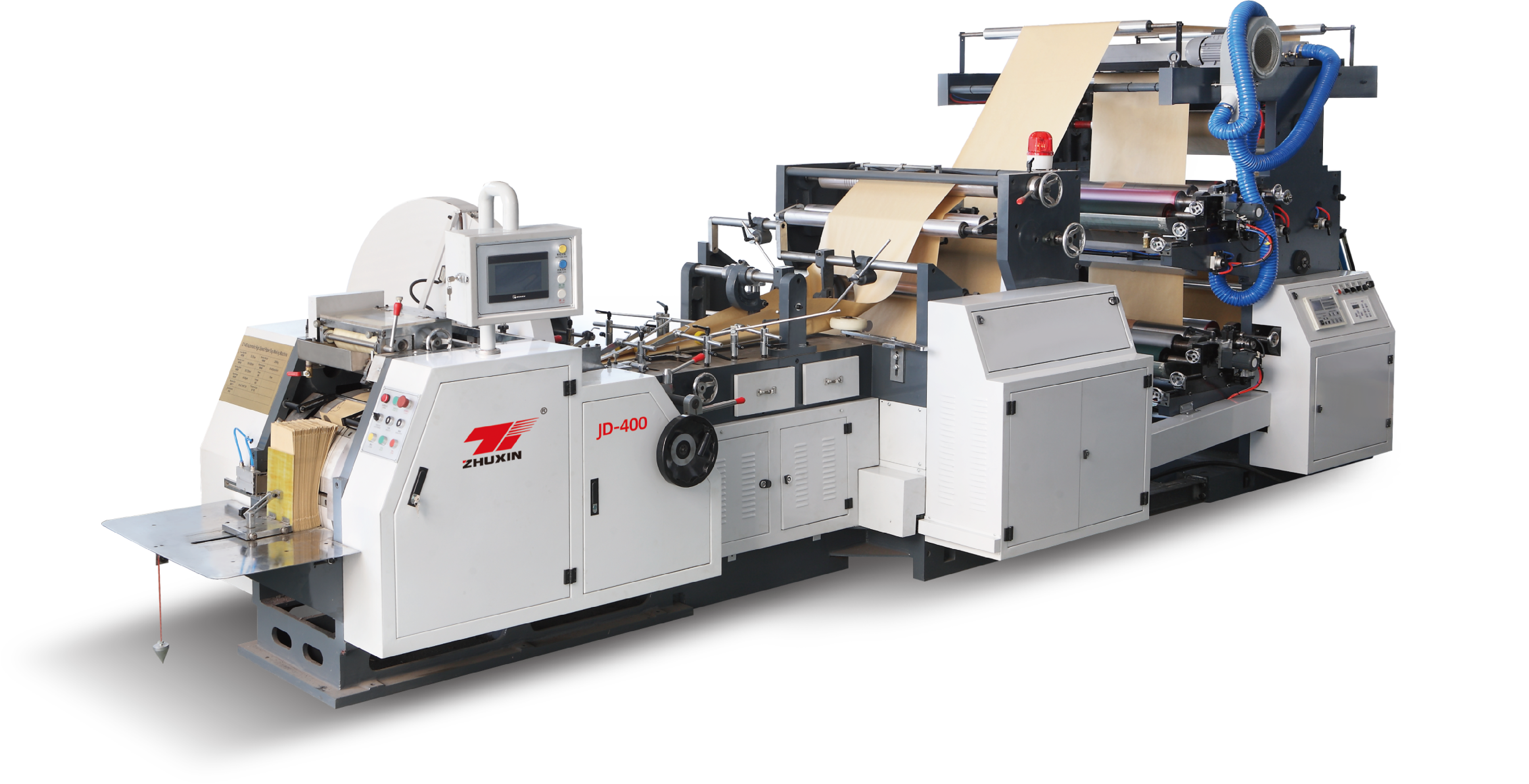
How Automation Transforms Paper Bag Production for the Food Industry
Rising Demand for Fully Automatic Operation with PLC Control in Food Packaging
More and more food producers are turning to automated solutions for their paper bag manufacturing needs. According to recent industry data from Packaging Trends Report 2023, around 8 out of 10 packaging experts now see PLC systems as must-have equipment for getting things done efficiently. These programmable logic controllers basically take over the whole process, cutting down on the need for hands-on work which means fewer mistakes overall. Statistics suggest these systems can slash human errors by nearly two thirds, plus they help maintain those tough food safety requirements that everyone has to follow. For bakeries running at full capacity, where every bag needs to look exactly the same and no foreign substances should ever get mixed in, machines controlled by PLC technology just work better than anything else out there when it comes to both dependability and fine detail control.
Principle of Automation: Enhancing Output Consistency and Production Speed
When it comes to automation, it really makes a difference in standardizing those important steps like applying glue and getting folds just right. We're talking about keeping things within a tight margin of error around 0.5mm even when running thousands of units. The servo driven feeders work pretty cleverly by matching the paper roll speed with each stage of forming, which means factories can crank out around 200 bags every single minute now. That's way better than what semi automatic machines could do back in the day. And let's face it, nobody wants their fancy pastries leaking oil all over the place or deli meats getting soggy in transit. These precise seals actually save money because fewer products get damaged on the way to stores, so there's less waste overall.
Integration of Touchscreen Interface and Servo Motor Control in Modern Machines
The latest generation of paper bag machines comes equipped with central touchscreens where operators can tweak bag sizes or glue patterns within about half a minute. When combined with servo motors, these setups offer on the spot torque changes that handle differences in kraft paper thickness without stopping the line. The whole system cuts down switching time between products by roughly two thirds, making it possible to switch from cupcake sleeves to baguette bags effortlessly while still keeping product quality steady throughout the process.
Case Study: High-Speed Performance in Food-Grade Bag Production
Looking at data from 2023, one major Chinese manufacturer showed off an impressive automated system capable of cranking out around 22,400 bakery bags every single hour, with almost perfect seal integrity at 99.98%. What really stands out is how this machine handles tension through its PLC controls, which keeps paper from tearing even when running nonstop day after day. Plus there are those infrared sensors that catch any bag with glue misaligned more than 0.3mm and send them right back down the line for fixing. These kinds of results explain why bakeries across Europe have started gravitating toward these machines, especially in regions known for their artisanal bread traditions. The ability to handle small batches with custom specifications plus meet strict FDA material requirements makes all the difference for European bakers who need both quality and compliance without sacrificing production speed.
Customized Paper Bag Solutions for Bakery and Food Packaging Needs
Modern bakeries and food producers require packaging that adapts to diverse product shapes and sizes while meeting food safety regulations. Automatic paper bag making machines meet these demands through precision engineering and flexible configurations.
Variable Bag Size Customization for Bread, Pastries, and Other Foodstuffs
With servo driven systems, operators can easily adjust bag sizes from 150 to 450 mm long and 80 to 250 mm wide right from the touchscreen interface. What makes these systems so valuable is their ability to handle all sorts of tricky packaging jobs. Think about those crusty baguettes that need extra space, delicate macarons that must stay intact, or greasy snacks that tend to stick together. No need to switch tools manually anymore. According to recent industry reports, around 78 percent of bakeries that have switched to automated packaging equipment actually cut down on material waste because they get the sizing just right. This not only helps save money but also contributes to greener operations overall.
Design Flexibility and Sizing Options Using Automatic Paper Bag Making Machines
The programmable folding units combined with adjustable glue settings make it possible to create various bag designs including flat bottom, V-fold, and those with gussets. Most operators find they can easily switch between different handle options like twisted paper handles or die cut versions, plus get decorative edge seals done in around 5 to 10 minutes depending on setup. What makes this system really valuable is how it caters to local tastes across regions. Some areas prefer the clean look of Scandinavian style packaging while others go for the colorful Mediterranean prints we see so often. Despite these aesthetic variations, the bags still hold up structurally without compromising quality during transport or storage.
Matching Bag Specifications to Product Requirements: From Loaves to Deli Items
Kraft paper rated between 70 to 120 grams per square meter has become the norm these days when packaging oily baked goods and cured meats, thanks to those special grease resistant coatings they've added. The manufacturing process uses automated systems to check how strong the seams are, looking for at least 2.5 Newtons of force needed to peel them apart over 15mm, while also measuring oxygen levels which should stay below 15 cubic centimeters per square meter each day to keep things fresh longer. When dealing with moisture heavy items such as artisan cheeses though, manufacturers switch to water based glues that hold up much better during repeated trips in and out of cold storage without the risk of peeling away from the package.
Core Features of Automatic Paper Bag Making Machines: Efficiency, Precision, and Control
Modern automatic paper bag making machines integrate intelligent technologies to deliver three core benefits: operational efficiency, manufacturing precision, and user-friendly control—directly addressing the food industry's need for hygienic, high-speed packaging.
Servo-Driven Systems and Automated Forming for High-Precision Output
With servo motors, we're talking about achieving around 0.2 mm precision during those critical cutting and folding steps, which beats what old school mechanical setups can manage. These motors work together digitally across as many as eight different axes, keeping everything lined up properly through all sorts of complicated forming processes. According to Packaging Tech Review from last year, this kind of synchronization cuts down on wasted materials by roughly 18 percent when compared against manual techniques. The feeding systems built into these machines do a great job controlling how tight or loose the kraft paper stays on its rolls. This means consistent results come out the other end, even when running hot at over 120 bags every single minute straight through production runs.
Edge Glue Application and Sealing Techniques for Durability and Food Safety
The precision nozzles work by applying food grade hot melt adhesive, adjusting the viscosity as needed depending on how thick the paper is between 40 and 200 grams per square meter. What this means for actual bakery bag production is stronger seals that won't leak, all while meeting those important FDA requirements listed under 21 CFR section 175.105. When it comes time to seal these bags, manufacturers can choose between traditional heat sealing techniques or newer ultrasonic approaches. Either method gets the job done with peel strength ratings around 3.5 Newtons per 15 millimeters. That's plenty strong enough to keep even the heaviest pastry fillings securely inside without making the packaging impossible to recycle later on.
Real-Time Monitoring via Touchscreen Interface for Operational Efficiency
Operators manage production through 15″ industrial touchscreens displaying live metrics including glue temperature (120–160°C optimal range), motor torque deviations (±5% tolerance), and output counts with defect tracking (industry benchmark ‹0.4%). The interface includes predictive maintenance alerts, which detect early signs of servo motor stress or adhesive blockages, reducing unplanned downtime by 37%.
From Raw Material to Finished Bag: The Automated Manufacturing Process
Selection of Food-Safe Kraft Paper and Roll Paper Feeding Systems
Production begins with food-grade kraft paper (80–120 GSM) certified under FDA and EU food contact regulations. Automated feeding systems ensure uninterrupted material flow, eliminating pauses caused by manual roll changes. Tension sensors maintain precise alignment throughout unwinding, reducing paper tears by up to 92% compared to semi-automatic setups (Packaging Technology Review 2024).
Step-by-Step Formation: Cutting, Folding, and Tube Shaping
Rotary blades guided by servo motors cut sheets to ±0.5 mm accuracy, while hydraulic arms fold edges into uniform tubes. PLC-controlled folding mechanisms improve structural consistency by 78%, according to a 2023 study—essential for protecting fragile bakery items like croissants and muffins during handling and transport.
Bottom Folding, Gluing, and Leak-Proof Sealing Methods
The heat activated adhesives form really good bottom seals that keep air out, and operators can tweak the application rate right from the touchscreen between roughly 40 to 100 grams per square meter. Before anything hits the market, these fancy machines run what they call simulated leak tests that basically mimic 12 straight hours of being submerged in liquid. This kind of testing makes all the difference when packing greasy stuff like those sliced meats from the deli counter. These systems crank out anywhere from about 95 to 120 bags every single minute while keeping those folds intact without any issues. For big bakeries running multiple production lines at once, this equipment just makes sense because it handles volume without breaking a sweat.
Quality Assurance in Automated Paper Bag Production for Food Compliance
Automated Sensors and Feedback Loops for Real-Time Quality Control
The integrated sensing systems keep an eye on all stages during production to maintain those critical food safety standards. Vision cameras spot tiny holes and irregular glue lines that might otherwise go unnoticed. Weight sensors check if materials are dense enough as required. Pressure feedback continuously adjusts sealing temps in real time. And then there are those infrared scanners that catch any potential contaminants right before the bags actually form. These systems process around 500 data points each second according to the Food Packaging Safety Report from 2023, which means they cut down defects by about two thirds when compared with old fashioned manual checks. This level of automation makes sure everything meets FDA standards regarding both moisture resistance and how well the packaging holds together under stress.
Balancing High-Speed Production with Structural Integrity and Safety
When it comes to balancing speed and quality in production, automation brings three major improvements to the table. First, tension controlled unwinding systems stop paper from tearing even when machines are running at over 150 bags per minute flat out. Second, smart maintenance software cuts down surprise breakdowns by almost 90% during long production shifts. And third, there's this clever dual stage check system that looks at both the edges and bottoms of each bag at the same time. Bakery staff get instant warnings via colorful displays on their touch screens whenever something goes off track. This means bakeries can grow their operations without sacrificing safety standards, staying within all those strict EU rules about what touches food products under regulation 1935/2004.
FAQ
What are the main benefits of using automated paper bag making machines for food packaging?
Automated paper bag making machines offer increased efficiency, precision, and control. They help reduce human errors, maintain high-speed production, adapt to various product sizes, and ensure adherence to food safety regulations.
How does automation improve consistency in paper bag production?
Automation standardizes critical production steps like glue application and folding, maintaining precise margins of error and allowing for high-speed production. This results in fewer defects and consistent quality.
What is the role of PLC systems in automated paper bag manufacturing?
PLC systems automate processes, minimize hands-on work, reduce human errors, and help maintain stringent food safety standards. They control machinery for consistent and reliable production outcomes.
How do servo-driven systems contribute to the efficiency of paper bag production?
Servo-driven systems provide precision cutting and folding, reduce switching times between products, and ensure tight control over the production process. These systems contribute to significant waste reduction and consistency in output.
What measures are taken to ensure food safety in automated paper bag production?
Automated systems use food-safe kraft paper, perform real-time quality checks via sensors, and adhere to regulations like FDA and EU guidelines. They also employ tests and feedback loops to ensure compliance and integrity.
Table of Contents
- How Automation Transforms Paper Bag Production for the Food Industry
- Customized Paper Bag Solutions for Bakery and Food Packaging Needs
- Core Features of Automatic Paper Bag Making Machines: Efficiency, Precision, and Control
- From Raw Material to Finished Bag: The Automated Manufacturing Process
- Quality Assurance in Automated Paper Bag Production for Food Compliance
-
FAQ
- What are the main benefits of using automated paper bag making machines for food packaging?
- How does automation improve consistency in paper bag production?
- What is the role of PLC systems in automated paper bag manufacturing?
- How do servo-driven systems contribute to the efficiency of paper bag production?
- What measures are taken to ensure food safety in automated paper bag production?