
Why Servo Control Is Essential for ±0.5 mm Bag Length Accuracy in Paper Bag Making Machines
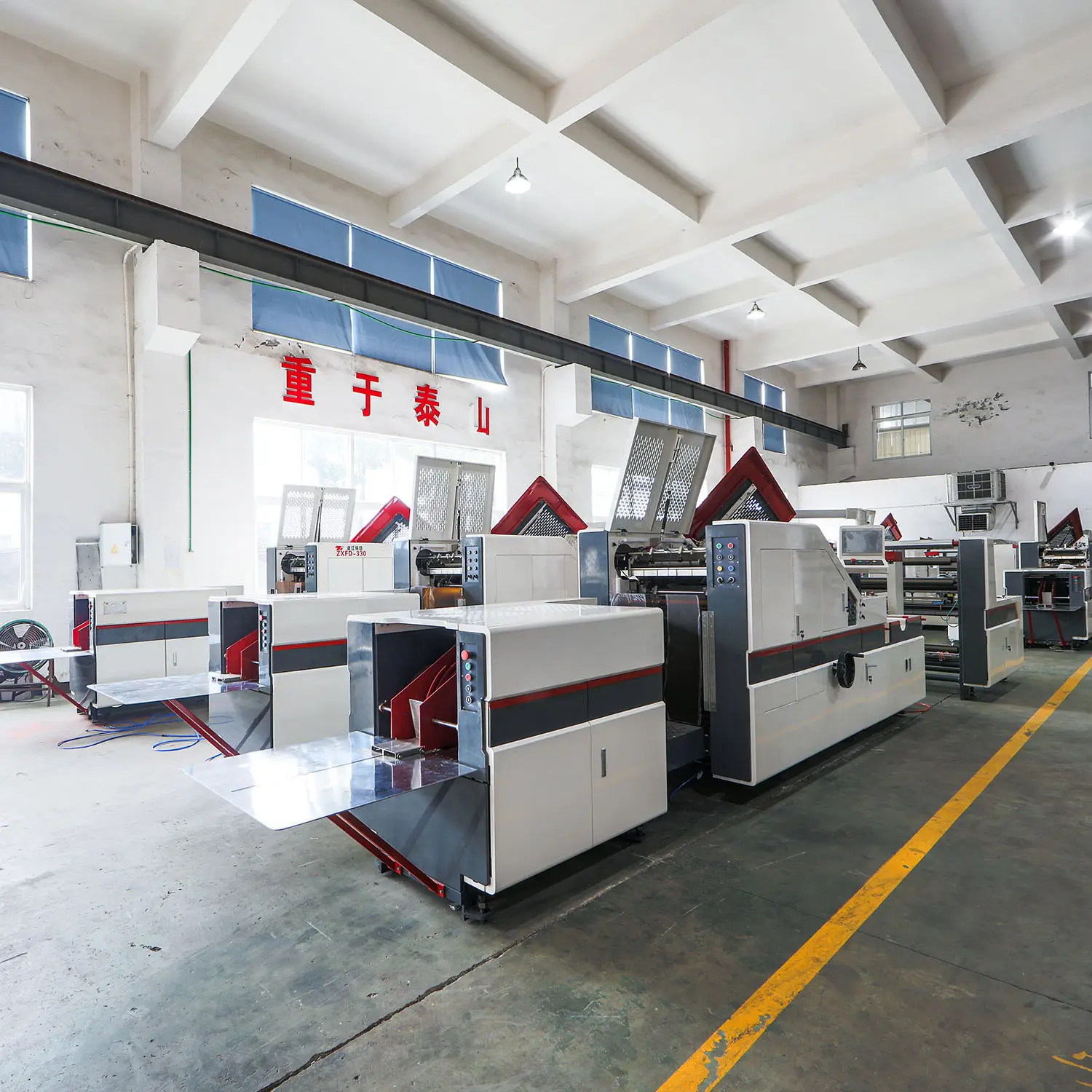
Achieving consistent bag length within ±0.5 mm is critical for minimizing material waste and ensuring packaging functionality. Servo control systems deliver this precision through closed-loop feedback mechanisms—absent in traditional mechanical drives—that continuously correct positioning errors in real time.
How Closed-Loop Servo Feedback Eliminates Mechanical Drift in High-Speed Bag Formation
When running at speeds above 200 bags per minute, traditional mechanical systems start to develop positioning problems because belts stretch over time, gears create backlash, and components expand when heated. The newer servo-driven paper bag machines fight these issues through real-time corrections. They use high-resolution encoders to keep track of where everything is moving, and smart PLC controllers constantly tweak both torque and speed settings so things stay aligned properly. According to the Packaging Efficiency Quarterly from last year, this kind of feedback system cuts down on drifting measurements by around 93% compared to older open loop approaches. What does that mean for actual production? Bags come out consistently sized whether the line is cranking along fast or slow, even when working with different materials that might behave unpredictably.
Servo vs. Traditional Cam Systems: Precision, Maintenance, and Repeatability in Real-World Production
Unlike cam-dependent machines—where size changes require physical repositioning of gears and cams—servo systems store digital motion profiles. Operators switch specifications via touchscreen HMI, eliminating manual recalibration. This cuts changeover time by 80% and maintenance downtime by 67% (Industrial Automation Review 2023).
Beyond flexibility, servo coordination synchronizes cutting, folding, and sealing stations using phase-locked motion profiles. This prevents misalignment-induced jams or inconsistent seals—preserving end-to-end process integrity at peak throughput.
Rapid Changeover & Operator Efficiency: Touchscreen-Driven Size Adjustment on Paper Bag Making Machines
Modern paper bag making machines leverage intuitive touchscreen HMIs to transform production agility. Operators bypass mechanical adjustments entirely, reducing changeover errors by 85% (Packaging Industry Benchmarks 2024) and enabling throughput gains up to 2,000 bags/hour.
From 150 mm to 450 mm Bag Length in <8 Seconds — Optimizing HMI Workflow for Minimal Downtime
With servo-driven adjustments, changing bag lengths takes less than eight seconds now because we've swapped out old mechanical recalibrations for digital profiles that just get recalled. The human machine interface keeps all those preset settings ready for standard sizes like 150mm, 300mm or 450mm bags. Just touch a button and everything switches over instantly after being checked by those laser measurement systems running inline. What used to take half an hour of downtime during changeovers? Gone! For medium sized production facilities, this means getting back something like 18 full workdays every year that would otherwise be lost in setup time.
Real-Time Synchronization Across Cutting, Folding, and Tube Formation Stations
During size transitions, the central control system maintains phase alignment across all stations. Servo motors dynamically recalibrate folding angles, cutting positions, and adhesive application patterns in unison—all coordinated through the HMI. This ensures first-bag accuracy and eliminates misalignment-related waste without operator intervention.
End-to-End Process Integrity: How Servo Coordination Ensures Flawless Bag Tube Formation, Cutting, and Separation
Phase-Locked Motion Profiles Preventing Misalignment Between Sealing and Blade Impact
Getting the timing right between heat sealing and blade impact matters a lot in fast paper bag manufacturing. These processes need to work together almost like clockwork, with machines constantly fine-tuning where the sealing heads meet up with cutting blades. If there's even a small delay or advance in when the blade hits, about 0.3 seconds off track, quality issues jump up around 18 percent according to industry data from last year. The servos on these machines are programmed so cutting doesn't start until the seal has had time to set properly. This prevents problems like torn edges, bags that don't close all the way, or variations in size. With this kind of precise control, manufacturers can maintain pretty consistent lengths within half a millimeter over long production runs, which cuts down on waste and saves money on fixing mistakes later.
FAQ
1. Why is servo control important in paper bag making machines?
Servo control is crucial for achieving consistent bag length within ±0.5 mm, minimizing material waste, and ensuring packaging functionality through real-time corrections.
2. How do servo systems compare to traditional cam systems?
Servo systems offer more precision, less maintenance downtime, and higher repeatability compared to traditional cam systems.
3. What are the benefits of digital profiles in servo systems?
Digital profiles in servo systems allow operators to switch specifications via touchscreen HMI, eliminating manual recalibration and reducing changeover time significantly.
4. How does real-time synchronization improve production efficiency?
Real-time synchronization across cutting, folding, and tube formation stations ensures first-bag accuracy and eliminates misalignment-related waste without operator intervention.
5. What role does phase-locked motion profiling play in servo systems?
Phase-locked motion profiling prevents misalignment between sealing and blade impact, maintaining consistent bag quality and reducing production waste.
Table of Contents
- Why Servo Control Is Essential for ±0.5 mm Bag Length Accuracy in Paper Bag Making Machines
- Rapid Changeover & Operator Efficiency: Touchscreen-Driven Size Adjustment on Paper Bag Making Machines
- End-to-End Process Integrity: How Servo Coordination Ensures Flawless Bag Tube Formation, Cutting, and Separation
-
FAQ
- 1. Why is servo control important in paper bag making machines?
- 2. How do servo systems compare to traditional cam systems?
- 3. What are the benefits of digital profiles in servo systems?
- 4. How does real-time synchronization improve production efficiency?
- 5. What role does phase-locked motion profiling play in servo systems?