
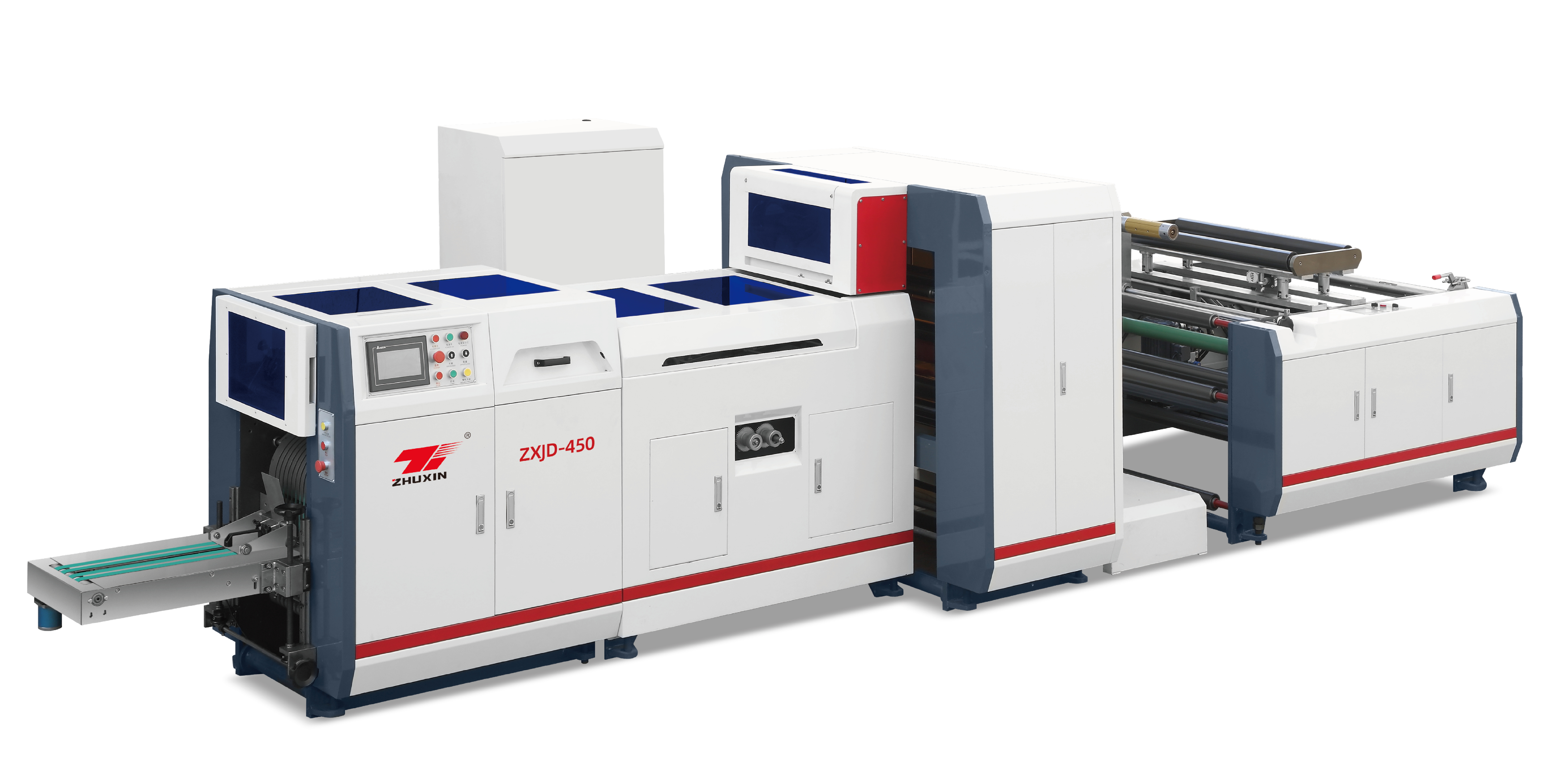
How High-Precision Automation Transforms Paper Bag Making Machine Performance
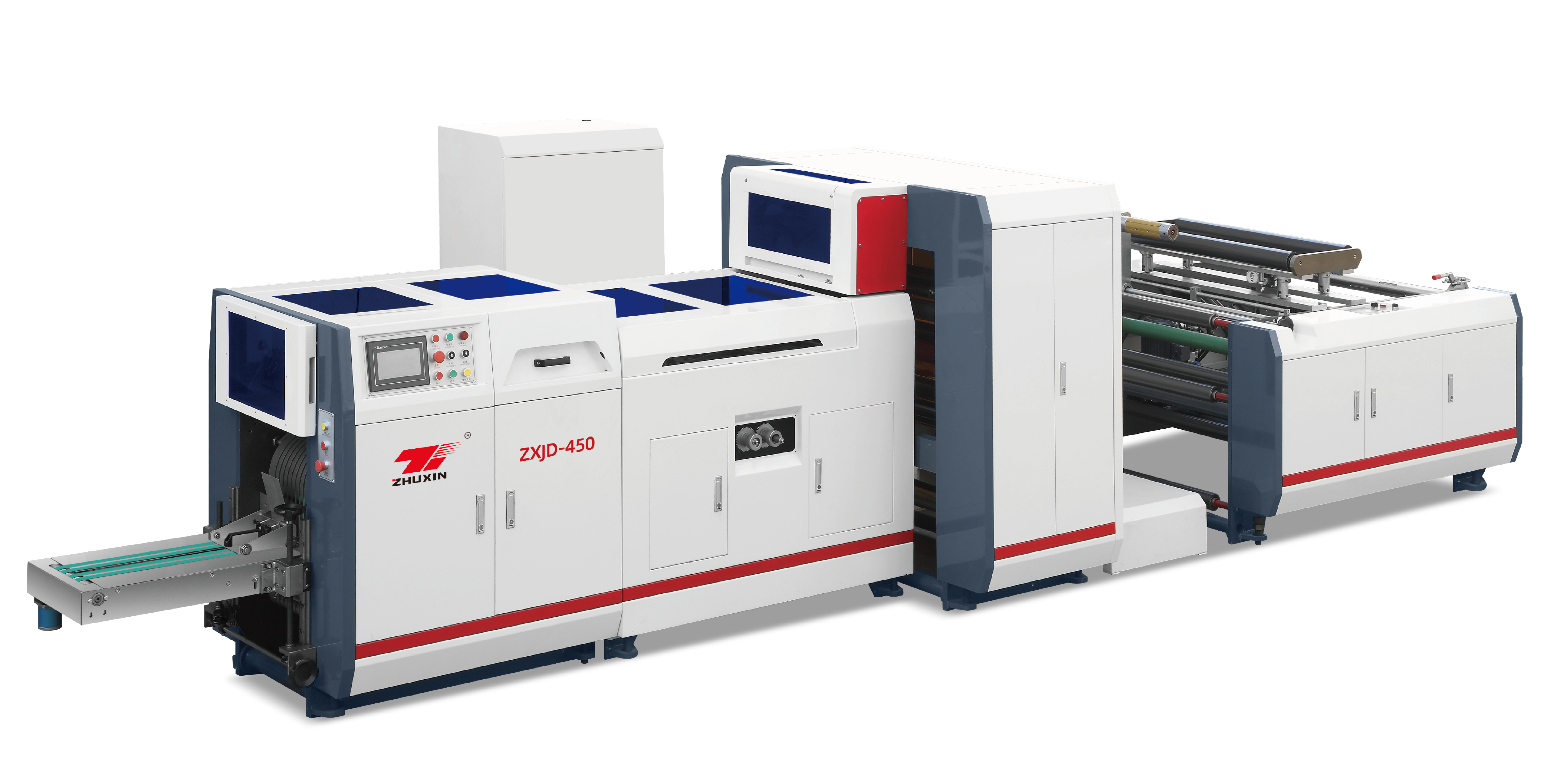
Micron-Level Folding and Sealing Accuracy for Dimensional Consistency
Today's paper bag making equipment can hit dimensional tolerances as tight as plus or minus 0.1mm thanks to servo driven controls that manage folding angles and sealing pressure with remarkable accuracy. Such precision basically removes those pesky shape variations that lead to feeding problems later on in the packaging line. The machines also come equipped with built in temperature control systems that keep adhesives at their best consistency for all paper types from light 50gsm up to heavy duty 300gsm materials, which means fewer weak seams and broken bags. Manufacturers report around an 18 percent drop in wasted material when switching from older models to these advanced systems, and that translates directly into lower overhead costs for most operations.
AI-Powered Vision Inspection for Real-Time Defect Detection in Paper Bag Making Machine Output
The AI vision systems check each bag at around 400 frames per second through those high res cameras, spotting tiny issues like glue spots on seams, handles that aren't lined up right, or seals that didn't close properly. The machine learning software looks at all this image data as it comes in and makes adjustments automatically to things like how much glue gets applied, how fast the machine folds the bags, or what pressure levels should be set at. This whole feedback loop cuts down on rejected products by roughly 90 percent plus, which is pretty impressive when we consider the strict requirements for packaging materials used in stores, food processing, and medicine manufacturing. What's really helpful too is that these systems can predict when parts might need replacing before they actually fail, since certain types of defects tend to show up just before components start wearing out naturally.
End-to-End Fully Automatic Paper Bag Production Workflow
Seamless Integration of Feeding, Folding, Gluing, and Bottom Sealing
Paper bag manufacturing has come a long way with fully automated systems that handle everything from feeding rolls of paper to folding, applying glue, sealing the bottom, and stacking finished products all in one smooth process. These machines rely on sophisticated servo motors that work together with incredible timing between different parts of the machine. The feeding mechanism, folders, glue applicators, and sealers all need to be perfectly synchronized so there's no need for workers to manually move anything around, which reduces errors and inconsistencies. What makes these systems really effective is their ability to maintain proper tension on the paper throughout the entire production run. They can handle materials ranging from light 50 grams per square meter up to heavier 300 gsm papers without jamming or misalignment problems even when running at top speed. Companies report about a 30% reduction in staffing needs while still getting bags that look exactly the same every time they come off the line. There's no compromise here between how fast the machine runs and the quality of the finished product either.
Robotic Handle Attachment with Adaptive Gripping for Multi-Format Bags
Robots guided by vision systems handle attachments for all sorts of different formats like twisted rope, flat belts, and die cut versions too. These machines use special grippers that can adjust both pressure and angle depending on what the sensors tell them about each bag's size. There's no need to switch out mechanical parts when changing handle types either. Just flip a few switches and we're good to go in under 90 seconds, which makes it possible to run batches as small as 500 pieces without breaking the bank. The placement is really accurate too, staying within plus or minus 0.3 mm. That kind of precision matters a lot for high end retail products where everything has to look exactly right because consumers notice those tiny details and form opinions based on how consistent things appear.
Zero-Defect Quality Assurance in Modern Paper Bag Making Machine Systems
Getting to that sweet spot of zero defects isn't about doing single checks here and there. It takes a whole system working together with multiple sensors instead of just one or two spots. Today's advanced setups actually have these sensor networks working in sync all along the production line. We're talking about weight sensors accurate within half a gram, laser scanners that can catch dimensional differences down to 0.3 millimeters, plus those pneumatic tests checking how well things are sealed. All this happens while machines are cranking out over 200 bags every minute. What makes this work so well is that it looks at three main things at once: whether materials stay consistent throughout, if dimensions match specs exactly, and how strong those bonds really are. This closes those annoying holes that happen when people only check samples manually. The smart part comes from AI that automatically flags anything off-spec as soon as it shows up, keeping our defect rate around 99.7% good stuff. Third party auditors have checked this out under strict FDA regulations and GMP standards too. Compared to older semi-automated systems, we see about 40% less waste material needing to be redone. And best of all? This works great for everything from food packaging to pharmaceuticals right through to retail products.
Engineering Excellence: Modular Design and Material Flexibility
Rapid Changeover Across 50–300 gsm Paper Grades Without Downtime
With modular design comes the ability to switch between different paper types ranging from 50 to 300 gsm almost instantly. Standard quick release parts make it possible for workers to change out feeding systems, folders, or sealers in just under five minutes without needing any kind of recalibration. These systems rely on precision servos that automatically adjust tension and torque depending on how dense the paper actually is at any given moment. Plus there are preset programs that keep folds accurate within about half a millimeter even when switching materials. Such versatility lets production lines adapt quickly whether making light weight retail bags or tough industrial containers. According to recent industry reports from last year, this kind of setup can increase machine usage by around thirty percent compared to older fixed configuration equipment. What we end up with are operations ready for whatever comes next in the market, keeping everything running smoothly while meeting standards no matter what changes happen down the road.
FAQ
What is the advantage of using AI-powered vision inspection in paper bag making machines?
AI-powered vision inspection systems allow for real-time detection of defects in the paper bag production process. They can spot issues such as glue spots, misaligned handles, or seals that did not close properly, leading to a significant reduction in rejected products and improving overall efficiency.
How does modular design benefit paper bag manufacturing?
Modular design enables quick and easy switching between different paper types without downtime. It uses standard quick release parts for changing feeding systems, folders, or sealers, which increases machine usage and adapts to market changes smoothly.
How do precision servos contribute to paper bag manufacturing accuracy?
Precision servos manage folding angles and sealing pressure with remarkable accuracy, maintaining dimensional consistency and reducing material wastage. They adjust tension and torque automatically, ensuring proper synchronization throughout the production run.