
How Square Bottom Paper Bag Making Machines Work: Core Mechanics and Precision Engineering
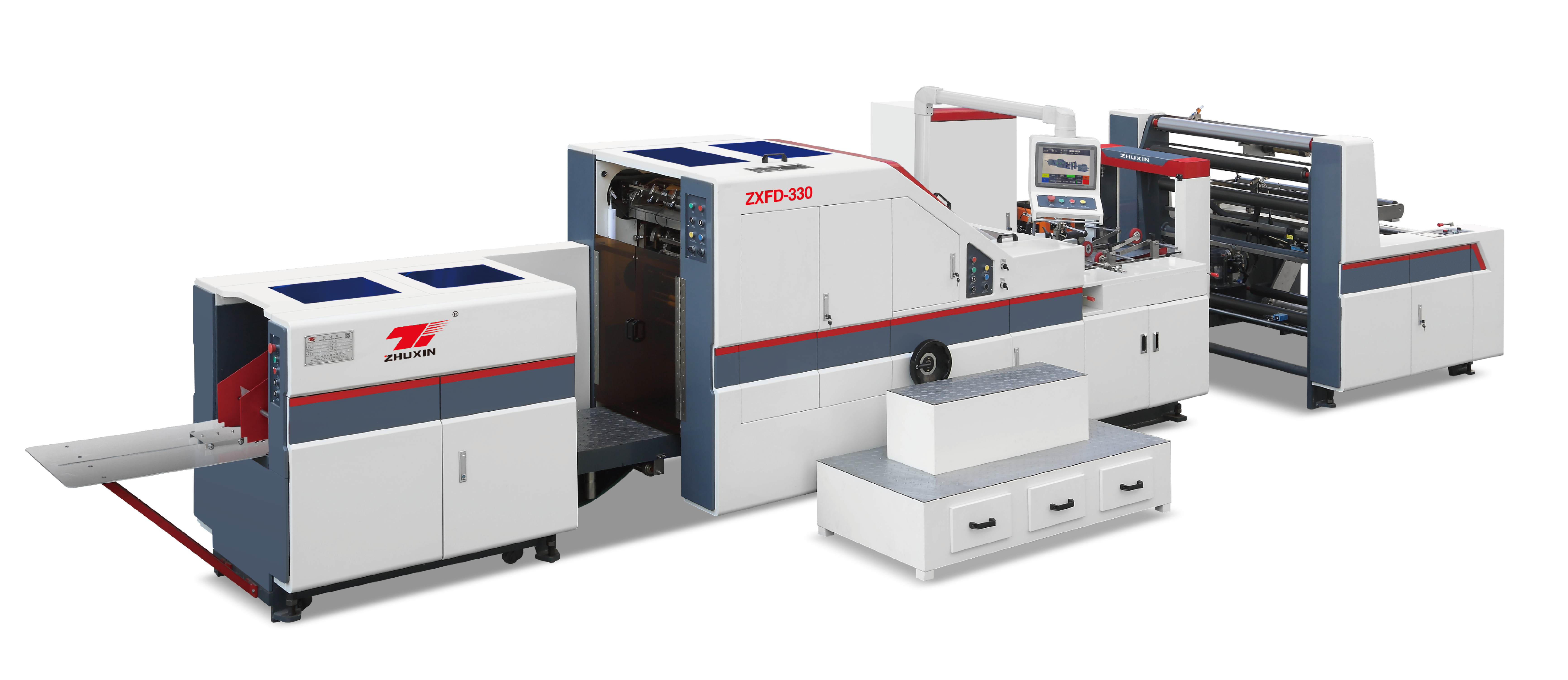
Automated Folding, Bottom-Forming, and Gluing Processes
Paper bag manufacturing starts when either flat sheets or rolls get fed into the forming section of the machine. Specialized rollers do all the hard work, creating precise creases and folds that shape the paper into tubes. At the same time, other parts of the machine come together to create those signature square bases we recognize, using tucking motions combined with pressure points along the way. Glue applicators follow next, sealing the long sides of each bag and giving extra strength to the bottom where it matters most. These machines use fast drying adhesives that hold everything together securely. What makes this whole setup so valuable is how it cuts down on hands-on work. According to recent industry data from Packaging Efficiency Report 2023, fully automated systems can slash labor expenses by around 40% when compared to older semi-mechanical approaches. That kind of savings adds up quickly for manufacturers looking to stay competitive.
Role of Servo Control and Synchronized Motion in Bag Dimensional Accuracy
The servo motors handle all the movements in these machines, controlling everything from how fast the paper feeds through to the sequence of folds made during production. They work with closed loop systems that constantly adjust both force and speed based on what sensors detect. This kind of real time adjustment keeps things within tight dimensional limits, usually around plus or minus 0.3 millimeters. Getting different parts of the machine to work together properly matters a lot. When the bottom forming jaws don't line up correctly with the glue applicators, it creates problems in the final product structure. Modern equipment typically has integrated motion controllers managing as many as twelve different axes at once. These controllers allow manufacturers to maintain consistent shapes and dimensions even when running at maximum output rates of about three hundred bags per minute. Such performance makes these machines compatible with automated retail packaging operations where any variation can throw off subsequent filling processes down the line.
Tailoring the Paper Bag Making Machine to Application Needs: Retail, Grocery, and Shopping Bags
Adjustable Parameters for Bag Size, Handle Type (Twist, Die-Cut, Rope), and Paper GSM Range
Today's machines can be configured pretty precisely along three main dimensions: height ranging from 4 to 24 inches, width from 3 to 16 inches, and depth between 1 and 10 inches. This means operators can quickly switch production from small boutique cosmetic bags to big grocery carriers within just a few minutes. When it comes to handles, there are different options based on what needs to be carried. Twist handles work best for light stuff under 1kg, die-cut handles handle mid weight loads up to around 6kg, while reinforced rope handles are needed when moving heavier items over 10kg. The machine settings also work well with a wide range of GSM materials from 40 to 120 GSM. Retailers selling clothes often need the thinner 60 GSM bags, whereas hardware stores typically require the sturdier 100 GSM versions. With real time servo controls keeping things accurate to within about half a millimeter during these changes, there's significantly less material wasted when switching between different products.
Material Compatibility: Kraft, Recycled, Laminated, and Coated Papers
Commercial-grade machines handle diverse substrates without reconfiguration. Unbleached kraft paper provides natural strength for standard shopping bags; recycled stocks (70–100% post-consumer content) meet sustainability targets while maintaining tear resistance. Specialty applications include:
- Polyethylene-laminated paper for moisture barriers in perishable grocery packaging
- Clay-coated stocks for high-definition branding in luxury retail
- Wax-infused variants for freezer-safe food delivery bags All approved materials maintain reliable sealing at speeds exceeding 300 bags/minute. Thermal binding systems auto-adjust to porosity variations–no adhesive or formulation changes are needed when switching between compatible stocks, enabling rapid adaptation from eco-friendly grocery bags to premium retail carriers.
Production Performance: Matching Output Capacity to Commercial Demand
Throughput Ranges (120–300+ Bags/Minute) and Scalability Options
The system handles anywhere from 120 all the way up to 300+ bags each minute, which matches pretty well with what different businesses need. Small shops usually run around 120 to maybe 160 bags per minute, whereas big supermarkets want to keep going past 250 bags every minute consistently. The servo motor controls make it easy to switch speeds without having to mess around with recalibrating everything constantly. What really keeps things running smoothly at top speed? Automated tension adjustments and those real time checks on how much glue gets applied throughout the process. This helps maintain stable dimensions within about half a millimeter even after running nonstop for 12 hours straight. When there's a rush season coming up, the modular design lets operators just plug in extra components such as handle applicators pretty quickly. This can boost production capacity by roughly 40 percent without needing to completely overhaul the whole line.
Operational Reliability: Ease of Use, Maintenance Efficiency, and Quality Consistency
Intuitive HMI, Quick-Change Tooling, and Predictive Diagnostics
Today's machinery comes equipped with Human Machine Interfaces (HMIs) that include visual workflows, which can slash the time it takes to train operators down to about a third of what it used to be. Adjusting formats without tools makes switching between different bag setups much easier than before, often taking less than five minutes to complete. The machines also have built-in sensors watching out for things like excessive vibrations and rising motor temps. These sensors send early warnings when problems start developing, like when belts begin to loosen or glue applicators start drifting off course. According to Fieldequip research from 2024, this kind of forward thinking maintenance cuts unexpected stoppages by around 40 percent and helps parts last longer overall.
Quality Assurance Metrics: Seam Integrity, Load Capacity, and Dimensional Tolerance
The inline validation system kicks out any bags that go beyond the 0.8mm size limits on either side. We check how strong the seams are throughout production, making sure they can hold at least 20kPa pressure so the bags won't burst under normal grocery weights like 15kg shopping trips. Cameras running constantly make sure handles line up properly and those extra space pockets at the bottom form correctly too. Our quality rate sits around 99.2% without defects, though we're always looking to squeeze out that last bit of improvement. All these numbers mean fewer returned products sitting in warehouses and less wasted plastic overall. Customers start to notice when their packages arrive intact every time, which builds confidence in our automated packing solutions across the board.
FAQ
How does a square bottom paper bag making machine reduce labor costs?
These machines automate complex processes like folding, gluing, and sealing, reducing manual intervention by up to 40%, according to the Packaging Efficiency Report 2023.
Can these machines handle different paper types?
Yes, modern machines can accommodate kraft, recycled, laminated, and coated papers without needing reconfiguration.
What is the production capacity range for these machines?
The machines can produce between 120 and over 300 bags per minute, scalable based on commercial demand.
How does servo control enhance bag dimensional accuracy?
Servo control manages precise movements and synchronizes multiple machine parts to keep dimensions within tight tolerance limits.
How quickly can these machines switch between different bag types?
With adjustable settings for bag size, handle type, and material, the transition usually takes just a few minutes.
Table of Contents
- How Square Bottom Paper Bag Making Machines Work: Core Mechanics and Precision Engineering
- Tailoring the Paper Bag Making Machine to Application Needs: Retail, Grocery, and Shopping Bags
- Production Performance: Matching Output Capacity to Commercial Demand
- Operational Reliability: Ease of Use, Maintenance Efficiency, and Quality Consistency
-
FAQ
- How does a square bottom paper bag making machine reduce labor costs?
- Can these machines handle different paper types?
- What is the production capacity range for these machines?
- How does servo control enhance bag dimensional accuracy?
- How quickly can these machines switch between different bag types?