
How Automation Enhances Efficiency in Paper Bag Making Machines
The role of automation in accelerating production speed and consistency
The introduction of automation into paper bag manufacturing has completely changed how things work on the factory floor. Machines now handle what used to be slow, error-prone tasks done by hand, allowing factories to crank out hundreds of bags every minute without breaking a sweat. Some advanced systems can actually produce over 200 bags per minute, which beats anything a semi-automated line could manage while still getting those cuts, folds, and glue jobs just right. The result? Less wasted material overall, maybe around 30% less than when workers were doing everything manually. And let's face it, when products come out looking uniform and professional, customers are less likely to send them back. That makes sense for anyone running a big operation where consistency matters most.
Integrated automated production lines in modern paper bag making machine systems
Modern manufacturing plants now rely on completely integrated production setups where robots move materials from one stage to another without any manual intervention. The latest systems bring together processes like creating the web structure, making precise cuts, applying glue automatically, and attaching handles all within one smooth operation. Getting rid of these middle steps cuts down on how long each product takes to make. When everything works together in sync, there's less chance of things going wrong, fewer stoppages happen, and machines run better overall—what manufacturers call OEE or Overall Equipment Effectiveness. This kind of setup leads to much smoother operations across the factory floor.
Case study: A leading manufacturer's fully automated solution
One major player in the manufacturing sector recently rolled out a fully automated paper bag production line that's turning heads across the industry. The system incorporates robots for material movement, constant quality checks during operation, and smart changeover functions that slash setup time by around two thirds compared to traditional methods. What makes it stand out is the control system that lets operators switch from one bag size to another effortlessly, all without stopping the machine or needing hands-on adjustments. Most impressive? The whole setup runs at nearly maximum efficiency most of the time according to internal metrics. Several packaging companies have already adopted this technology, reporting they can crank out twice as many units per shift while still keeping consistent quality standards across their entire range of products—from small grocery bags to large industrial containers.
Balancing high initial investment with long-term cost savings in automated machinery
While investing in automated paper bag making machines does come with a hefty price tag at first, most companies find they start seeing their money back within about 18 to 24 months thanks to reduced labor needs, less material wasted, and faster production rates. These machines can run almost nonstop day after day, which cuts down on mistakes people might make when doing things manually. The fewer defects produced means fewer complaints from customers and less time spent dealing with returns. For manufacturers who want to stay competitive in today's market, getting these kinds of efficiency gains makes all the difference. Many plant managers we've talked to say the initial cost pays off many times over once everything is up and running smoothly.
Core Technical Mechanisms Behind High-Speed Paper Bag Production
Web forming precision and its impact on overall production efficiency
Getting the web forming right is absolutely key when it comes to making those high speed paper bags we see everywhere these days. The latest servo motor systems keep everything running smooth by maintaining just the right amount of tension and alignment across the material. Without this kind of control, things tend to break down pretty quickly which leads to all sorts of problems on the production line. When manufacturers get their web handling processes sorted out properly, they can hit dimensional accuracy around plus or minus half a millimeter. That level of precision lets machines run smoothly even when cranking out over 300 bags every single minute. Automatic tension control built into modern systems means operators don't have to constantly tweak settings manually anymore. Just set it once and watch the whole process flow without interruption while keeping productivity levels consistently high throughout shifts.
Automated cutting and gluing systems for consistent, high-quality output
Cutting and gluing machines that are automated can really make sure every piece comes out exactly the same way each time, which means stronger seams overall. These systems have those fancy sensors and computer controls inside them that let operators get precise measurements for cuts and apply glue consistently no matter what kind of paper they're working with. Think about all the different weights of paper we deal with daily—from thin kraft stuff used for packaging small items right up to thick multi-wall boards for industrial applications. The best part? Operators can tweak settings on the fly when switching between adhesives or product designs without having to shut down the whole line. This saves tons of time and money because mistakes happen less often while still keeping up with production speeds and delivering good quality products at the end of the day.
Roll-fed vs. sheet-fed technology: Performance comparison in paper bag making machines
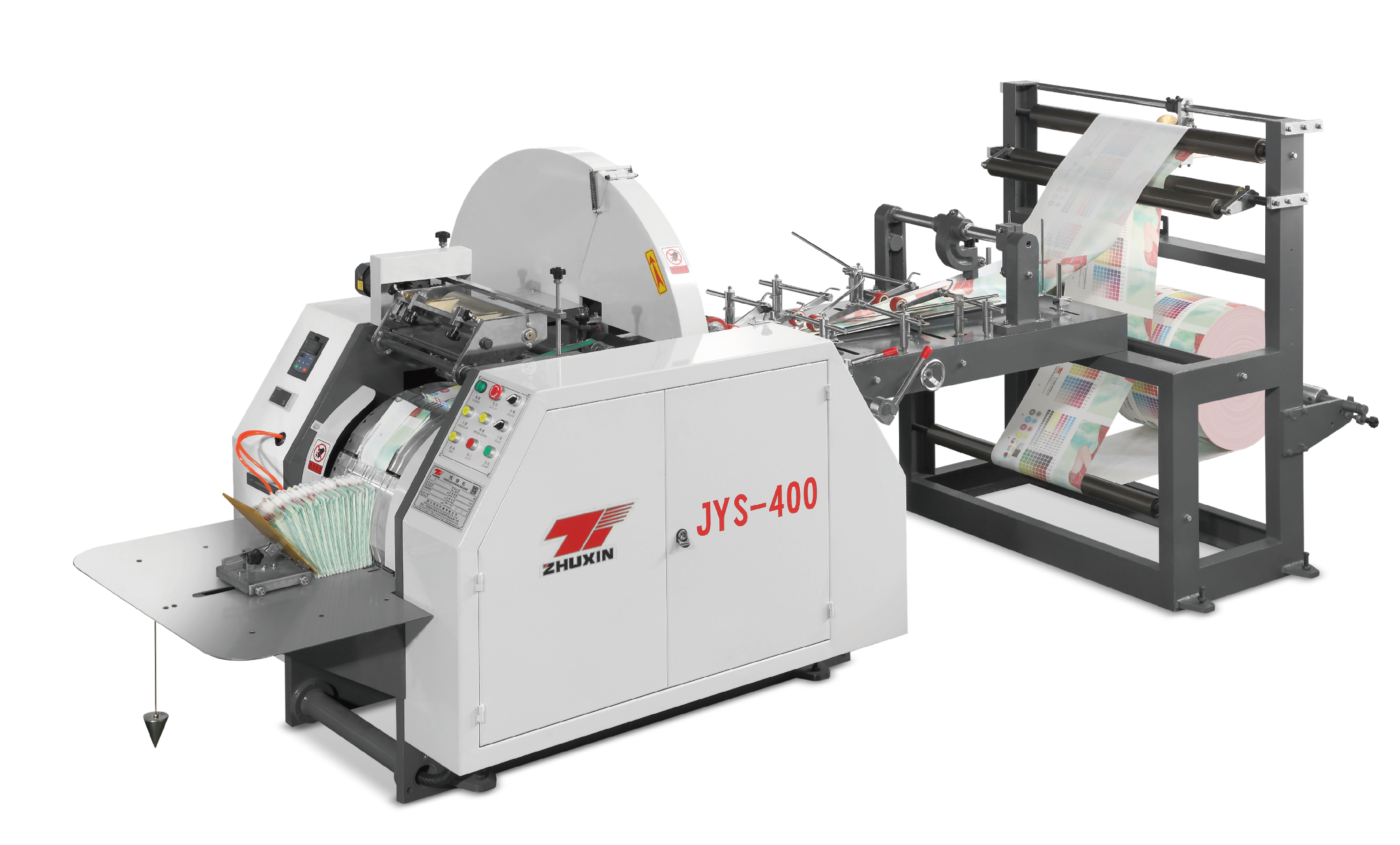
When it comes to making paper bags, there are basically two main approaches out there—roll fed and sheet fed technology. The roll fed machines work with long continuous rolls of paper and they're really good for places that need to produce lots of bags quickly. These systems can crank out around 220 bags every minute by forming tubes, cutting them to size, and sealing the bottoms all in one smooth process. Plus they keep running non stop with very little need for operator intervention. Sheet fed systems tell a different story though. They handle individual sheets rather than continuous rolls, which makes them better for smaller production runs or special order bags. But these machines just don't match the speed of their roll fed counterparts and typically need more hands on attention from workers during operation. Looking at how these systems perform in real world settings, most manufacturers will tell you that roll fed equipment generally produces about 30 to 40 percent more output while maintaining better quality control when things get busy on the production line.
Managing downtime risks in continuous web-based manufacturing systems
Cutting down on those surprise shutdowns matters a lot for operations running on continuous web lines. These days most equipment comes packed with predictive maintenance software and live monitoring systems that catch problems way before they actually break down. The latest tension controllers and auto-guiding systems really cut down on those pesky issues where the material gets jammed or tears apart mid-process. According to some industry reports, facilities using these kinds of smart systems see around 60% fewer random stoppages compared to older setups. When paired with components that swap out quickly and formats that adjust themselves automatically, manufacturers can switch between different products much faster while keeping their machines running smoothly even when production demands change throughout the day.
Maximizing Output with High-Volume Paper Bag Manufacturing Systems
Scaling production capacity using advanced paper bag making machine technology
In large scale paper bag production, manufacturers rely on roll fed automated systems that keep things moving continuously from start to finish. These setups bring together several key operations including tube formation, cutting, bottom sealing, and final collection all along one main production line. Servo motors with pinpoint accuracy handle positioning even at breakneck speeds, and smart tension controls help maintain paper strength through different types of stock materials. What this creates in practice is a production environment where everything works together seamlessly, allowing factories to crank out massive quantities without compromising on either quality standards or consistent results day after day.
Throughput improvements driven by next-generation manufacturing equipment
The latest generation of paper bag manufacturing equipment really steps things up when it comes to production speed thanks to smarter controls across multiple stations and faster tool switching. Sensors built into these machines constantly monitor performance and tweak settings on the fly so they can run fast without creating too much waste. Printing, attaching handles, and quality checks all happen at once, keeping the whole process moving smoothly without stopping. Better guidance systems keep everything aligned even when running at top speeds, and the new modular tools mean changing between different bag types takes just minutes instead of hours. Put all this together and factories are seeing output jumps anywhere from 40% to almost double what older machines could manage, plus many report lower energy bills too.
Performance benchmark: Machines producing over 300 bags per minute
The best industrial paper bag makers today can produce over 300 bags each minute, which is quite an improvement compared to the 200-250 range that was normal just five years back. What makes these machines so much faster? They have quicker servo drives, smart vision systems that check quality while running at top speed, plus web management tech that keeps materials flowing smoothly even when things get tough. Modern high speed equipment comes equipped with all sorts of sensors too. These detect small problems as they happen and automatically fix them right away. This means factories keep producing good quality bags non stop without those annoying production line stops for fixes.
Smart Optimization and Future Trends in Paper Bag Making Machinery
Real-time monitoring and waste reduction through intelligent process control
Smart process control systems keep an eye on important factors like how tight the paper is, how much glue gets applied, and whether cuts are accurate enough, then tweak things as needed to stay running at top form. When something goes off track, these systems catch it right away and make corrections before problems get worse. This quick reaction cuts down on wasted materials maybe around 20-25% depending on conditions, all without compromising what comes out of the machines. Manufacturers who run their lines nonstop appreciate this kind of fine tuning because it saves real money over time. Plus, using resources better helps companies meet their green targets without sacrificing production volumes.
Smart sensors and IoT integration in modern paper bag making machines
Bringing IoT into industrial machinery represents a major change in how machines think and operate. Smart sensors built right into equipment gather information about temperature changes, vibrations, operating speeds, and power usage, then send all this data to central monitoring systems where it gets analyzed. The ability to connect these devices remotely means technicians can diagnose problems from afar, track how well machines are performing, and spot potential issues before they become serious. Industry studies show that when machines have IoT capabilities, they catch abnormal conditions about 30 percent quicker compared to older non-connected systems. This faster response time lets maintenance teams fix problems before breakdowns happen, which cuts down on production stoppages and saves money in the long run.
Future outlook: AI-driven predictive maintenance in automated production lines
Looking ahead, paper bag manufacturers are increasingly turning to AI for predictive maintenance solutions. These smart systems analyze both past performance records and real time factory operations to spot when parts start showing signs of wear before they actually fail. The result? Maintenance work gets done during regular shutdown periods instead of dealing with emergency repairs after equipment breaks down mid-production. Industry reports suggest that factories implementing these AI tools might cut unexpected machine stops by around 40-45% within the next few years. This kind of improvement doesn't just mean better Overall Equipment Effectiveness numbers on paper—it translates to longer lasting machinery and fewer headaches for plant managers running complex automated lines.
FAQ
What are the main benefits of automating paper bag production?
Automation in paper bag production significantly boosts speed, efficiency, and consistency while reducing material wastage and the potential for human error. This leads to higher productivity and consistent quality output.
How does integration help in modern paper bag making systems?
Integration allows multiple processes like cutting, gluing, and handle attachment to occur simultaneously and seamlessly within the production line, reducing the time each product takes to manufacture and increasing Overall Equipment Effectiveness (OEE).
What is the difference between roll-fed and sheet-fed technology in bag making?
Roll-fed technology uses continuous rolls of paper and is suitable for large-scale production, providing faster outputs. Sheet-fed technology processes individual sheets, catering to smaller production runs but requires more manual attention.
How does predictive maintenance software benefit paper bag manufacturers?
Predictive maintenance software helps in monitoring and diagnosing problems before they cause breakdowns, reducing unforeseen stoppages by about 60%. This anticipation allows scheduled maintenance during downtime and prevents costly disruptions.