
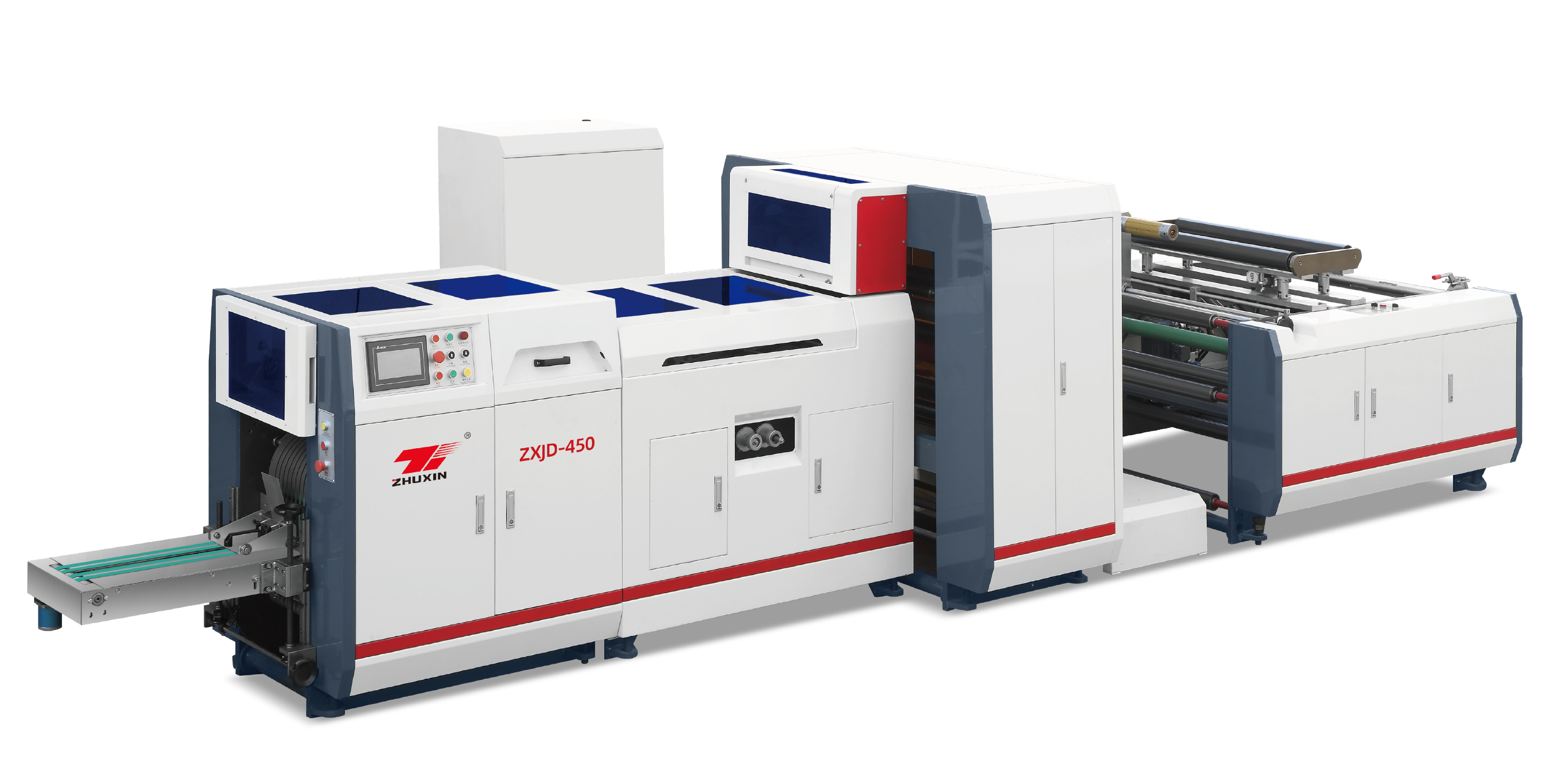
How Servo Motor Systems Improve Efficiency in Paper Bag Making Machines
Paper bag making machines run much better when they have servo motor systems because these motors give really accurate control in real time. These systems work on what's called a closed loop setup, basically meaning there's a control circuit working together with a feedback sensor and something called PWM technology. What happens is the system keeps adjusting things like where the parts are positioned, how fast they move, and how much force they apply. This matters a lot for those important steps in the process. When forming bags, making sure the seals stick properly, and getting clean cuts without tearing, having this kind of fine control makes all the difference in quality and production speed.
Working principle of servo motors: Control circuit, feedback sensor, and PWM technology
The control circuit interprets command signals while the feedback sensor monitors actual motor position. PWM technology modulates power delivery by adjusting pulse width, enabling fine-tuned speed regulation without energy waste. This responsive system adapts instantly to production changes, eliminating inefficiencies common in traditional mechanical drives.
Key components and functions of servo motors in automated paper bag production
Servo systems in paper bag machines integrate permanent magnet motors, high-resolution encoders, and digital controllers. Together, they maintain consistent paper tension, ensure accurate print registration, and deliver clean, high-speed cuts. With positional accuracy within microns, these systems minimize material waste and prevent production errors.
Precision speed and torque control for adaptive performance in packaging machinery
The latest servo tech makes it possible for machines to automatically adjust their speed and torque depending on how thick the material is and what the operation needs. This kind of flexibility really helps prevent those frustrating paper tears when running at top speed, plus keeps seals looking consistent even when conditions change from one batch to another. Looking at actual packaging operations, we find that these servo driven systems can cut down on energy usage somewhere around 40 percent less than older drive systems. And they still manage to hit accuracy marks well over 99.7%, which means fewer rejects and wasted materials in production runs.
Energy Savings and Operational Cost Reduction in Servo-Driven Paper Bag Machines
Servo motor systems significantly cut energy use and operating costs by consuming power only when needed. Unlike continuously running induction motors, servos operate on-demand, reducing idle losses and improving overall efficiency. This intelligent approach leads to 25–35% lower energy consumption, directly lowering electricity expenses and enhancing lifecycle cost-effectiveness.
Lower energy consumption and reduced operating costs with servo motor systems
Precision motion control and optimized power distribution eliminate reliance on mechanical clutches and brakes, minimizing friction and wasted energy. Additionally, regenerative braking captures and reuses energy during deceleration, further boosting efficiency. These features collectively reduce utility bills without sacrificing output, offering both economic and environmental advantages.
IE5-rated permanent magnet motors and their role in maximizing efficiency
Permanent magnet motors rated at IE5 are currently the most efficient option on the market. These motors use cutting edge magnetic materials combined with innovative electromagnetic design to push their efficiency well beyond 95 percent mark. What makes them stand out is how they eliminate those pesky rotor currents we see in standard induction motors. This means less heat buildup and significantly lower energy losses over time. For facilities running equipment nonstop, especially ones where electricity bills eat into profit margins, IE5 motors become an obvious choice. The savings add up fast when operations run around the clock.
Comparative analysis: Servo vs. traditional induction motors in power usage
| Performance Metric | Traditional Induction Motors | Servo Motor Systems | Improvement |
|---|---|---|---|
| Energy Consumption | Baseline | 25–35% reduction | Significant |
| Power Factor | 0.7–0.8 | 0.95–0.98 | Enhanced |
| Standby Losses | High | Minimal | Major reduction |
| Heat Generation | Substantial | Low | Improved |
| Maintenance Frequency | Regular | Reduced | Less downtime |
Servo systems maintain high power factors even under partial loads—unlike induction motors, which lose efficiency when not fully loaded. This ensures consistent energy savings across diverse production scenarios.
Sustainability Advancements Enabled by Energy-Efficient Paper Bag Making Machines
Reducing carbon footprint through high-efficiency motor design and green manufacturing
High-efficiency servo systems, especially those using IE5-rated motors, significantly reduce energy waste and associated greenhouse gas emissions. Industry analysis indicates these machines generate 40–60% lower carbon emissions than conventional alternatives. Their precise power management eliminates unnecessary consumption during idle or low-load periods, contributing directly to cleaner manufacturing practices.
Supporting eco-friendly production goals with low-heat, long-life servo systems
Servo motors with permanent magnets tend to operate around 20 to maybe even 30 percent cooler compared to standard induction motors. This means less need for cooling systems and puts far less strain on all those internal parts over time. The reduced heat generation actually helps these machines last longer too. We're talking about service lives that can stretch well past ten or fifteen years when proper maintenance is kept up regularly. That translates into fewer replacements needed and significantly cuts down on the amount of equipment waste generated. When paired with their generally lower power consumption requirements, this extended lifespan makes them much more environmentally friendly options throughout their entire operational history from installation right through decommissioning.
Performance Benefits and Long-Term ROI of Servo Technology in Packaging Automation
High power density and dynamic response for improved machine productivity
Servo motors offer high power density, delivering greater torque in compact frames. Their rapid acceleration and deceleration capabilities support faster cycle times, enabling production speeds over 120 bags per minute. This dynamic responsiveness increases throughput while maintaining precision in sealing and cutting processes.
Precise motion control using permanent magnet servo motors in variable-speed applications
Advanced feedback systems and PWM technology enable exact motion control, ensuring consistent bag dimensions, accurate handle placement, and flawless seam alignment—even during frequent speed changes. This precision reduces material waste by up to 15% and sustains product quality over extended runs.
Balancing upfront investment with long-term return on investment (ROI)
Although servo-driven machines carry an initial cost premium of 20–30%, their long-term benefits yield strong returns. Payback typically occurs within 18–24 months through energy savings (30–50%), reduced maintenance, and lower material waste. Higher output, improved quality, and operational efficiency make servo technology a sound investment for businesses aiming to scale sustainably.
Future Trends: Smart Integration and Market Growth of Servo-Based Paper Bag Machines
Rising global demand for energy-efficient paper bag making solutions
The push for eco-friendly packaging solutions has really picked up steam lately, which explains why so many companies are now investing in energy efficient paper bag machines. Environmental laws getting stricter plus consumers wanting greener options have pushed manufacturers to switch from old school methods to servo based automation systems. Looking at numbers, the worldwide market for these machines was worth around $7.49 billion back in 2025 and experts think it will keep growing at about 15% per year until 2033 when it should hit nearly $17.4 billion. Most of this action is happening in Asia Pacific region where countries like China and India account for more than half the market thanks to their booming industries and government incentives for green manufacturing. Automatic models are leading the charge here because they just make sense for online retailers and big box stores needing to produce thousands of bags quickly without mistakes slipping through.
IoT and smart controls in next-generation servo-driven packaging machinery
The latest paper bag machines now come equipped with internet connectivity and smart control systems that allow operators to monitor production in real time, predict when parts might fail before they actually break down, and automatically check product quality as it comes off the line. These machines typically include programmable logic controllers (PLCs) alongside artificial intelligence features that make small adjustments on their own to keep everything running smoothly and reduce unexpected stoppages. What makes all this possible is something called Industry 4.0 technology. With these upgrades, factory workers can operate machines from anywhere via smartphone or computer, analyze mountains of production data to spot trends, and quickly switch between different bag sizes and shapes without spending hours recalibrating equipment. The result? Faster production cycles and greater adaptability to customer demands without compromising on quality standards.
Market forecast: Adoption of servo motor systems in packaging (2023–2030)
The integration of servo motors into packaging equipment keeps picking up steam as we head toward 2030, mainly because companies want to save energy and get better precision in their operations. We're seeing especially quick uptake of those hybrid machines that can switch between different materials without missing a beat. Over in Europe, the market has been growing roughly 5% each year lately, pushed along by stricter regulations and all sorts of new tech coming out. Manufacturers keep throwing money at ways to cut down on running costs while also keeping up with green standards that seem to change every other week. This whole trend points to something bigger happening across the industry right now – factories are getting smarter and greener at the same time, even if it sometimes feels like they're chasing two moving targets.
FAQs
What are servo motor systems and why are they important in paper bag making machines?
Servo motor systems are used in paper bag making machines for precise real-time control. They help improve positioning, speed, and force adjustment during crucial steps like forming bags, sealing, and cutting, enhancing quality and production speed.
How do servo motor systems contribute to energy savings?
Servo motor systems reduce energy use and operating costs by consuming power only when needed, reducing idle losses, and enhancing efficiency through on-demand operation. Their intelligent approach leads to significantly lower energy consumption.
What is the advantage of using IE5-rated permanent magnet motors in paper bag machines?
IE5-rated permanent magnet motors are highly efficient, with efficiency exceeding 95%. They eliminate rotor currents found in standard induction motors, resulting in less heat buildup and lower energy losses, making them an excellent choice for continuous operations.
What are the expected trends in the adoption of servo motor systems in packaging?
Companies are increasingly adopting servo motor systems due to their energy-saving features and precision benefits. The market for these systems is expected to grow as manufacturers seek to reduce costs and meet green standards.
Table of Contents
- How Servo Motor Systems Improve Efficiency in Paper Bag Making Machines
- Energy Savings and Operational Cost Reduction in Servo-Driven Paper Bag Machines
- Sustainability Advancements Enabled by Energy-Efficient Paper Bag Making Machines
- Performance Benefits and Long-Term ROI of Servo Technology in Packaging Automation
- Future Trends: Smart Integration and Market Growth of Servo-Based Paper Bag Machines