
How a Paper Bag Making Machine Meets Food-Safe Packaging Requirements
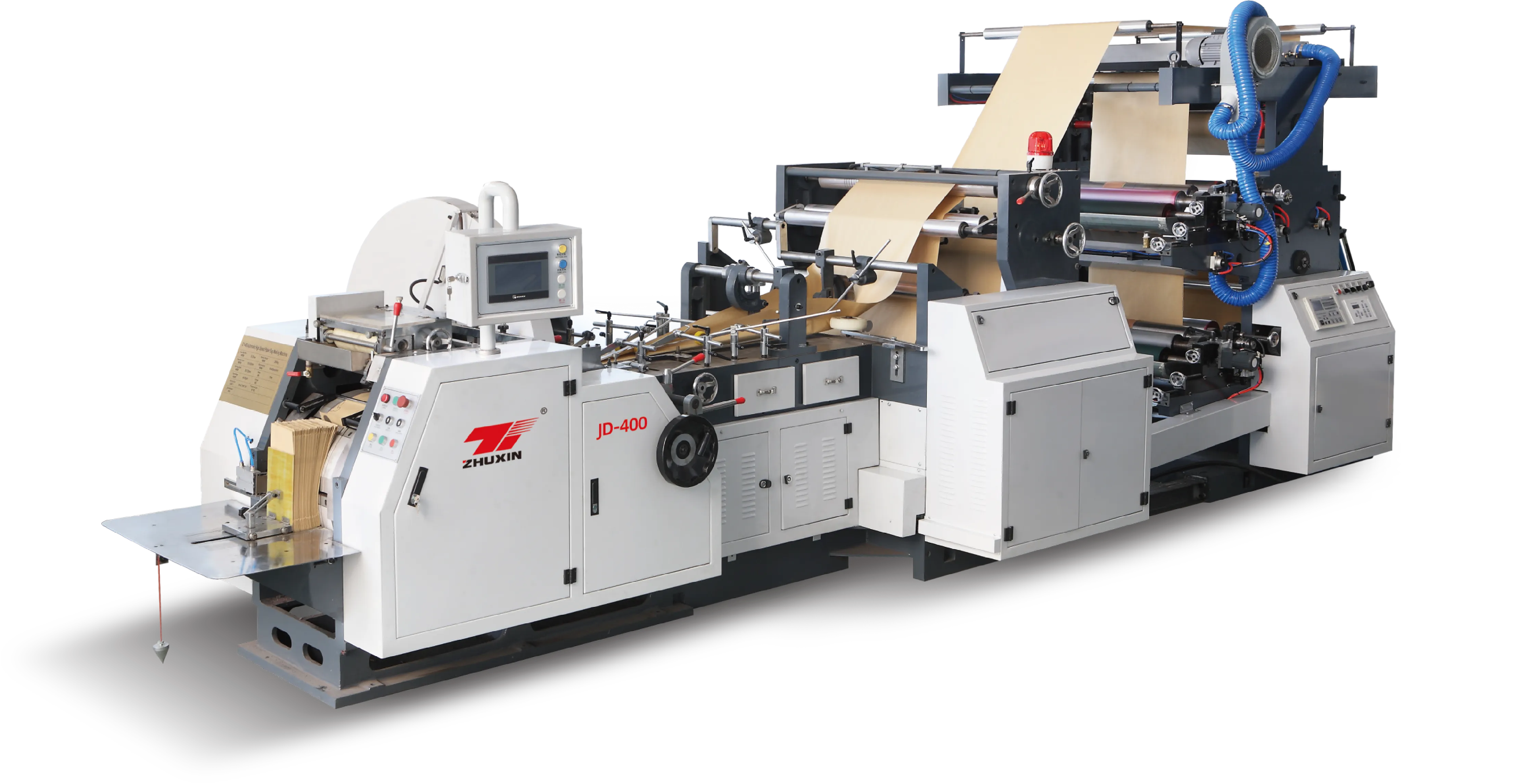
Food-grade material handling and kraft paper compatibility
Today's paper bag manufacturing equipment works exclusively with food grade virgin kraft paper that meets both FDA 21 CFR regulations and ISO 22000 certification standards. This approach cuts down on contamination issues right at the start of production. The machines come equipped with built-in sensors that check what kind of material is being used and track where it came from before any actual processing happens, so everything stays compliant throughout. Manufacturers prefer virgin kraft because it naturally resists grease, holds together well, and doesn't contain those pesky recycled materials that can cause problems. Takeaway containers need this property to stop oily substances from leaking through. Processing temps stay under 50 degrees Celsius to prevent damage to the paper fibers and avoid chemicals getting released into the product. Thickness remains pretty consistent too, varying no more than plus or minus 0.05 millimeters. Special dust removal systems keep things clean when the paper gets unwound, folded, and glued together. All these features work together to make sure finished bags pass the ASTM D6868 tests required for food contact applications. They must withstand at least 8 kilograms of pressure without bursting and maintain strong fiber connections throughout.
Precision tube formation and FDA-compliant edge gluing for leak-resistant seams
The bag bodies get made through laser guided tube construction which keeps the gusset depth really consistent, within about plus or minus 0.2mm. That kind of precision matters because it creates reliable load bearing geometry across all products. When it comes to adhesives, we stick with FDA compliant hot melt formulas that have been tested according to 40 CFR 180.950 standards for safety. These are applied with incredible accuracy at the micron level along those critical seam edges. The curing process happens fast too, taking less than 0.8 seconds when exposed to infrared heat. What this means is we get flexible yet completely waterproof bonds that hold up even when temperatures reach 90 degrees Celsius without any risk of peeling apart. Our integrated vision systems check each and every seam in just 200 milliseconds, automatically flagging anything with gaps or inconsistencies before it leaves the production line. Independent tests show our bags can hold 0.5 liters of liquid for half an hour without leaking, meeting all the requirements set out in 21 CFR 176.170 regulations. We also keep tabs on adhesive viscosity throughout manufacturing to maintain purity levels and ensure those bonds stay flexible enough for whatever handling they might encounter after purchase.
Structural Customization Options for Reliable Takeaway Bag Performance
Gusseted, block-bottom, and SOS-style bag formation for load stability and user ergonomics
The paper bag making machines actually work with three main structural setups when it comes to transporting food products. These include gusseted bags, block bottom ones, and what's called SOS style bags (which stands for self opening sacks). The gusseted type has those side folds that can expand outwards, so they're great for holding things like six packs or other bulky items without toppling over. Block bottom bags have really solid flat bottoms that make them stand straight up. According to some studies on packaging ergonomics, these reduce the chance of containers tipping over and spilling their contents by about 34% compared to regular flat bottom bags. Then there are the SOS styles which come with built in opening systems and handles placed where people naturally grab them, making packing much faster during busy times at stores or restaurants. Before production starts, each design goes through detailed computer modeling to get the best possible balance between how much weight they carry, how efficient the materials are used, and whether they'll actually work well for different foods ranging from fragile pastries all the way to heavy soup filled containers.
Reinforced bottom folding with real-time quality control and ASTM-standard load testing
The bottom seam is definitely the weakest spot in these containers, so we reinforce it with an automated multi layer accordion fold technique along with FDA approved hot melt adhesives for extra strength. The result? A base that won't leak even when carrying around more than 10 kilograms worth of product without any warping or breaking. At every folding station throughout production, laser displacement sensors work alongside dynamic pressure monitoring equipment to catch those pesky weak spots or gaps in the adhesive application. These systems have proven pretty effective too, catching problems about 99 times out of 100. For quality control purposes, all batches go through standard compression tests following ASTM D6868 guidelines. We randomly select samples and put them through their paces simulating what happens during actual transport situations like temperature changes and vibrations experienced on delivery trucks. All this attention to detail means our products stay reliable no matter if they're handling hot soups, oily sauces, or anything else that might be sensitive to moisture exposure in food service environments.
Eco-Compliant & Certified Production: From Raw Materials to Finished Bag
Sourcing and validating grease-resistant, food-safe kraft paper (ISO 22000, FDA 21 CFR)
The foundation of food safe products lies in the quality of raw materials used throughout production. Most manufacturers work with virgin kraft paper that meets strict food safety standards set by organizations like ISO 22000 as well as regulations from the FDA under section 21 CFR Part 176.170 regarding indirect contact with food items. The supply chain includes traceability systems that can pinpoint where the pulp comes from, usually tracing back to forests certified either by FSC or PEFC programs. Testing happens at every batch level too, checking important characteristics such as how strong the paper is when torn (needs to be over 15 Newtons per centimeter squared), whether it resists grease according to TAPPI T454 standards, and if it forms proper barriers against both oil based substances and water based liquids during actual usage conditions.
In-line functional verification: burst strength ≥8 kg and handle retention ≥12 N (ASTM D6868)
Integrated sensors run ongoing checks throughout production against ASTM D6868 standards without damaging products. For puncture resistance testing, pneumatic burst testers make sure each bag can withstand at least 8 kilograms of force. Meanwhile, servo controlled tension gauges check if handles stay attached under stress, looking for strengths above 12 Newtons. When these tests detect issues, the system automatically makes corrections or stops problem bags right there on the line before they get printed or packaged. The whole process keeps structural integrity intact because quality control happens continuously during manufacturing instead of waiting until the end for inspections. This approach maintains food safety standards while also ensuring bags function properly when customers actually use them, all without creating bottlenecks in production speed.
FAQ: Paper Bag Making Machine and Food-Safe Packaging
What types of paper are used in food-safe paper bag machines?
These machines use food-grade virgin kraft paper that complies with FDA and ISO standards to ensure safety and quality.
How does the machine ensure the paper bags are leak-resistant?
Precision tube formation, FDA-compliant adhesives, and stringent quality checks ensure bags are leak-resistant and can withstand pressure and temperature without peeling.
What are the benefits of different bag structures?
Gusseted, block-bottom, and SOS-style bags offer load stability and ergonomics, enhancing performance when carrying a variety of food products.