
Why Compact Design Matters for Modern Paper Bag Making Machines
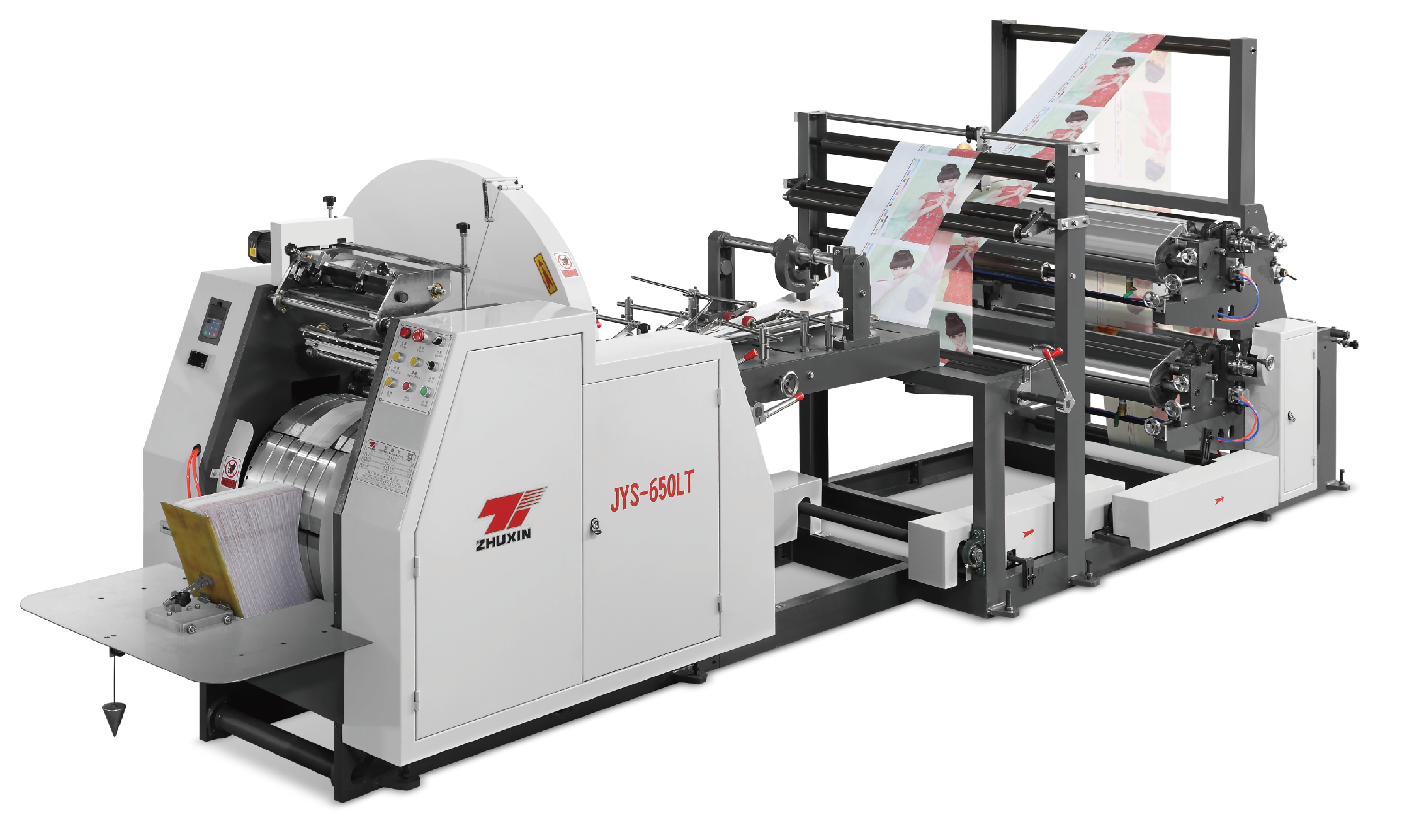
Optimized Footprint for Small Workshops and Startup Production Lines
Compact paper bag making machines were actually designed with tight spaces in mind, which makes them perfect for startups and small workshops that struggle with expensive industrial space. Think about it: in most cities, workshop rent runs around $18 per square foot each year. So when businesses can shrink their machine size, they save money on overhead costs and don't have to expand their facilities as quickly. These machines combine printing, cutting, and sealing all in one unit, which cuts down on the clutter from extra equipment while still keeping production speeds high. Companies that switch to these compact setups often see their return on investment come faster too, sometimes by about 22%. That matters a lot for new businesses entering the packaging market who need every dollar to count.
Modular Construction and Scalable Integration Without Space Compromise
When it comes to scaling up production, modularity turns what was once a problem into something valuable. Instead of tearing apart entire factory setups just to boost capacity, modern equipment allows for incremental improvements right inside existing frames. Think about adding those fast feeders or super accurate glue dispensers vertically instead of spreading out horizontally. The result? Factories keep their precious floor space intact while still cranking out more product. Small and medium sized manufacturers know this all too well since most of them (around two thirds actually) struggle with not having enough room to grow. Another big plus is how standardized connections work between different generations of machinery. This means older parts can talk to newer ones and vice versa, so companies don't end up stuck with outdated gear when better options come along.
Easy Maintenance Features Built into the Paper Bag Making Machine
Tool-Free Access Panels and Standardized Component Layouts
Access panels that don't need tools let operators get to tension rollers, adhesives systems and all those important parts inside really fast. We're talking about cutting down on service stops by around 70% compared to older equipment models. When components are placed consistently throughout different modules, maintenance gets much quicker too. Replacing belts, cleaning nozzles or checking sensors works basically the same way no matter what setup someone is dealing with. New techs pick things up a lot quicker these days. Our experience shows trainees become fully competent about 40% faster than before, which means shorter learning curves and fewer mistakes during their first months on the job.
Wear-Indicator Systems and Predictive Service Alerts
The onboard sensors keep an eye on parts that tend to wear out fast, like drive belts and those spinning cutters. When something starts showing signs it's nearing the end of its life, the system gives off visual warnings through those LED lights that change from green to red. All this information goes into some pretty smart algorithms that look at vibrations happening right now and temperature changes over time. The result? Automated alerts pop up long before anything actually breaks down. Looking at what happens in the field, companies adopting this approach see their unexpected downtime drop by around half. Most maintenance gets done during normal break times in production schedules, which means machines stay running strong most of the time, staying above 95% operational even when demand is highest.
Reliable Daily Operation: Minimizing Downtime in Paper Bag Making Machines
Common Operational Failures—Belt Slippage, Glue Nozzle Clogging, Tension Roller Misalignment—and Proven Fixes
Unplanned downtime remains one of the most costly inefficiencies in paper bag production, eroding annual output by 15–20% in poorly maintained operations. Three recurring failures account for the majority of stoppages—and each has a field-validated resolution:
- Belt slippage: Caused by loss of drive friction, it's resolved in under five minutes by verifying tension gauge readings and re-aligning pulleys—preventing cascading delays.
- Glue nozzle clogging: Prevented through bi-hourly solvent purges using manufacturer-approved solutions during shift transitions—cutting clog-related stoppages by 70%.
- Tension roller misalignment: Detected early via integrated wear-indicator sensors that trigger alerts at deviations exceeding 0.5mm, allowing calibration during scheduled breaks rather than emergency interventions.
When paired with daily inspection routines and predictive alerts, these protocols reduce unexpected downtime by 50% compared to reactive maintenance—helping operators consistently meet the industry benchmark of ‰10% total downtime.
User-Centric Controls: Simplifying Operation for Your Paper Bag Making Machine
The latest generation of paper bag manufacturing equipment simplifies operations thanks to easy-to-use touchscreens backed by solid programmable logic controller technology. Workers can tweak important settings like size measurements, amount of glue applied, and where folds should go just by navigating menus rather than fiddling with physical adjustments. Some industry tests suggest this cuts down on setup times by around 70%, which is pretty impressive for anyone who has dealt with old school machinery. On screen displays show all sorts of running data such as how tight the material is being held, how thick the adhesive remains during application, and what kind of strain motors are under at any given moment. Plus there are these built-in warning systems that pick up problems early so production doesn't get stopped unexpectedly. What makes these machines stand out though is how they let newer employees produce consistently good quality bags without needing years of experience, ultimately cutting down on mistakes that lead to wasted materials and money.
Frequently Asked Questions
What benefits do compact paper bag making machines offer for startups?
Compact designs save on expensive industrial space and overhead costs, offering faster returns on investment which are crucial for startups.
How does modular construction aid in scalable production?
Modular construction allows factories to scale up production without requiring large space, using incremental improvements within existing frames.
What are the key advantages of tool-free access panels in maintenance?
Tool-free access panels reduce service stops by allowing quick access to important components, facilitating faster maintenance.
How do predictive service alerts work?
Predictive service alerts use onboard sensors to monitor wear and issue warnings before crucial components break down, reducing unexpected downtime.
Why are user-centric controls important for modern paper bag machines?
User-centric controls simplify operation, significantly reducing setup times and enabling consistent production quality even for less experienced employees.
Table of Contents
- Why Compact Design Matters for Modern Paper Bag Making Machines
- Easy Maintenance Features Built into the Paper Bag Making Machine
- Reliable Daily Operation: Minimizing Downtime in Paper Bag Making Machines
- User-Centric Controls: Simplifying Operation for Your Paper Bag Making Machine
-
Frequently Asked Questions
- What benefits do compact paper bag making machines offer for startups?
- How does modular construction aid in scalable production?
- What are the key advantages of tool-free access panels in maintenance?
- How do predictive service alerts work?
- Why are user-centric controls important for modern paper bag machines?