
Paper Bag Making Machine for Cost-Effective and Green Packaging: A Complete B2B Guide
Introduction
If you are looking for a way to reduce packaging costs while adapting to increasingly strict environmental regulations, investing in a paper bag-making machine may be a practical solution. In recent years, global demand for sustainable packaging has grown rapidly, driven by policy changes and consumer awareness. According to the United Nations Environment Programme, many countries are actively reducing single-use plastics to promote greener alternatives.
This shift has created new opportunities for manufacturers and distributors who are ready to upgrade their production capabilities. In this article, we will walk you through how paper bag making machines work, why they are cost-effective, and how to choose the right equipment for your business.
What Is a Paper Bag Making Machine?
A paper bag-making machine is an automated industrial system designed to convert paper rolls or sheets into finished bags through a continuous production process. The machine typically integrates feeding, folding, gluing, forming, and cutting into a streamlined workflow, allowing businesses to produce large volumes with consistent quality. Compared to manual production, automated machines not only improve efficiency but also ensure uniformity in size and structure, which is essential for commercial packaging. As packaging requirements continue to diversify, modern machines are also capable of producing different types of bags, including square bottom bags, flat bags, and kraft paper bags, making them suitable for a wide range of industries.
Why Paper Bag Machines Are Key to Green Packaging
1. Reducing Plastic Waste
Governments worldwide are implementing bans on single-use plastics. According to the United Nations Environment Programme (UNEP), Switching to paper bags helps businesses align with environmental regulations and reduce their carbon footprint.
2. Supporting Sustainable Materials
Paper bags are typically made from renewable resources like wood pulp. When sourced responsibly, they are biodegradable and recyclable.
You can refer to sustainability guidelines from the Forest Stewardship Council (FSC)
3. Enhancing Brand Image
Eco-friendly packaging is not just compliance—it’s also a marketing advantage. Many consumers prefer brands that adopt sustainable practices.
Cost Advantages of Paper Bag Making Machines
From a financial perspective, paper bag-making machines offer several long-term benefits that go beyond initial investment costs. Automated systems reduce the need for manual labor, allowing one operator to manage multiple production stages efficiently. This not only lowers labor expenses but also minimizes human error, resulting in fewer defective products. Furthermore, advanced machines are designed to optimize material usage, reducing waste during cutting and forming processes.
Over time, these efficiencies contribute to a strong return on investment, especially for businesses handling bulk orders or supplying wholesale markets. As production scales up, the cost per unit decreases, making the operation more competitive and profitable.
How to Choose the Right Paper Bag Making Machine
Selecting the right machine requires a clear understanding of your business goals and production requirements. Companies that serve retail or food industries may prioritize machines capable of producing customized bags with printing features, while those focusing on wholesale distribution might look for high-speed production capabilities. It is also important to consider the types of paper materials you plan to use, as compatibility with kraft paper or recycled paper can affect both product quality and sustainability goals. Working with a reliable supplier is equally critical, as technical support, spare parts availability, and after-sales service can directly impact long-term operations. A well-chosen machine should not only meet your current needs but also allow room for future expansion.
Applications Across Industries
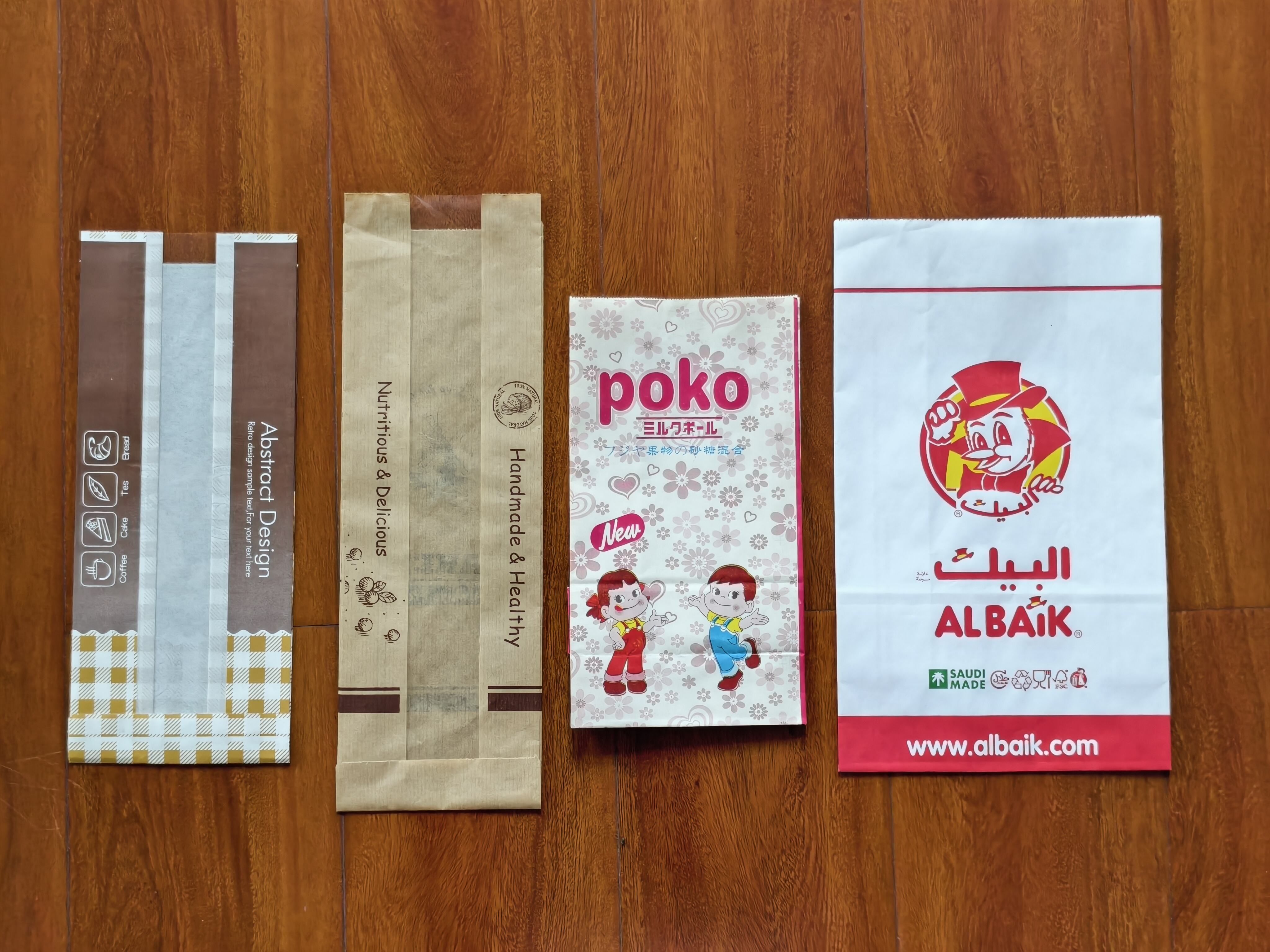
Paper bag-making machines are widely used across multiple industries due to their versatility and efficiency. Supermarkets and retail stores rely on paper bags for daily packaging, while food delivery services increasingly adopt them as a sustainable alternative to plastic. In the fashion and luxury sectors, customized paper bags serve both functional and branding purposes, enhancing the overall customer experience. The growing demand in these sectors continues to drive innovation in machine design and production capabilities, making paper bag manufacturing a promising investment for businesses seeking long-term growth.
FAQ
1. What types of paper bags can these machines produce?
Most modern paper bag-making machines are highly versatile. Depending on the specific model, they can produce square bottom bags (ideal for groceries and retail), V-bottom/flat bags (commonly used for bakery items and snacks), and bags with or without handles (twisted or flat). You can also adjust the machine settings to accommodate different paper thicknesses, such as standard kraft paper or recycled paper.
2. Is it difficult to operate and maintain a paper bag-making machine?
While these are sophisticated industrial systems, they are designed with user-friendly PLC (Programmable Logic Controller) and touch-screen interfaces. This allows a single operator to manage the entire process. Regular maintenance typically involves basic cleaning, lubrication of moving parts, and periodic checks on the gluing system to ensure consistent production quality.
3. How long does it take to see a Return on Investment (ROI)?
ROI depends on your production volume and local market demand, but most businesses see a significant return within 12 to 24 months. By eliminating the need to outsource bags and reducing manual labor costs through automation, the cost per unit drops significantly as your production scales.
4. Can the machine handle custom branding and printing?
Yes. Many high-end paper bag machines come with integrated flexographic printing units or can be synchronized with offline printing equipment. This allows you to print logos, brand colors, and regulatory information directly onto the paper roll before it is formed into a bag, providing a one-stop solution for customized packaging.
5. What is the average production speed of an automated machine?
Production speeds vary by bag size and machine type, but industrial-grade machines typically produce between 100 and 500 bags per minute. This high-speed capability ensures you can meet bulk wholesale orders or sudden spikes in retail demand efficiently.
Conclusion
As the global packaging industry moves toward sustainability, investing in a paper bag-making machine is becoming a strategic decision rather than an optional upgrade. Businesses that adopt this technology early can benefit from reduced costs, improved efficiency, and stronger market positioning. If you are planning to expand your packaging capabilities or transition to eco-friendly solutions, now is the time to explore how automated paper bag production can support your goals. You may also want to explore related insights on packaging trends to better understand future market opportunities.
CTA
If you are looking for a reliable paper bag-making machine manufacturer for bulk production or customized packaging solutions, working with an experienced supplier can make a significant difference in your project's success. With advanced manufacturing capabilities and industry expertise, we provide efficient and durable machines tailored to your business needs. Contact us today to discuss your requirements or request a detailed product catalog.
Table of Contents
- Paper Bag Making Machine for Cost-Effective and Green Packaging: A Complete B2B Guide
- Introduction
- What Is a Paper Bag Making Machine?
- Why Paper Bag Machines Are Key to Green Packaging
- FAQ
- 1. What types of paper bags can these machines produce?
- 2. Is it difficult to operate and maintain a paper bag-making machine?
- 3. How long does it take to see a Return on Investment (ROI)?
- 4. Can the machine handle custom branding and printing?
- 5. What is the average production speed of an automated machine?