
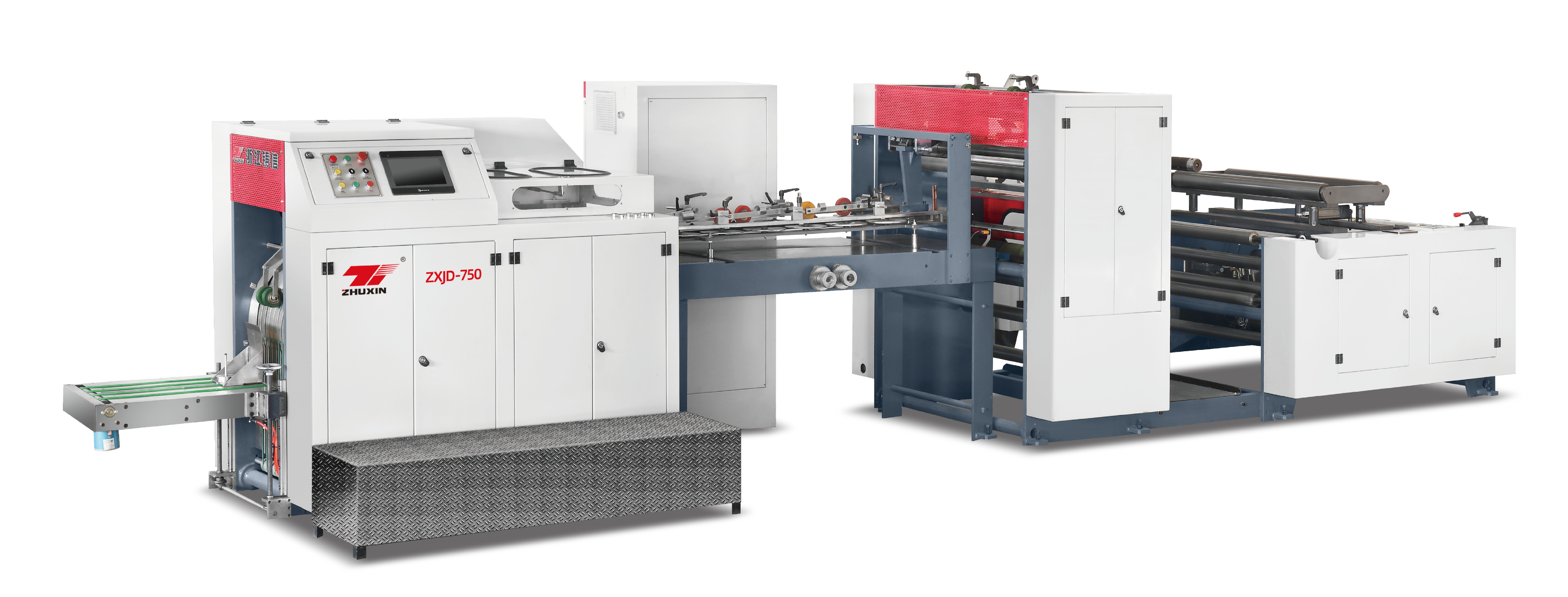
Core Mechanics and Registration Precision in a Professional Flexo Printing Machine
High-Stiffness Modular Frame and Servo-Driven Independent Drive Systems
Professional flexo printing machines need those sturdy modular frames if they want to keep things running smooth at high speeds without all that annoying vibration messing up the job. These frames form the base for those servo driven systems where every print unit works on its own schedule. Compare this to older chain driven setups and there's a world of difference. The new tech gives operators much better control over each station individually. According to Packaging Tech Review from last year, this approach cuts down mechanical backlash by almost 92%. What does that mean practically? More even pressure when the printing plate meets the material being printed on. And let's face it, that consistency makes all the difference when trying to maintain good ink transfer quality and proper alignment throughout those long production runs that can last for hours.
Closed-Loop Optical Registration with Sub-0.05 mm Accuracy at Full Speed
The latest systems feature closed loop optical registration technology capable of scanning those fiducial marks at speeds exceeding 1,000 sheets per minute. The real time feedback mechanism tweaks plate positions in just milliseconds, keeping accuracy below 0.05 mm even when running at 300 meters per minute. What does this mean for production? Well, studies show these systems cut down on misregistration waste by around 37% compared to older open loop approaches. When dealing with tricky elements like halftone patterns, tiny text, or barcode printing, this level of precision makes all the difference. It keeps edges crisp, stops those annoying ghost images from appearing, and maintains those critical brand details that matter so much on tough packaging materials like shrink films and corrugated boards.
Advanced Flexo Plate Technology for Superior Image Fidelity
CDI Quartz Imaging and Digital Plate Mounting for Consistent Dot Reproduction
Today's flexographic printing equipment relies on Computer-to-Plate (CDI) quartz imaging technology to produce photopolymer plates with resolutions that can go beyond 5,000 dpi. These systems combine digital mounting processes, UV exposure techniques, and automated processing which largely gets rid of those pesky analog inconsistencies we used to deal with. According to various industry reports, CDI technology cuts down on dot gain by somewhere between 30% and 50% compared to older methods. This makes a big difference when trying to reproduce colors accurately across the entire spectrum from 1% to 99%. The closed loop system works wonders for keeping ink distribution consistent throughout long print runs. For brands running packaging jobs over 100,000 impressions, this matters a lot since even small variations can throw off color matching. Plus, these machines maintain plate positioning within about 0.03 mm accuracy during production, something that helps maintain quality standards from start to finish.
Laser-Textured Plate Surfaces and Edge-Sharpening Algorithms for Crisp Halftones
Laser ablation produces those tiny textured patterns on printing plates that help control how ink gets released during the process. At the same time, special edge sharpening techniques work their magic on highlights and shadows, making everything look crisper. When combined, these technologies allow printers to work with stable 200 lines per inch halftone screens, creating images with sharp transitions between light and dark areas plus nice smooth color blends. What's really interesting is how the micro cellular structure actually boosts the surface area by around 15 to maybe even 25 percent. This means better ink transfer without messing up those delicate dots we all rely on. Tests have shown that prints made with this tech can deliver about 40% more contrast in those middle tones compared to regular plates. And let's face it, that kind of contrast is exactly what gives products that eye catching "pop" when they sit on store shelves competing against dozens of other items. For flexo printing operations, this represents a game changer since it lets them achieve image quality similar to gravure printing but still keeps those quick setup times that make flexo so valuable in fast paced production environments.
Precision Ink Transfer: Doctor Blades, Anilox Rolls, and Flow Optimization
Ceramic Anilox with Q-Cell Geometry and Adaptive Doctor Blade Pressure Control
Modern flexo printing machines achieve unmatched ink-transfer precision through two core innovations:
- Ceramic-coated anilox rollers with Q-Cell geometryâlaser-engraved cells deliver uniform ink volumes (<±2% variation), minimizing dot gain and preventing color drift.
- Adaptive chambered doctor blade systems, which dynamically adjust pressure based on speed and ink viscosity. Dual-blade configurations (metering + containment) maintain optimal ink film thickness, cutting waste by up to 40%.
| Feature | Impact on Print Quality |
|---|---|
| Q-Cell geometry | 22% sharper halftones vs. hexagonal cells |
| Real-time pressure control | Reduces ink splatter by 67% (high-speed trials) |
Sealed chambers prevent solvent evaporation, preserving viscosity consistency. Together, these technologies eliminate motling and streaking while significantly reducing makeready time.
Real-Time Color Management and Process Automation for Consistent Output
Inline Spectrodensitometry with Closed-Loop Ink Key Adjustment (ÎE*ab Reduction up to 37%)
Flexo printing machines designed for professionals maintain consistent colors thanks to built-in spectrodensitometers and systems that adjust ink flow automatically. These devices keep scanning the printed material constantly, checking it against industry standards like G7 or specific brand requirements as they go along. If there's a noticeable difference beyond what's acceptable, typically around 1.5 units on the color scale, the machine makes adjustments itself to fix the problem areas. This kind of self-correction helps keep everything within spec no matter what materials are being used or how long the print run lasts. It also gets rid of those pesky human errors when judging colors by eye and cuts down significantly on wasted product caused by color mismatches all while keeping the production line moving at full speed.
FAQ Section
What is the role of servo-driven independent drive systems in flexo printing machines?
Servo-driven independent drive systems allow each print unit to operate on its own schedule, providing better control and reducing mechanical backlash by approximately 92% compared to older systems. This ensures more even pressure during the printing process, leading to consistent ink transfer quality and proper alignment.
How does closed-loop optical registration work at high speeds?
Closed-loop optical registration technology scans fiducial marks at high speeds and adjusts plate positions in milliseconds. This maintains accuracy below 0.05 mm even at 300 meters per minute, reducing misregistration waste by 37% compared to older approaches.
What are the benefits of using CDI Quartz Imaging technology?
CDI Quartz Imaging enables the production of photopolymer plates with resolutions beyond 5,000 dpi. It reduces dot gain by 30% to 50%, ensuring color accuracy across a wide spectrum, and maintains plate positioning accuracy within 0.03 mm during production.
Why are ceramic anilox rollers with Q-Cell geometry important?
Ceramic anilox rollers with Q-Cell geometry have laser-engraved cells that deliver uniform ink volumes with less than 2% variation, minimizing dot gain and preventing color drift. This results in 22% sharper halftones compared to hexagonal cells.
How do flexo printing machines ensure consistent color management?
Flexo printing machines utilize inline spectrodensitometry and closed-loop ink key adjustment systems to maintain consistent colors. By continuously scanning printed material against industry standards, these systems self-adjust to correct color differences, reducing human error and wasted product.
Table of Contents
- Core Mechanics and Registration Precision in a Professional Flexo Printing Machine
- Advanced Flexo Plate Technology for Superior Image Fidelity
- Precision Ink Transfer: Doctor Blades, Anilox Rolls, and Flow Optimization
- Real-Time Color Management and Process Automation for Consistent Output
-
FAQ Section
- What is the role of servo-driven independent drive systems in flexo printing machines?
- How does closed-loop optical registration work at high speeds?
- What are the benefits of using CDI Quartz Imaging technology?
- Why are ceramic anilox rollers with Q-Cell geometry important?
- How do flexo printing machines ensure consistent color management?