
Walk into any supermarket, bakery, or clothing store today and you will notice something that was rare a decade ago: paper bags, everywhere. The global shift from plastic to paper packaging is one of the defining industrial trends of our time, reshaping supply chains, retail operations, and manufacturing investment decisions on every continent. This transition is not a passing fad — it is driven by hard environmental data, tightening regulations, and a consumer base that increasingly votes with its wallet. For manufacturers, the question is no longer whether the market will move to paper, but how fast it will move — and who will be ready to supply it.
1. The Environmental Case for Paper
The environmental footprint of single-use plastics is well documented. Conventional plastic bags are produced from fossil fuels, typically used for minutes, and then persist in the environment for hundreds of years. A significant share of plastic waste ends up in oceans — millions of tonnes annually — where it breaks into microplastics that enter the food chain. Recycling rates for plastic bags remain low worldwide, and even in regions with collection systems, the economics of recycling lightweight plastic film are weak.
Paper bags tell a different story. Kraft paper is made from renewable wood fiber — sustainably managed plantations regrow the trees used — and the production process has improved dramatically in energy efficiency over the past two decades. Paper bags are fully recyclable in standard paper streams, compostable in many cases, and biodegrade naturally in months rather than centuries. Life-cycle assessments show that while paper production carries its own energy and water costs, the end-of-life profile — and the fact that fiber can be recycled multiple times — gives paper a decisive advantage for single-use carrier applications in most regions.
2. Regulation: The Most Powerful Driver
Regulation is the most powerful driver of the plastic-to-paper transition. Over 90 countries have introduced full or partial bans on single-use plastic bags, and the list grows every year:
-
European Union: The Single-Use Plastics Directive targets the most found plastic items on beaches and requires member states to reduce consumption of lightweight plastic carrier bags, pushing retailers toward paper alternatives.
-
East and Southern Africa: Countries including Kenya, Rwanda, and Tanzania have implemented some of the world's strictest plastic bag bans, with heavy fines for production and import. Local paper bag manufacturing has boomed as a result.
-
Middle East and Asia: Markets from the Gulf states to Southeast Asia have introduced fees, bans, or phase-out targets for plastic bags, often coupled with incentives for paper packaging.
-
South America: Multiple countries have banned thin plastic bags at checkout counters, accelerating the switch in supermarkets and pharmacies.
Each new ban converts a previously captive plastic market into paper demand — and creates an opening for local manufacturers who can supply quickly and reliably.
3. Consumer Demand: The Pull Factor
Regulations push the market; consumers pull it. Surveys consistently show that a majority of shoppers across global markets prefer paper packaging for its environmental profile and premium feel. Brand owners have responded: coffee chains, fast-food giants, fashion retailers, and supermarkets have publicly committed to eliminating or reducing plastic packaging, and paper bags are the primary replacement.
The consumer preference matters beyond sentiment — it carries a price premium. Studies of retail behavior show that customers accept paying more for sustainable packaging, and retailers view paper bags as a branding tool rather than a cost center. The unprinted, disposable plastic carrier is being replaced by printed kraft paper bags that carry logos, slogans, and a green message — a transformation that multiplies the value of each bag produced.
4. The Manufacturing Opportunity
For entrepreneurs and manufacturers, the transition represents a rare combination of tailwinds:
-
Demand is structural, not cyclical. Plastic bans do not get reversed; they get expanded. Demand for paper bags grows year over year regardless of short-term economic swings.
-
Margins improve with printing. Unprinted commodity bags compete on price, but printed, branded bags — the segment growing fastest — command substantially better margins.
-
Entry barriers are manageable. A modern paper bag machine such as the Zhuxin ZXFD-290 square bottom model produces up to 200 bags per minute from a single operator, making even small factories competitive.
-
Markets are underserved. In Africa, the Middle East, and parts of Southeast Asia, plastic bans have arrived faster than local paper production capacity, creating supply gaps that imports and new factories are only beginning to fill.
The main risk — raw material price volatility for kraft paper — is manageable through supplier diversification and volume planning, the same way any packaging producer manages input costs.
5. Positioning Your Factory for the Coming Years
If you already run, or plan to start, a paper bag line, position yourself for the coming years:
-
Build flexibility into your line. Choose machines with wide size and paper ranges so you can pivot between bakery bags, shopping bags, and specialty products as demand shifts.
-
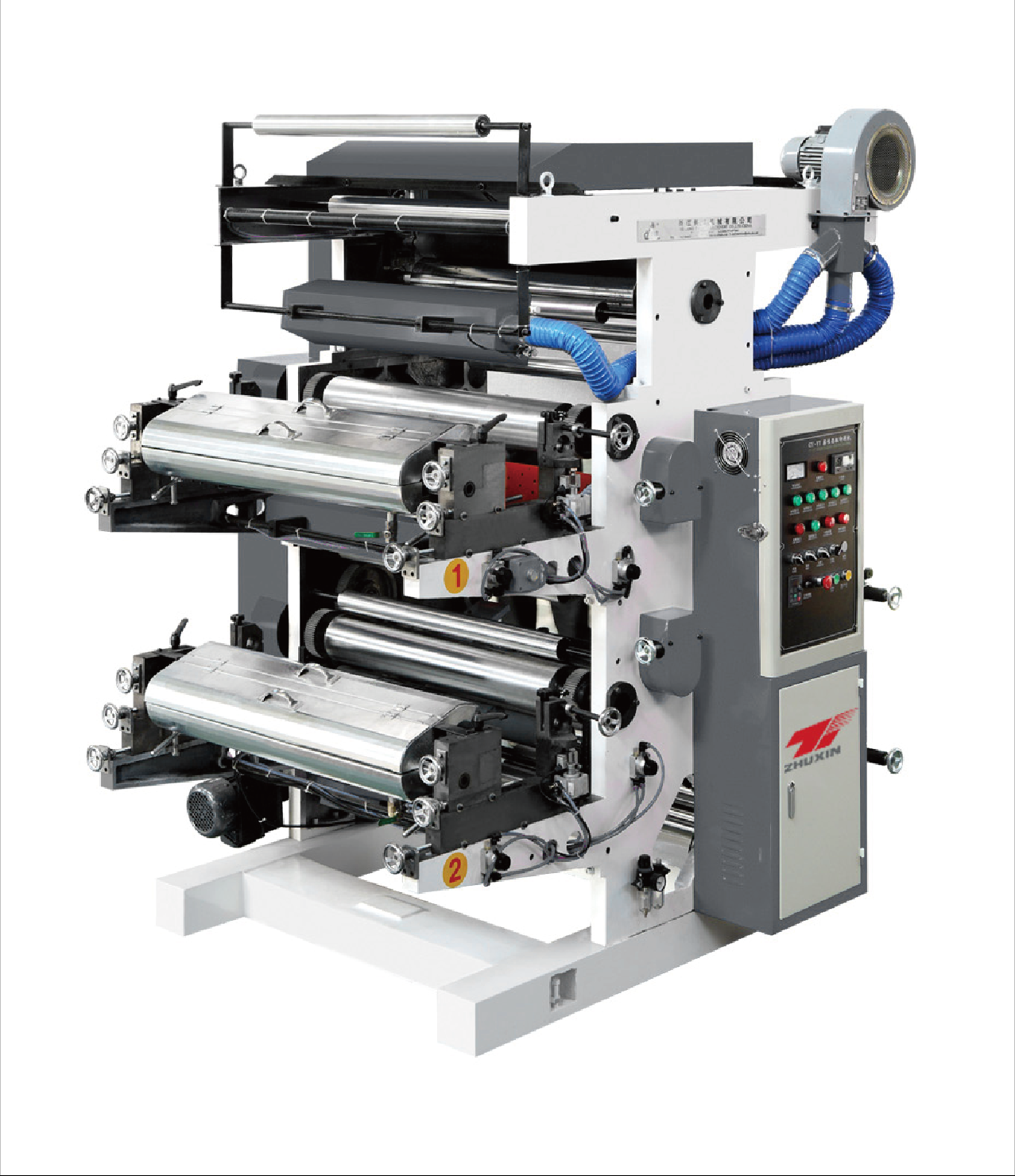
Add printing capability. Branded bags are where the growth and margin are. Consider inline flexo printing or a standalone flexo press.
-
Certify food-grade production. As paper replaces plastic in food packaging, food-safety certification becomes a competitive advantage.
-
Prepare for export markets. If your local market is small, regional plastic bans create export opportunities; verify the packaging and labeling rules of target countries.
Conclusion
The world is not merely experimenting with paper packaging — it is converting. Environmental data, government regulation, and consumer preference are aligned in a way that happens rarely in industrial history, and the paper bag is the primary beneficiary. For producers, the window is open now: markets are growing, supply gaps exist, and the brands that will dominate sustainable retail are actively seeking reliable bag manufacturers.
Zhejiang Zhuxin Machinery Co., Ltd has helped factories across Africa, Southeast Asia, the Middle East, and South America capture this opportunity. Our ISO 9001 certified paper bag machines — square bottom, sharp bottom, and middle sealing models, plus YT-S flexo printing presses — are backed by lifetime after-sales support and full technical assistance, from installation to operator training. Contact Zhuxin today and put your factory at the center of the paper packaging transition.