
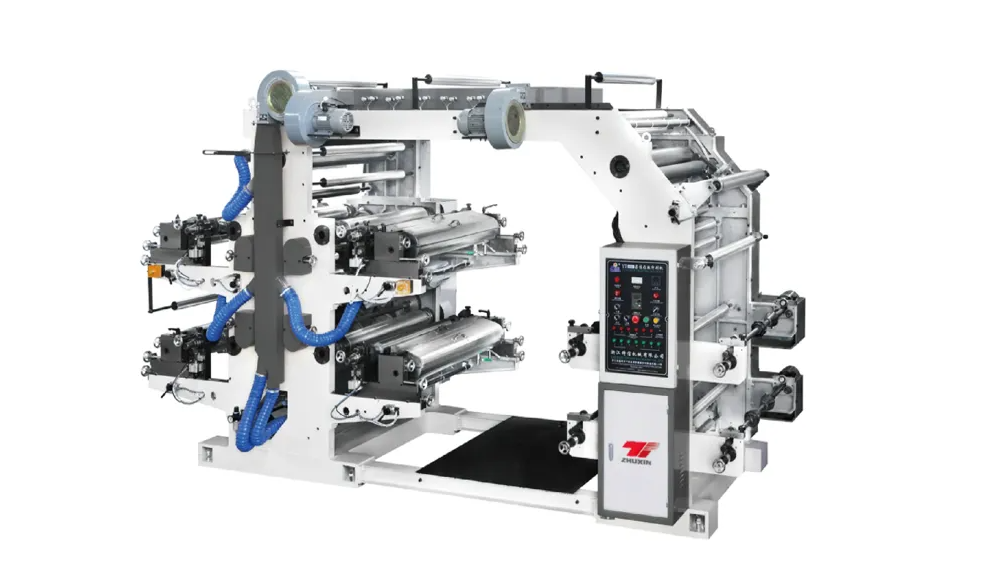
Meeting the Strict Hygiene Standards That Food and Pharma Demand
When a packaging converter runs material that will wrap a chocolate bar or a sterile syringe, the printing process itself must not introduce any contamination. Food safety regulations like FDA 21 CFR and EU Framework Regulation 1935/2004 make it very clear that substances migrating from packaging into the product must not pose a health risk. For flexo printing, this pushes the focus onto low migration inks, clean manufacturing practices and press designs that minimize ink mist and solvent residues. A mid sized bakery packaging supplier once mentioned that their old open pan flexo press constantly released solvent vapor into the shop, and they had to invest in expensive air extraction just to keep the working environment safe. After switching to an automatic flexo press with fully enclosed doctor blade chambers and water based inks, the air quality improved enough that their line operators stopped wearing respirators. The closed ink loop prevents evaporation, keeps viscosity consistent and stops dust from settling into the ink tray. This kind of system also eliminates the risk of a stray drop of ink landing on the substrate, which is critical when printing the inside of a food wrapper. Industry guidelines from organizations like the European Flexographic Industry Association highlight that enclosed chamber systems are the baseline for any food packaging press today, not an optional extra.
Automation That Removes Human Contact and Contamination Risk
Every time an operator touches the ink, adjusts a register knob or manually cleans a plate, there is a chance that a fingerprint, a loose fiber or a chemical residue ends up on the packaging material. Automatic flexo presses address this by moving the operator away from the print units. Servo driven print cylinder positioning with digital pre register means that setup is done from a touchscreen. The press calls up a stored recipe, all stations jog to their correct positions and the impression is on spec within a few sheets. A pharmaceutical carton printer shared how they automated the entire wash cycle for a six color press. Instead of a crew of three spending forty minutes scrubbing ink trays and anilox rolls by hand, the press now runs an automatic wash program using a closed cleaning solution loop. The ink decks are cleaned in place, and the waste solvent is collected in a sealed container for disposal. That change not only improved occupational health but also reduced the risk of cross contamination between jobs. In pharmaceutical packaging, where batch traceability is sacred, that capability is worth its weight in gold. The U.S. Food and Drug Administration’s Current Good Manufacturing Practice for medical devices and pharmaceuticals points to the importance of process controls that prevent human borne contamination. An automatic flexo press with hands free wash and recipe management directly answers that requirement.
Precision That Captures Every Fine Detail and Traceability Code
Food packages need crisp nutritional panels and tiny ingredient lists. Medicine cartons need razor sharp barcodes, 2D matrix codes and serialization data that a scanner must read without fail at every point in the supply chain. A flexo press that drifts out of register by a tenth of a millimeter can make a Data Matrix code unreadable, and that single failure can mean a full batch rejection in the pharma world. Automatic flexo presses built with servo motors on every print station eliminate the gear train play that causes slow drift. They also typically run with automatic register control that uses cameras to detect micro marks and adjust cylinder position in real time. A generics manufacturer once reported that after installing a servo driven automatic flexo press, their code readability rate on folding cartons shot up from 97.2 percent to 99.8 percent, and the borderline quality alerts from downstream automated inspection basically stopped. That improvement translated into tens of thousands of cartons saved from the reject bin each quarter. When print buyers in the medical sector audit a packaging supplier, they zero in on this kind of capability. They want to see the machine verification logs and register trend data, not just a brochure. An automatic flexo press that generates a quality report after every job builds instant trust with the most demanding customers.
Fast Changeovers That Match the Reality of Short Batch Production
The days of printing a million identical cereal cartons in one go are not over, but for many converters serving food and pharma markets, the real work is short runs and frequent product changeovers. A contract packaging printer handling ten different nutraceutical SKUs a day simply cannot afford an hour of downtime per job change. Automatic flexo presses that feature quick release anilox sleeves, motorized print cylinder positioning and recipe based pre register can cut changeover time down to ten or twelve minutes for a full color switch. A label converter producing pressure sensitive labels for supplement bottles described how their two man crew used to struggle with thirty five minute job changes on a mechanical press, often losing the first hundred impressions to setup waste. After moving to an automatic press with servo drives and tool less anilox change, the crew now spends roughly eleven minutes per change and the setup waste dropped by nearly sixty percent. That waste reduction is not just about cost. In food packaging, any printed waste that ends up in the wrong recycling stream can create headaches for the brand owner’s sustainability reporting. An automatic flexo press that generates fewer misprints helps converters deliver on the environmental promises their customers are making to consumers.
Built In Reliability for Regulated Environments
A press that breaks down during an urgent order for infant formula cartons or sterile device pouches causes far more damage than repair costs. It can freeze a whole production line downstream and trigger a notice of non compliance with the pharmaceutical client. Automatic flexo machines designed for regulated industries build in redundancy and self diagnostics. Temperature controlled UV cassettes prevent overheating that would otherwise warp the frame and ruin registration. Automatic lubrication systems grease the bearings on schedule without relying on an operator’s memory. A dairy packaging plant that switched to an automatic flexo press with IoT remote monitoring found that the machine now sends an alert to the maintenance team’s phones when a bearing temperature drifts even a few degrees above baseline. That early warning let them schedule a bushing replacement during a planned weekend shutdown instead of discovering it through a crash on a busy weekday. Engineers who design presses for food and pharma lines also pay close attention to the materials that touch the product. Stainless steel wash down components and certified food grade lubricants are standard choices for the parts of the machine that sit near the unwind and rewind sections where operators handle the substrate. These details may seem small, but they add up to a press that passes a pharma quality audit with zero observations.
How Zhuxin Delivers Fully Automatic Flexo Presses Purpose Built for Sensitive Packaging
Building a press that meets all these food and pharma requirements is as much about manufacturing discipline as it is about clever design. Zhuxin operates its own production facility where every automatic flexo press is assembled under controlled conditions and undergoes a full print validation before crating. Their engineering team collaborates with each buyer to configure the right combination of enclosed doctor blade systems, servo drives, web cleaning units and UV curing modules for the specific packaging substrates they run. Beyond the machine, Zhuxin’s supply chain management ensures that consumables like anilox rolls, doctor blades and UV lamps are always available, often shipped alongside the press in a startup kit so the converter can begin production without waiting for extra parts. A packaging converter who took delivery of a six color automatic flexo press from Zhuxin recently mentioned that the press was running register worthy food wrap within four days of the commissioning engineer leaving. When a medium sized enterprise chooses a flexo press partner, they need more than a specification sheet. They need a manufacturer that treats hygiene, precision and uptime as seriously as the brand owners who will audit their line. Zhuxin has built its reputation by doing exactly that, delivering automatic flexo printing machines that make food and medicine packaging safer, sharper and more cost effective.
Table of Contents
- Meeting the Strict Hygiene Standards That Food and Pharma Demand
- Automation That Removes Human Contact and Contamination Risk
- Precision That Captures Every Fine Detail and Traceability Code
- Fast Changeovers That Match the Reality of Short Batch Production
- Built In Reliability for Regulated Environments
- How Zhuxin Delivers Fully Automatic Flexo Presses Purpose Built for Sensitive Packaging