Innovation and Mutual Success: How Fully Automated Printed Paper Bag Machines Are Reshaping Packaging Production
In today's business world, where efficiency, sustainability, and brand differentiation are paramount, packaging has evolved far beyond being a mere product container. It now serves as a mobile billboard and a conduit for conveying brand values. For packaging manufacturers, printers, and even end brands, investing in a fully automated printed paper bag machine is no longer a simple equipment purchase—it represents a profound strategic upgrade. This machine transforms the traditional multi-step, highly dependent production model into an integrated, intelligent, and efficient assembly line. Its significance manifests across several key dimensions.
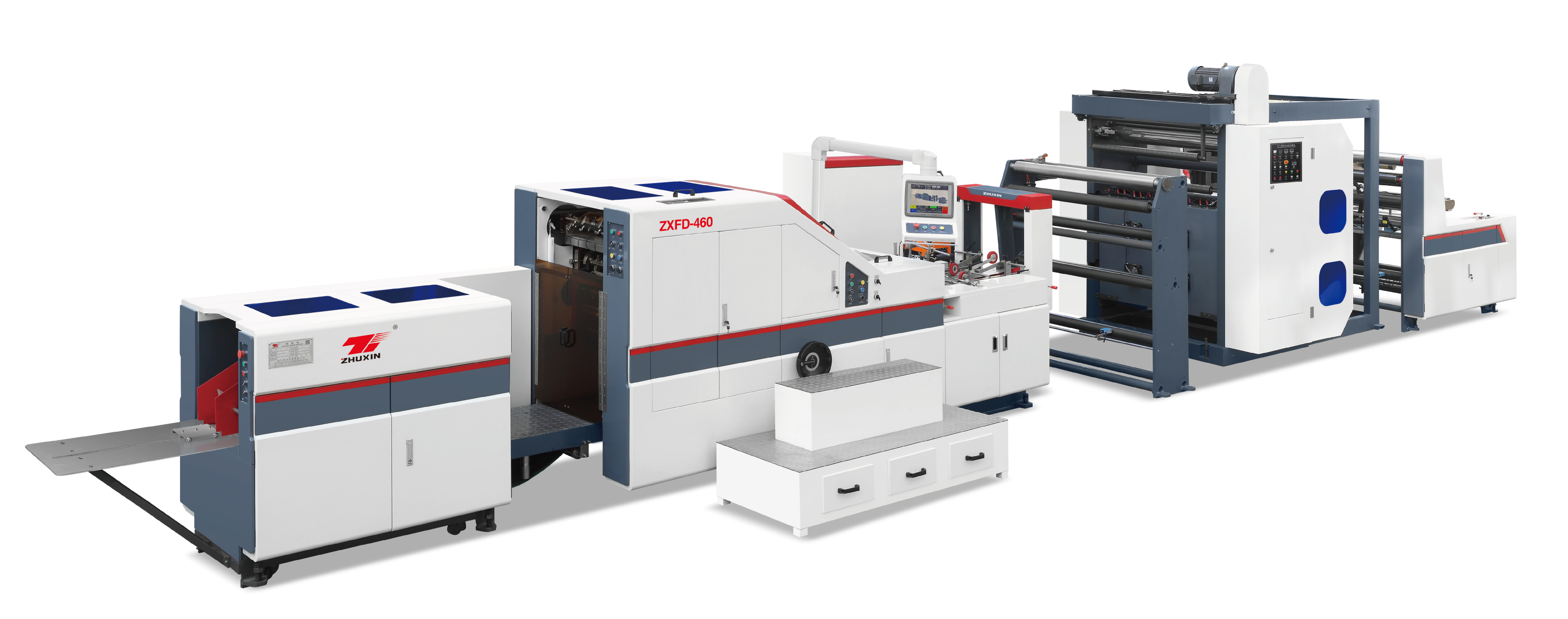
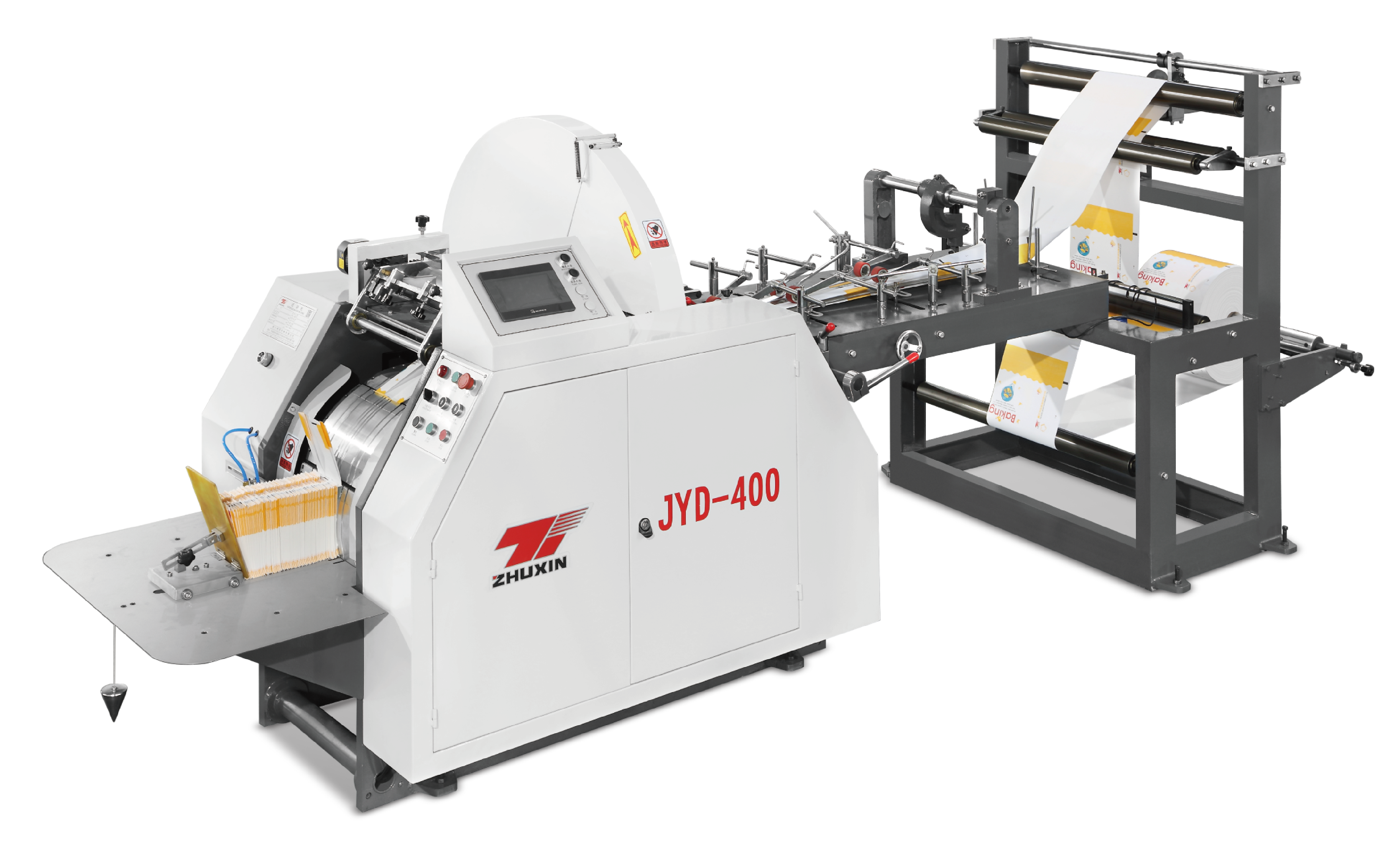
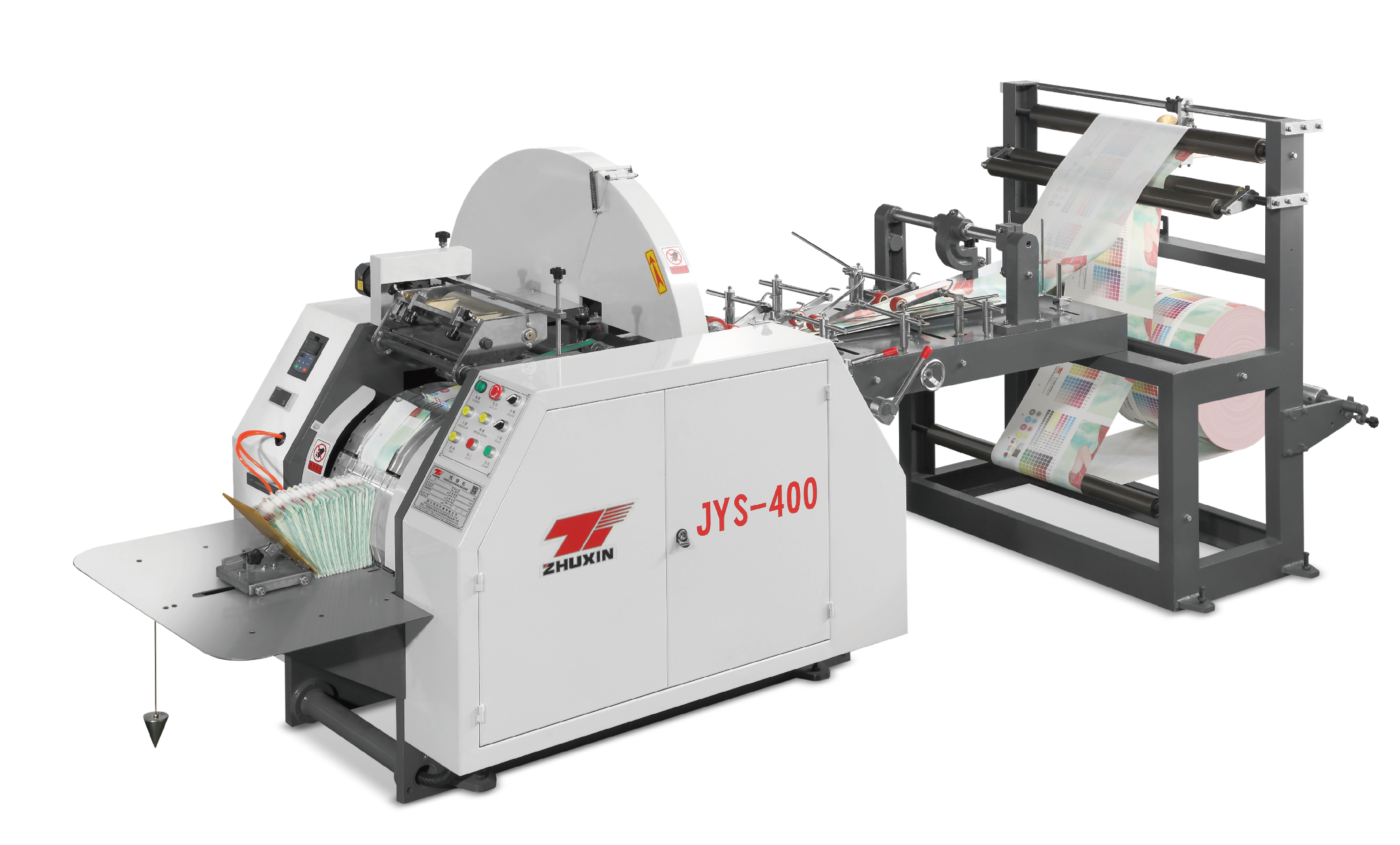
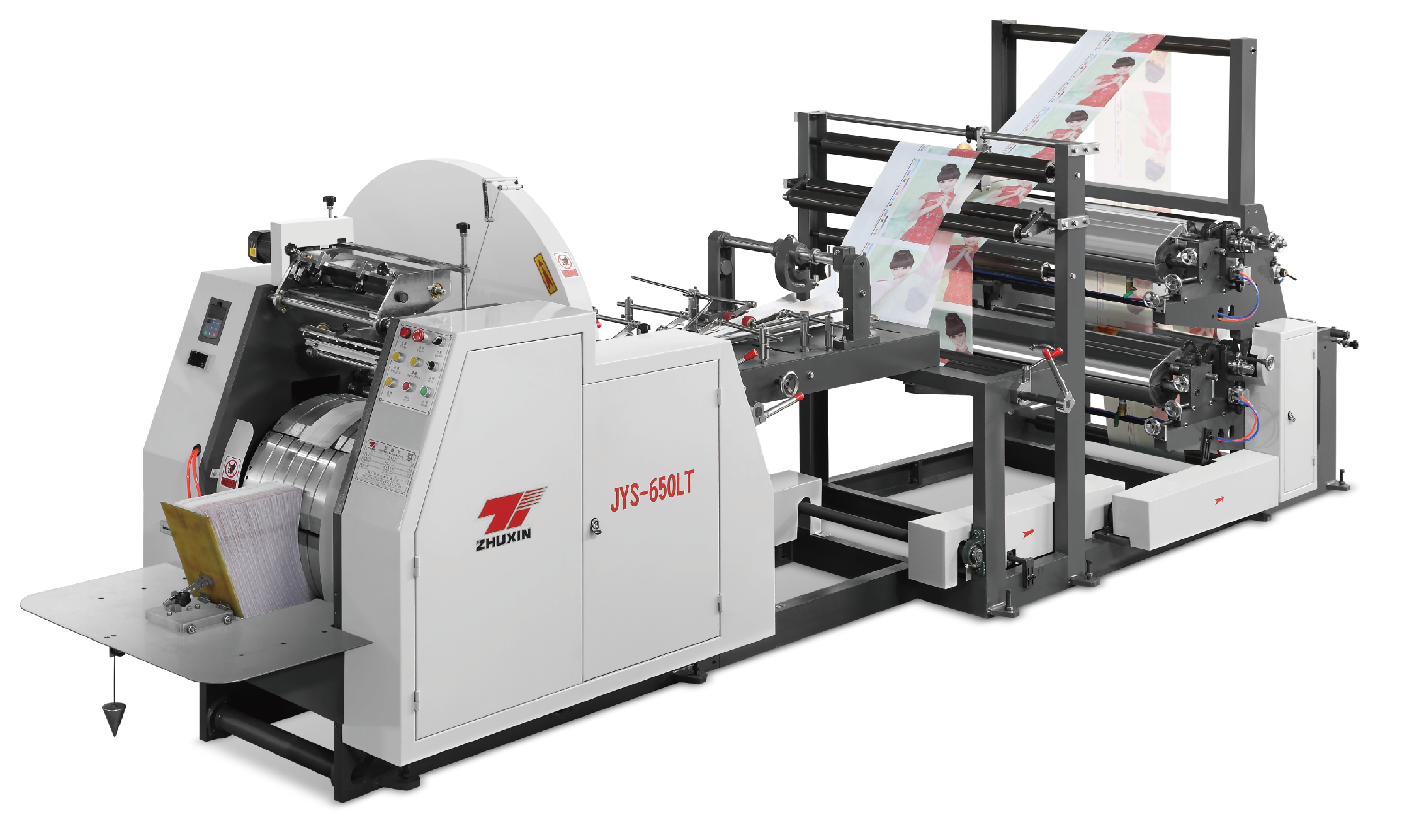
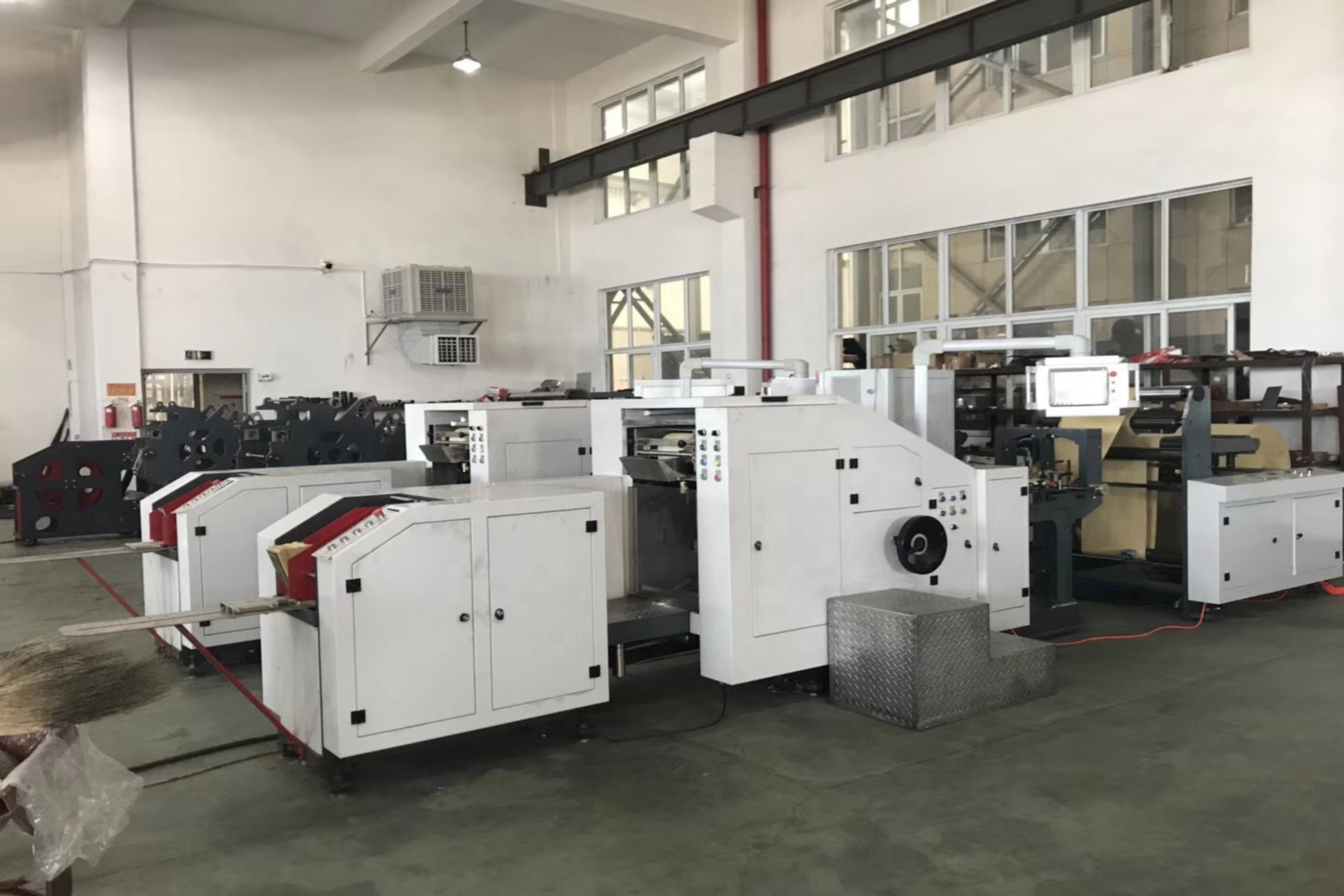
First, it achieves a paradigm shift in production—moving from “fragmented” to “integrated.” Traditional paper bag production required multiple independent steps—printing, material transfer, and machine processing—each accompanied by time delays, material waste, human error, and coordination costs. The revolutionary aspect of fully automated integrated equipment lies in its ability to seamlessly complete the entire process—from feeding roll paper into the machine to achieving exquisite printing, precise die-cutting, and forming with glued bottoms—on a single continuous production line. This integration drastically reduces material handling and storage requirements in intermediate stages, significantly shortens delivery cycles, and lowers reliance on manual labor, achieving exponential gains in production efficiency.
Second, it spearheads an agile revolution in brand marketing, making “small-batch, personalized production” a core competitive advantage. In today's rapidly evolving market, brands must swiftly respond to trends and deliver customized packaging for diverse campaigns and clients. Traditional decentralized production models struggle to support economical small-batch production due to high plate-making and machine-setup costs. Fully automated printing equipment, however, makes rapid pattern switching and short-run order fulfillment effortless. Brands can test new designs at lower costs, while retailers can equip distinct product lines with exclusive packaging—greatly enhancing market responsiveness and customer satisfaction.
Moreover, it delivers direct and profoundly positive impacts on corporate profitability. The economic benefits of this equipment are multifaceted: on one hand, it directly reduces production costs by saving labor, minimizing material waste, and lowering energy consumption; on the other, its high output and rapid delivery capabilities enable businesses to secure more orders and establish market advantages through shorter lead times, directly driving revenue growth. This means the return on investment stems not only from “cost savings” but also from “revenue generation.”
Moreover, it aligns perfectly with the global mission of sustainable development. As environmental awareness grows, demand for paper bags as plastic alternatives surges. This equipment itself exemplifies green production: its precise manufacturing control drastically reduces raw material waste; the integrated production process lowers overall energy consumption; and crucially, it serves as the core engine for producing eco-friendly packaging, helping brands fulfill environmental commitments and establish a responsible corporate image in the eyes of consumers and partners.
Ultimately, this investment represents a crucial “future-proofing” move for enterprises. In the Industry 4.0 era, such high-end equipment typically incorporates data monitoring and IoT capabilities, laying the groundwork for predictive maintenance and digitalized production management. Simultaneously, fully internalizing core production processes enhances a company's resilience against external supply chain risks.
In summary, the strategic value of fully automatic printed paper bag making machines extends far beyond their mechanical attributes. They serve as enablers, empowering enterprises to enhance efficiency, strengthen brands, optimize profits, and fulfill environmental commitments. These machines represent a critical tool for leading companies to build competitive moats in fiercely contested markets.