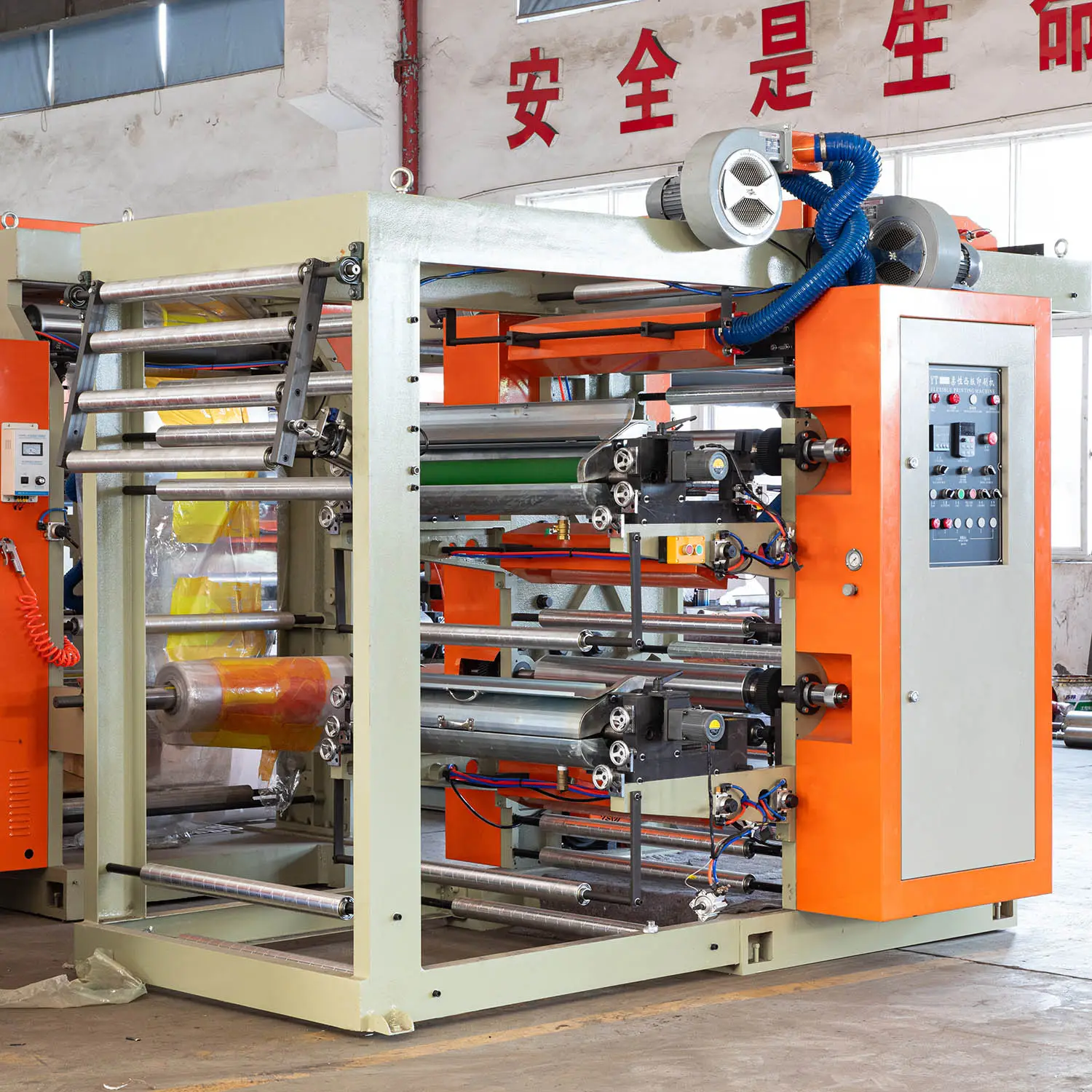
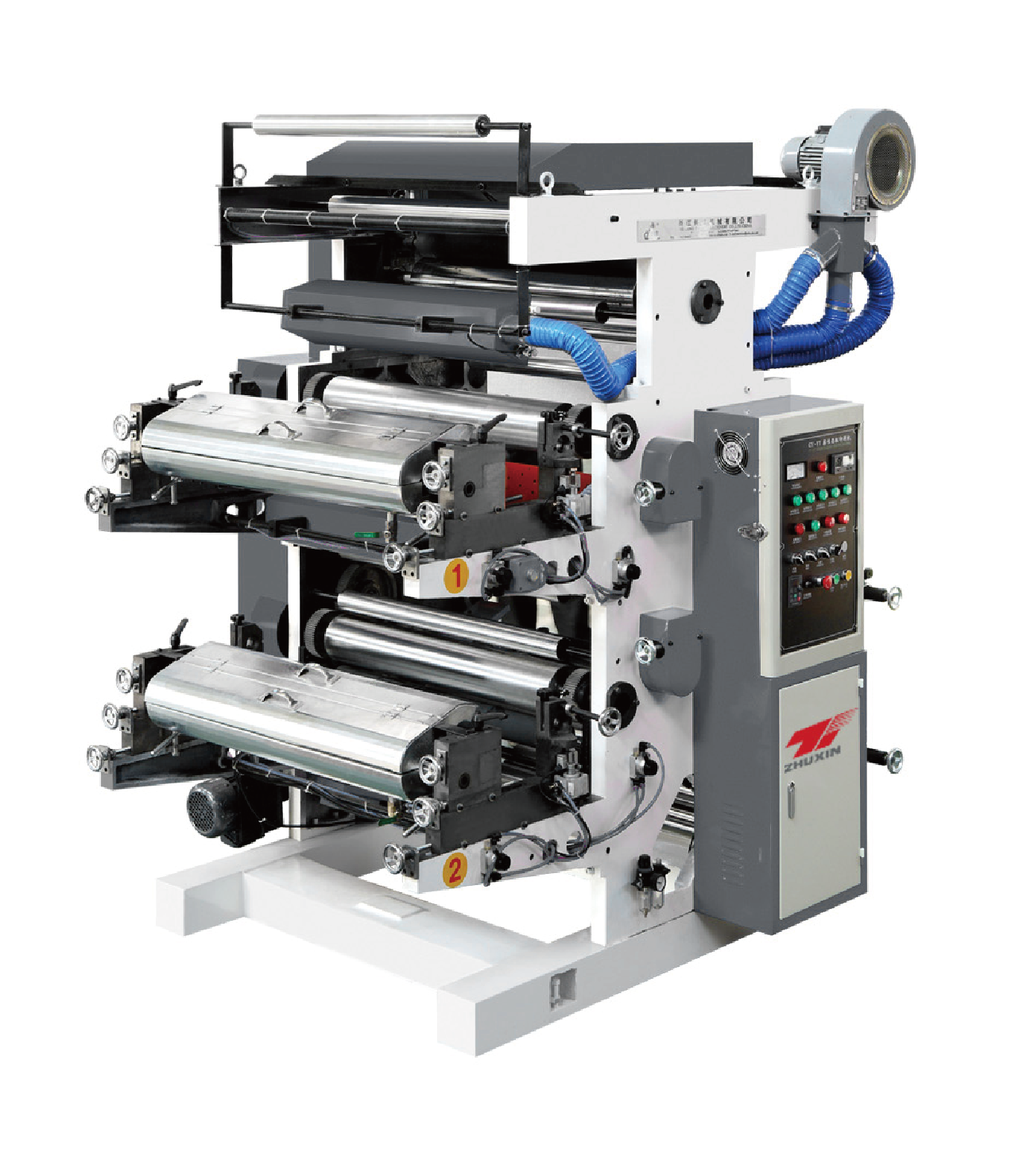
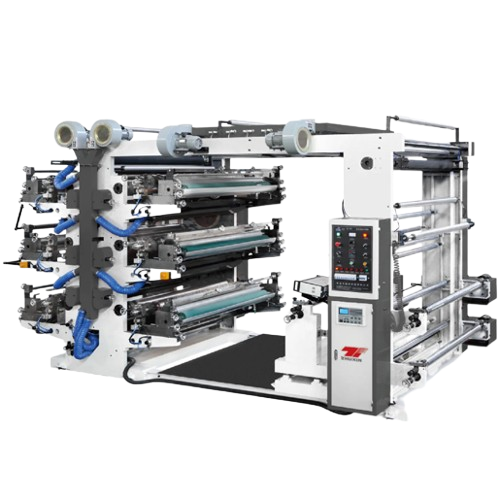
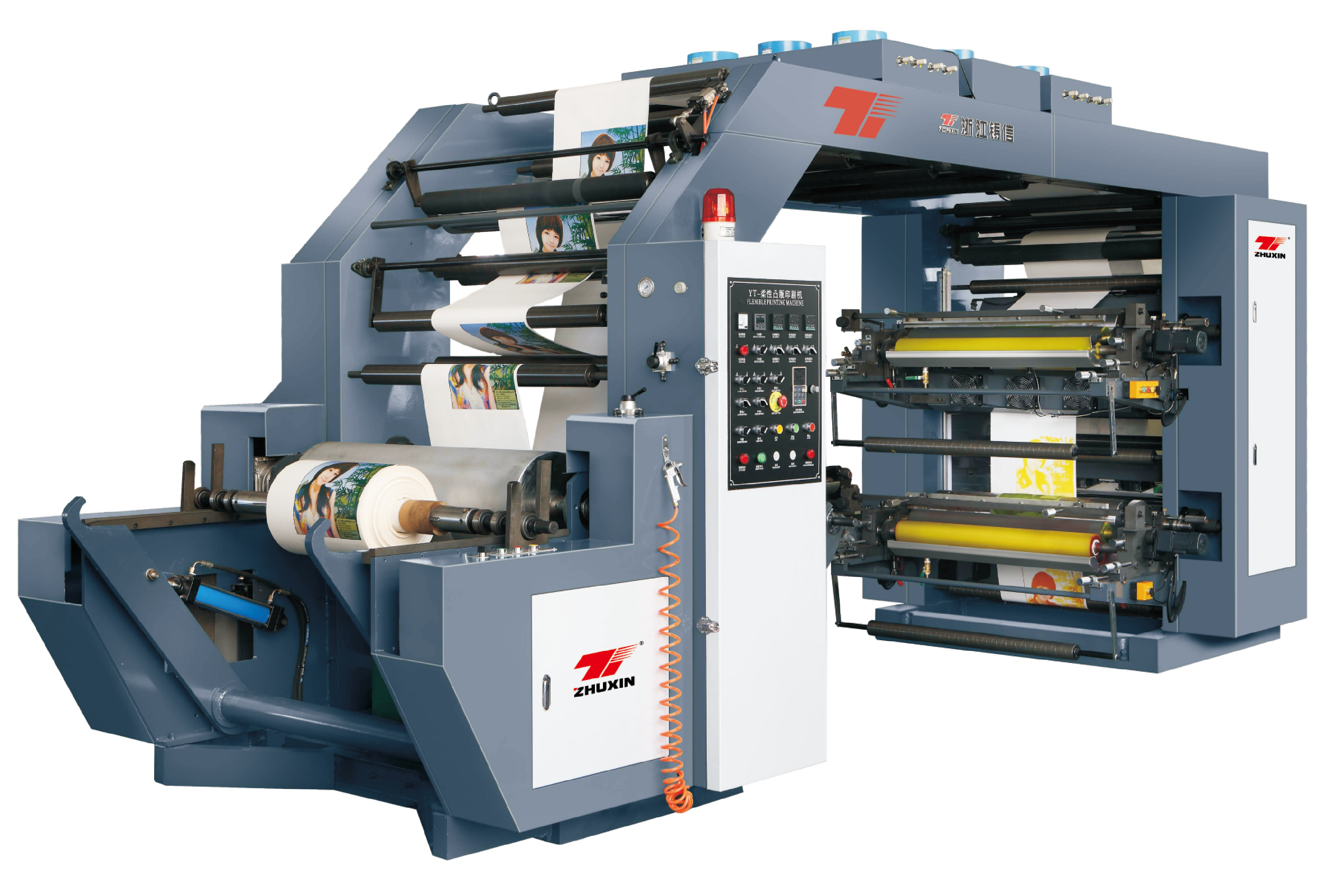
The Core Importance of Flexographic Printing Presses: The Cornerstone of the Modern Packaging World
In today's fiercely competitive market environment, product packaging plays a pivotal role as the “silent salesperson.” It must deliver eye-catching visuals, withstand the rigors of transportation, and enable large-scale, efficient production. It is precisely within this context that flexographic printing presses demonstrate their irreplaceable importance. Far more than just a printing process, it serves as the backbone of the global packaging industry. With its exceptional versatility, production efficiency, and continuously improving print quality, it meets the increasingly demanding requirements of modern brands.
The foremost importance of flexographic printing lies in its unparalleled material adaptability. Unlike many technologies limited to paper printing, flexography delivers stable, high-quality results on a vast array of substrates. From protective corrugated boxes, flexible packaging films and stand-up pouches for food and consumer goods, to intricate labels for beverages and cosmetics, and premium color boxes for electronics—flexographic presses handle it all with ease. This exceptional “one-machine-multiple-uses” flexibility offers manufacturers an ideal solution for streamlining production workflows and reducing equipment investment costs, making it a highly efficient and economical cornerstone of operational systems.
Beyond versatility, flexographic presses are engineered for high-speed, high-volume production, making them indispensable in time-sensitive packaging and label printing. Their mechanical design incorporates advanced features like quick-change plate systems and center-mounted cylinder configurations, drastically reducing job changeover times. This significantly boosts overall equipment effectiveness, enabling manufacturers to respond swiftly to market demands and achieve substantial return on investment.
Notably, modern flexographic printing technology has long dispelled the outdated perception of “poor print quality.” Thanks to rapid advancements in laser-engraved ceramic anilox rolls, high-resolution photopolymer plates, UV curing, and water-based inks, flexographic print quality now rivals gravure and offset printing while offering greater material adaptability. Its output features sharp halftones, vibrant colors, and lifelike images, delivering outstanding results even on porous or non-absorbent substrates.
Furthermore, as global sustainability concerns intensify, flexographic printing's significance continues to grow. This technology is ideally suited for eco-friendly water-based and UV inks, significantly reducing volatile organic compound emissions compared to traditional solvent-based inks. Its efficient printing process also minimizes material waste, aligning perfectly with the sustainability goals of brands committed to reducing their environmental footprint.
In summary, investing in flexographic printing presses represents more than a mere equipment purchase—it constitutes a strategic investment in a company's future production capacity, technological capabilities, and market competitiveness. Combining versatility, high efficiency, superior quality, and environmental friendliness, it serves as the core technology upon which printing companies and packaging processors rely to maintain their leading position in a dynamic market, continuously driving the entire industry forward.